
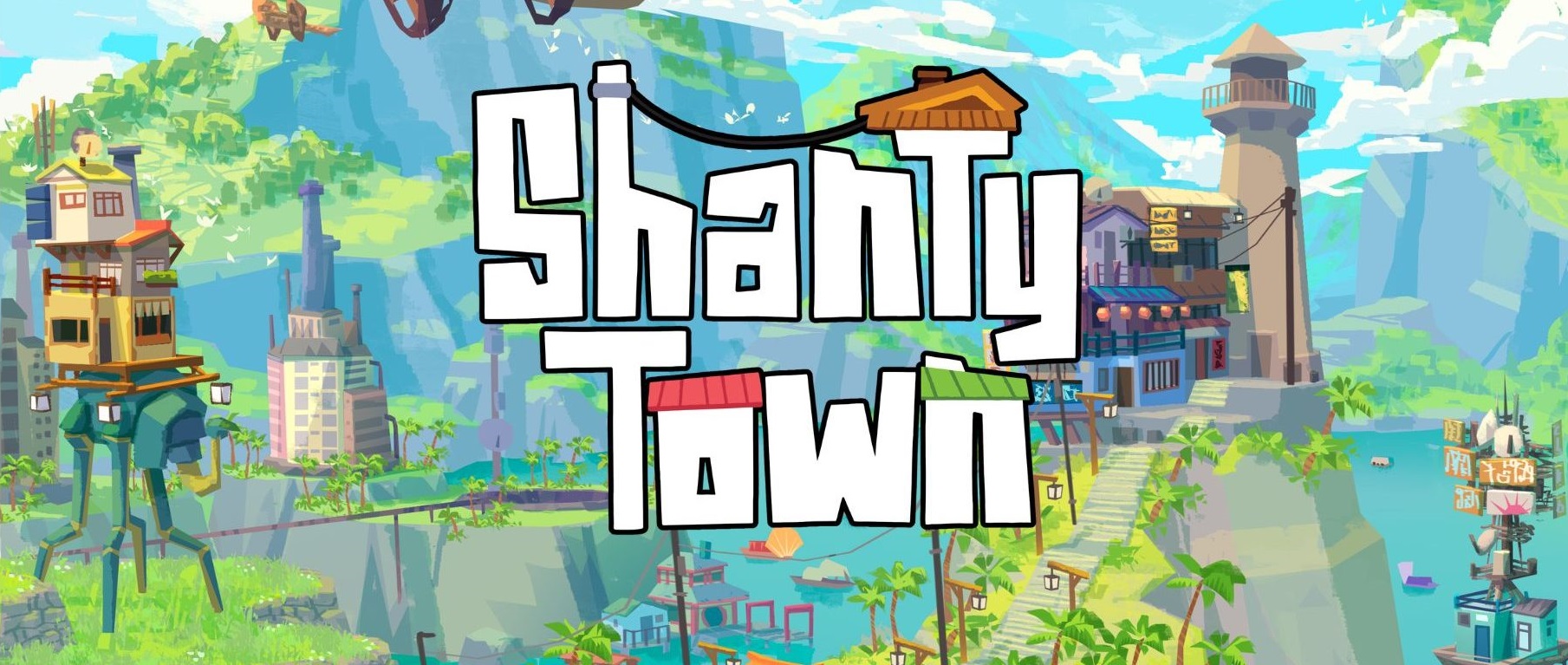
If you are looking for your next relaxing obsession, this Shanty Town game preview explores why this upcoming diorama builder is a must-watch for 2026. Developed by Erik Rempen, Shanty Town takes the ‘cozy’ genre to a new level of creative freedom.
| Game Title: | Shanty Town |
| Developer: | Erik Rempen / Silk Softworks |
| Publisher: | Kinephantom Games |
| Release Date: | 16th April 2026 |
| Platforms: | PC (Steam) |
While Shanty Town wasn’t developed as a traditional city-builder or a tycoon-style series, it offers a distinct charm of its own. For fans of urban design and spatial puzzles, Shanty Town offers a compelling take on the diorama builder genre.
This diorama builder was developed by a solo creator, Erik Rempen, at his studio, Silk Softworks. Erik collaborated with Kinephantom, a publisher known for supporting various indie developers. Gamesuki had the opportunity to dive into the playtest version, and we would like to thank them for providing us with a preview build of the full game through GamePress.
After spending approximately eight hours with the game on Steam, here is our preview of the diorama builder, Shanty Town.
What is Shanty Town?
The game’s lore is simple and stays true to the literal definition of a “shanty town”, dense, informal residential areas consisting of precarious and unofficial structures. These settlements are typically constructed from salvaged materials like scrap wood, corrugated iron, or plastic.
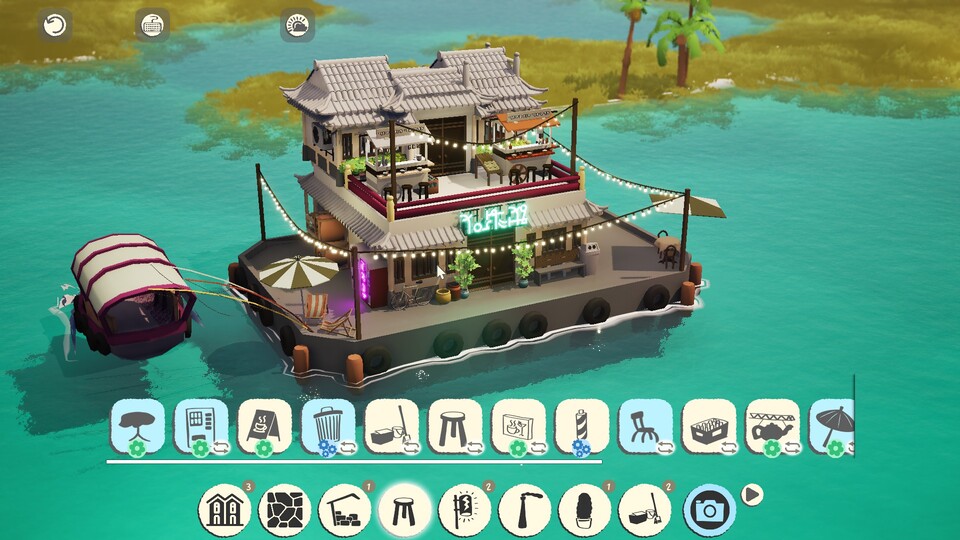
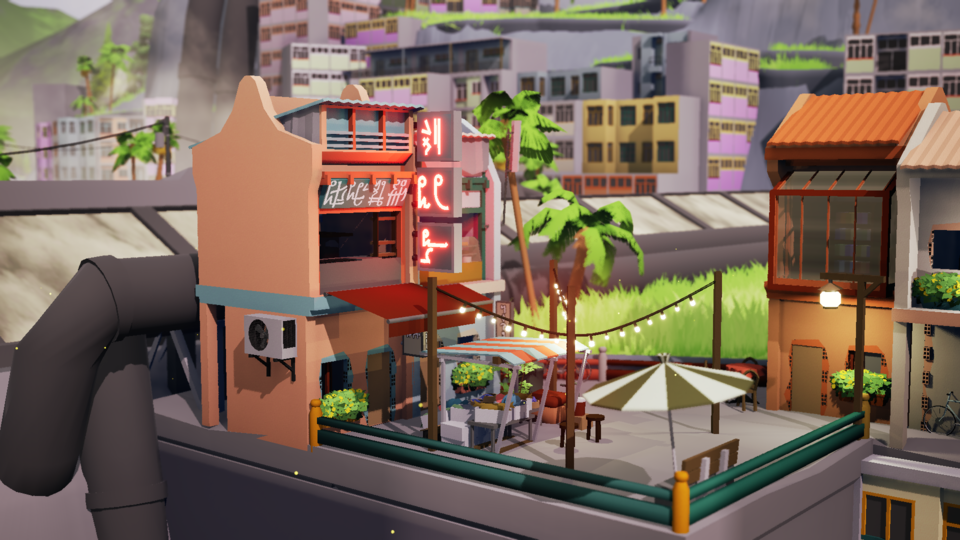
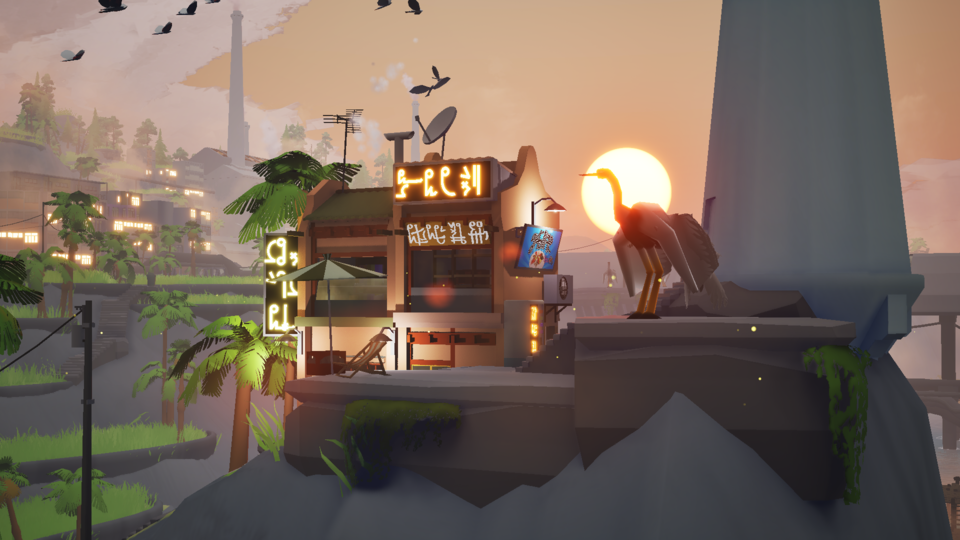
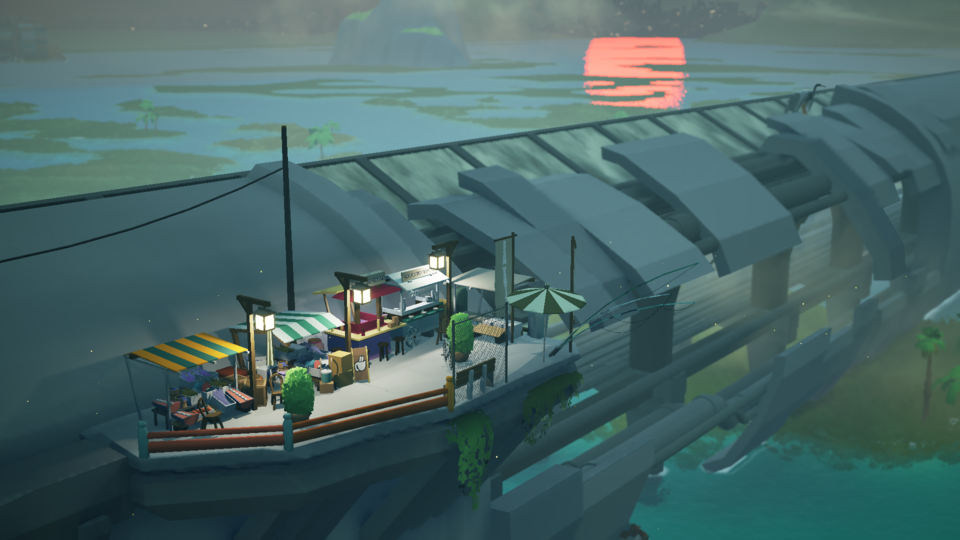
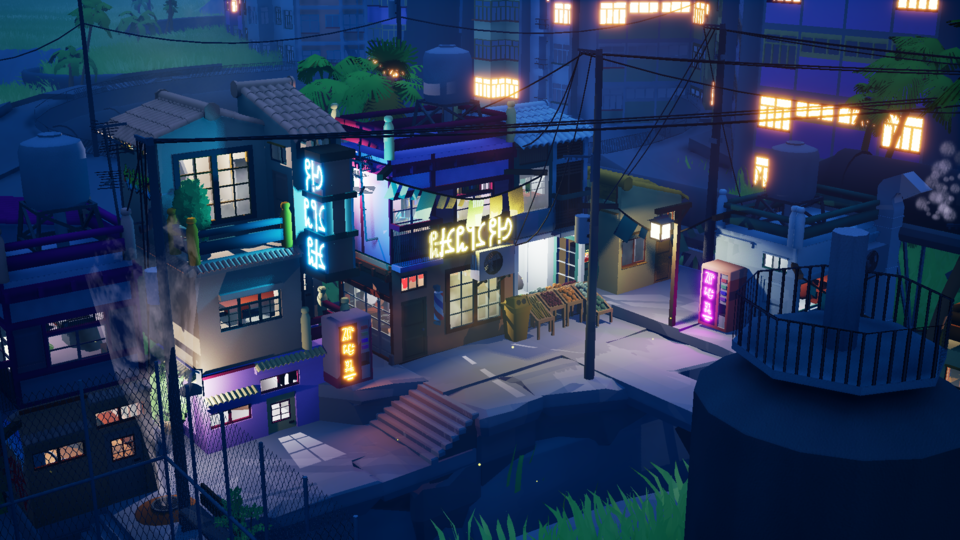
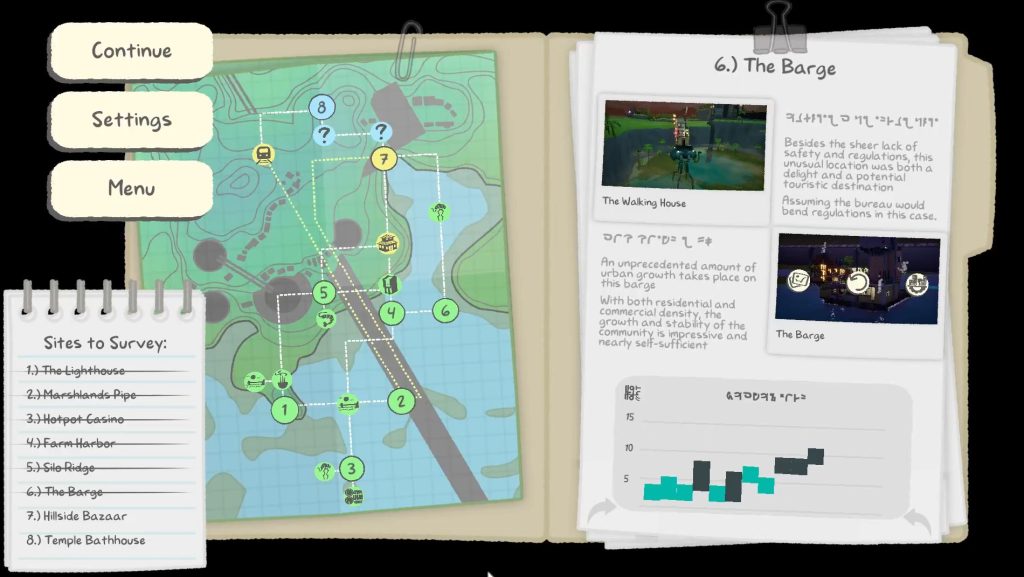
We play as Saffron, a Surveyor Scout tasked with investigating the Westmarsh region. We receive a set of instructions to survey illegal settlements developing in the floodlands. Our specific mission is to visit settlements across eight locations, document them through photography, and compile a comprehensive report in our dossier.
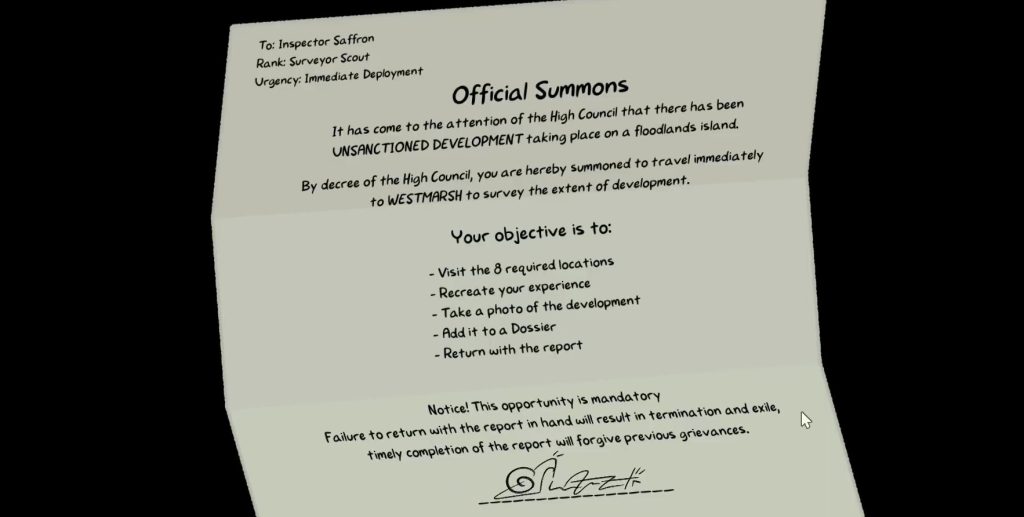
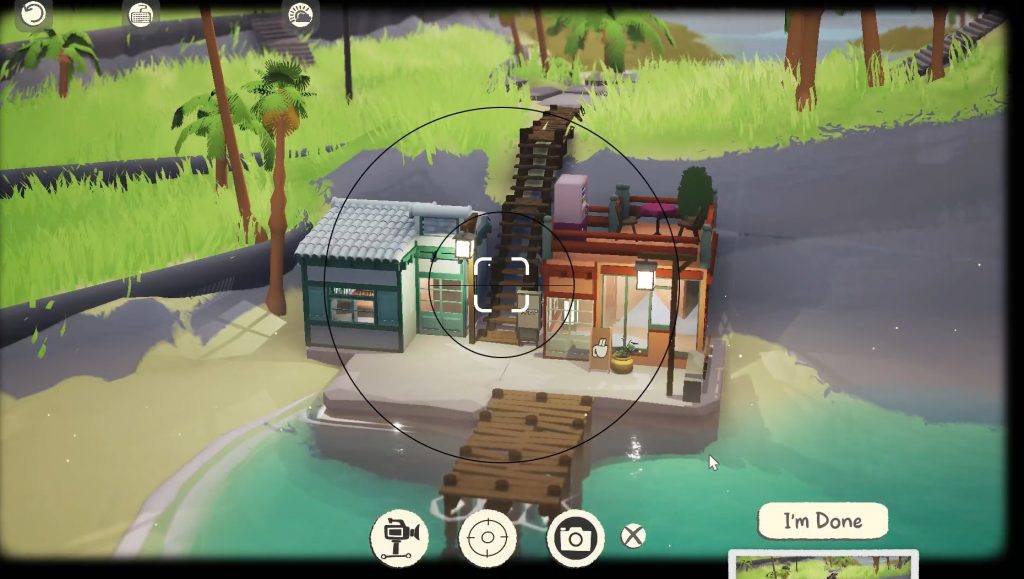
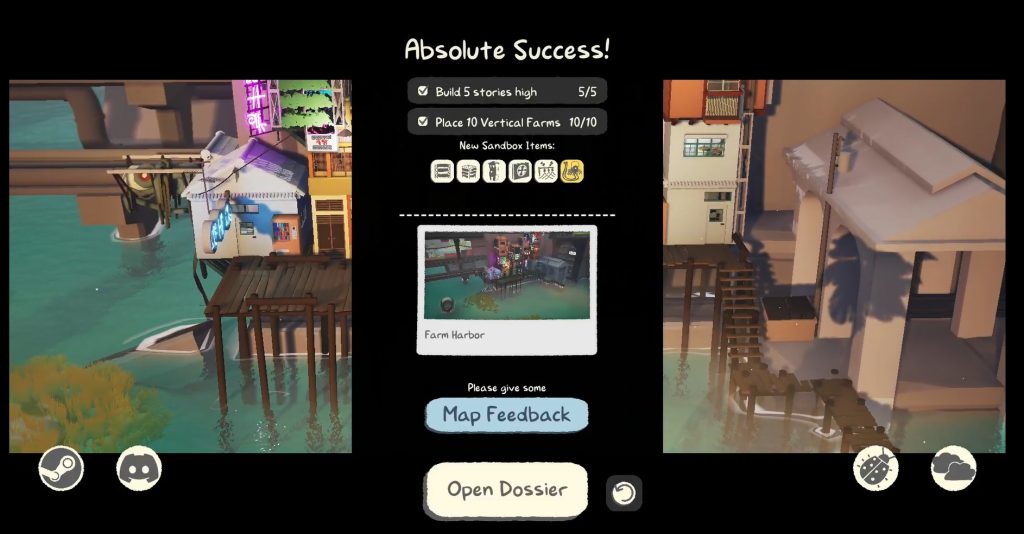
The core gameplay is straightforward: we design a settlement based on specific objectives provided by the game.
Unlike traditional city sims, Shanty Town focuses entirely on layout and aesthetics. We have the freedom to place buildings far apart, cluster them together, or even stack them at elevations that occasionally defy the laws of physics.
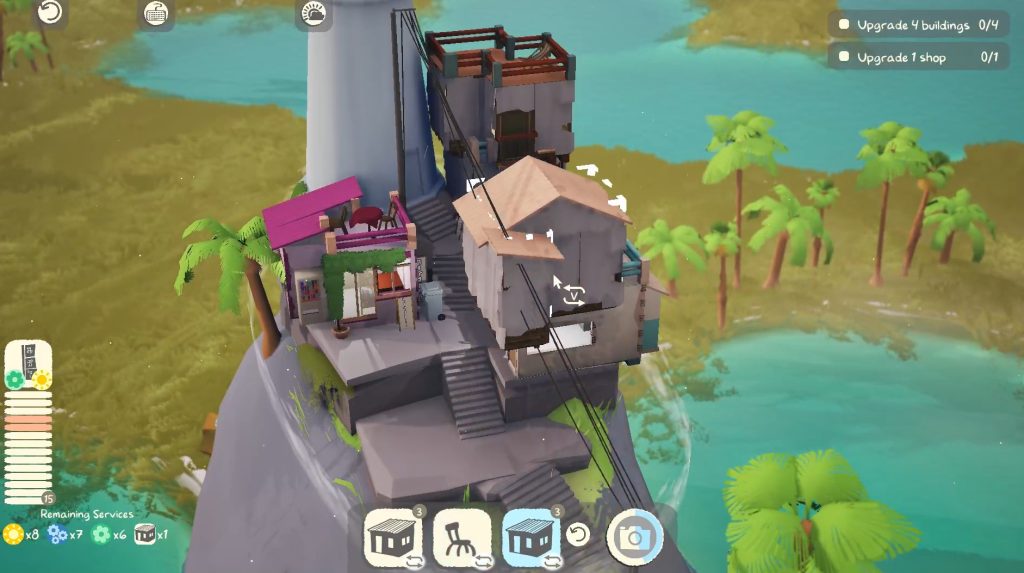
However, the game does not feature road management or population density mechanics.
It is truly designed for those of us who enjoy creating intricate scale models or architectural dioramas. Despite its cozy appearance, we may find ourselves resetting our entire design multiple times.
This is driven by two factors: the game’s specific objectives and our own sense of perfectionism.
Cozy, Yet Driven by Objectives
The first few stages might feel almost too relaxed, even for those unfamiliar with the genre. However, this perception changes quickly in later levels. As the available building platforms shrink, every placement decision becomes increasingly critical.
In each stage, we are given objectives, one of which often involves upgrading our buildings. Upgrades give our structures their “final” form, but they require specific Services to trigger.
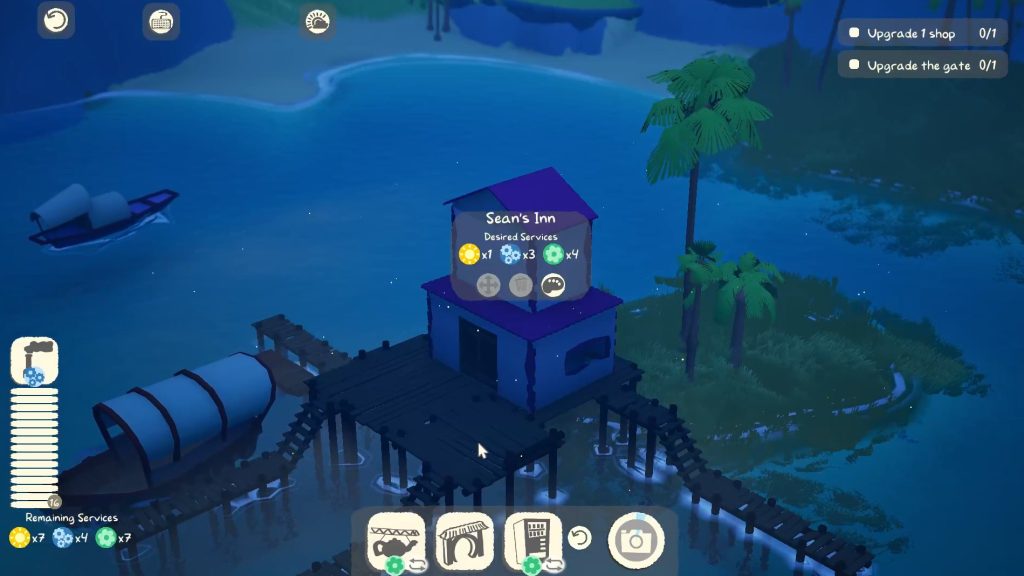
These desired services are categorized into three types: Light (Yellow), Utility (Blue), and Decor (Green).
For example, a Cafe might require 3 Lights, 2 Utilities, and 5 Decorations units to reach its upgraded state. This means we must strategically provide electricity (Yellow), aesthetic touches like signs or trees (Green), and utilities like AC units or drainage pipes (Blue)
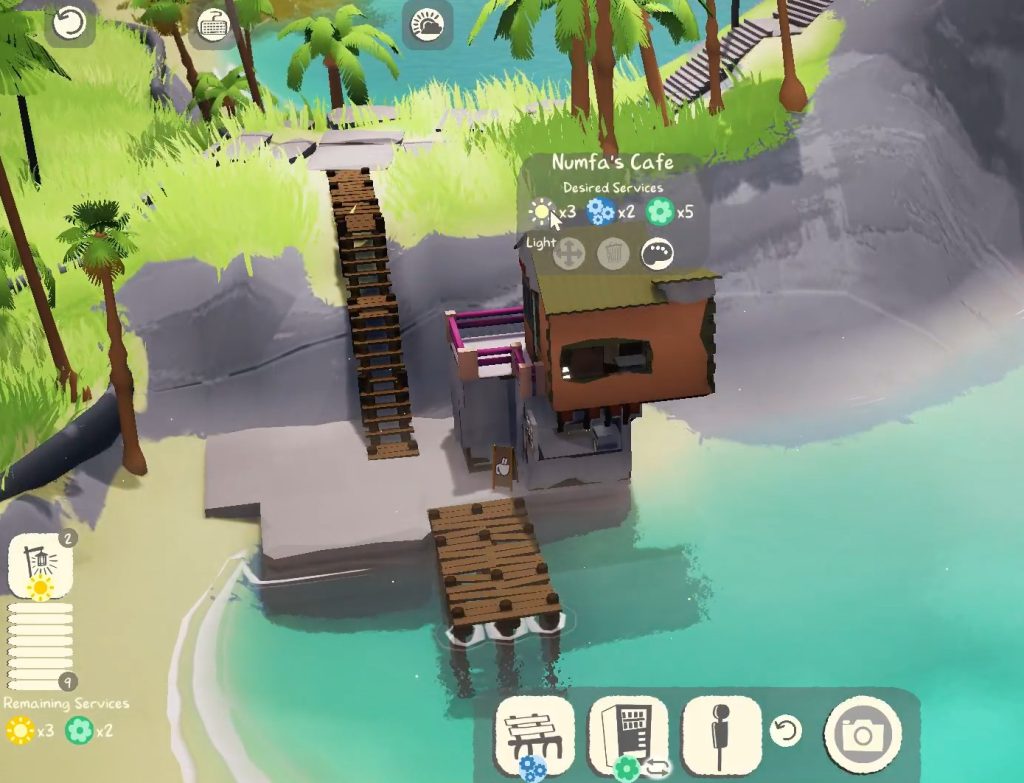
This is where the strategy gets tricky.
We cannot use these services at will; they appear in a fixed sequence.
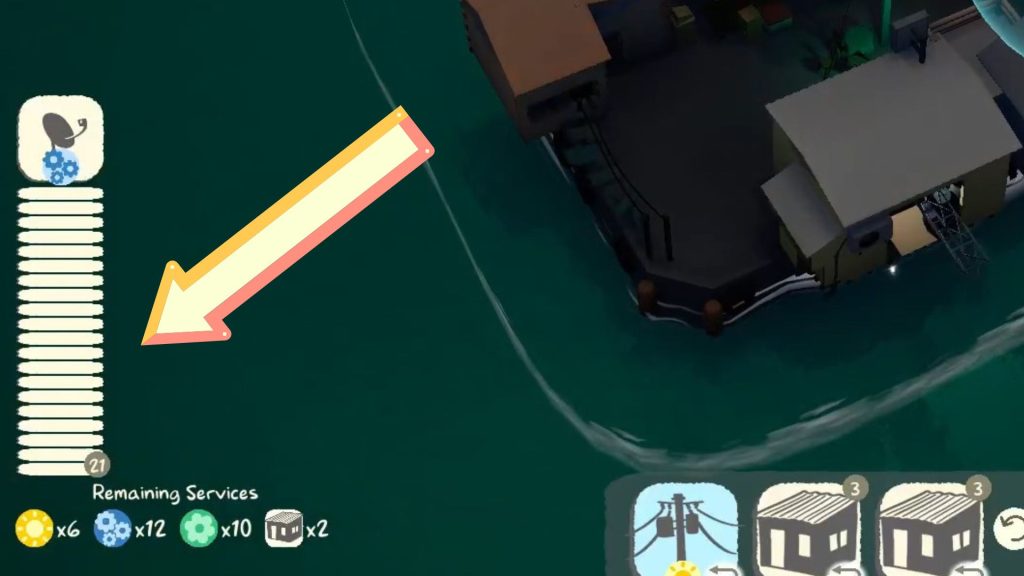
The fixed sequence is turn-based, similar to the turn order in Honkai: Star Rail. We must pay close attention to which buildings we place first and the order in which specific services become available.
The challenge is further compounded by the fact that we only have one undo and buildings cannot be moved once placed. While services can be repositioned, doing so won’t fulfill another building’s upgrade requirements.
The heart of Shanty Town lies in its core mechanic: placing or stacking buildings close enough to one another to share services.
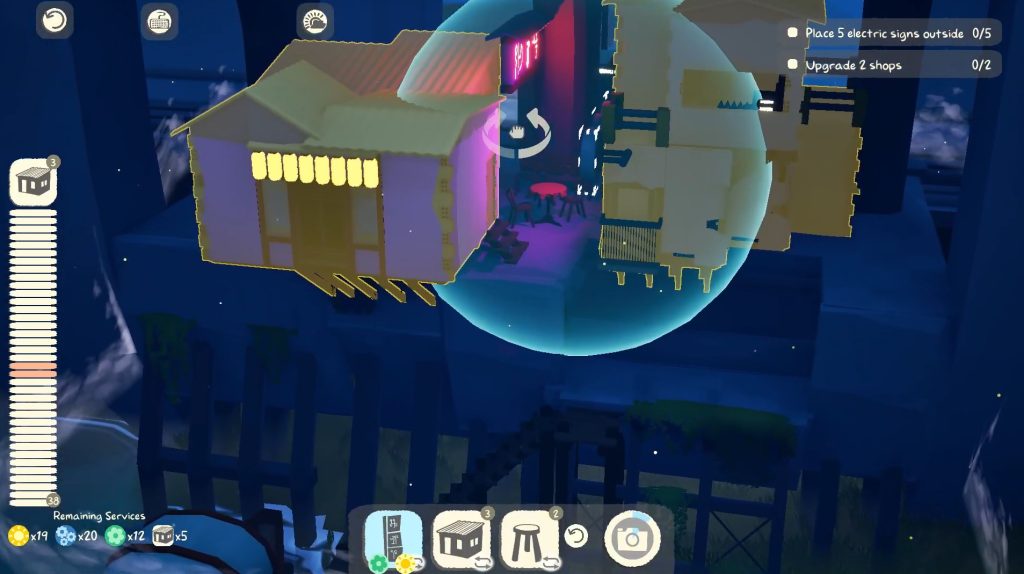
Since we often won’t have enough services to cover every building individually, strategic proximity is key.
This puzzle-like management of space and resources is why many players end up clearing their map to start fresh, either due to a mismanaged placement or the drive to complete every objective perfectly.
Ah, do not forget that we play this game with a soothing, atmospheric soundtrack in the background.
The Preview Verdict
Upon completing the objectives, we are asked to document our diorama and archive it in our dossier. This documentation ultimately determines the fate of the illegal settlement: will the government demolish it, or will it be recognized and preserved?
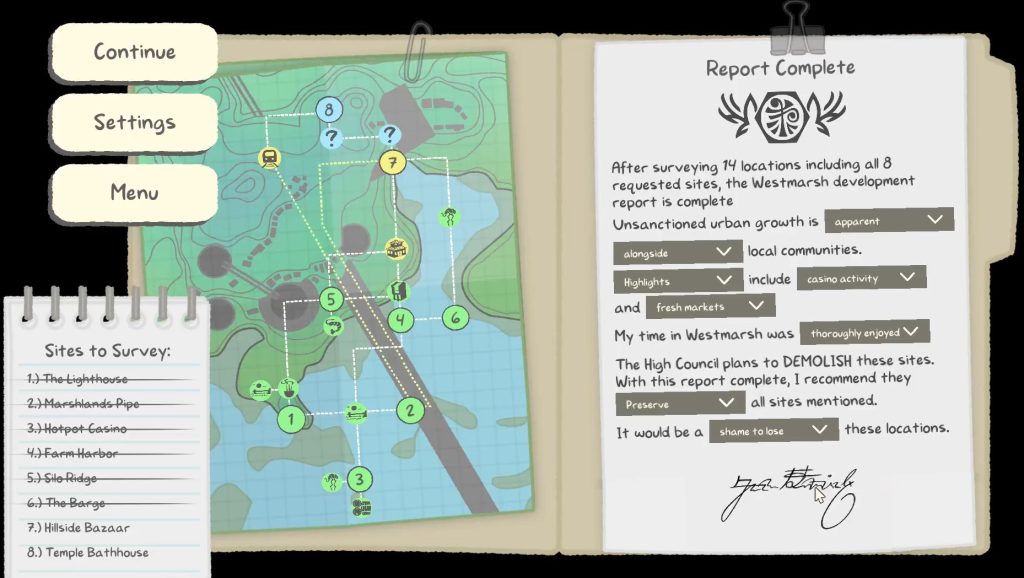
In our playthrough, we chose preservation.
As a result, Saffron builds his own home in the first stage, and the settlement is either preserved or further developed by the government.
This playtest only covered six of the eight available stages, and the full version will be released on 16th April, may offer even more features and narrative depth.
The developer, Erik Rempen, has built a stunningly detailed world, and it will be exciting to see how the final launch build adds those last layers of ‘life’, perhaps through more ambient movement or small surprises to make these dioramas feel truly lived-in.
It’d be great to see some ambient movement (not just that bird, haha) or small details that make these settlements feel like actual lived-in spaces, rather than just a collection of pretty snapshots sitting in a dossier.
Preview Summary: Shanty Town
- The Hook: A lo-fi, cozy diorama builder that trades traditional city-management stress for intricate, vertical puzzle-solving.
- Best Feature: The Strategic Proximity mechanic. Having to carefully sequence and “stack” buildings to share limited electricity and utility services adds a surprising layer of depth to the creative process.
- The Vibe: Relaxing but mentally engaging. It feels like building a highly detailed scale model with a lo-fi soundtrack as your backdrop.
- Room for Growth: The world can feel a bit static. Adding ambient animations like laundry blowing in the wind or subtle smoke from chimneys would help these “snapshots” feel more like lived-in spaces.
- Final Thought: Shanty Town is a must-watch for 2026 if you enjoy games like Townscaper but want a more structured, objective-based challenge.
Disclosure: We received a free review copy of this product from https://www.game.press
Note: This preview is based on a pre-release playtest build. The developer is actively refining the experience based on feedback ahead of the April 16th launch