
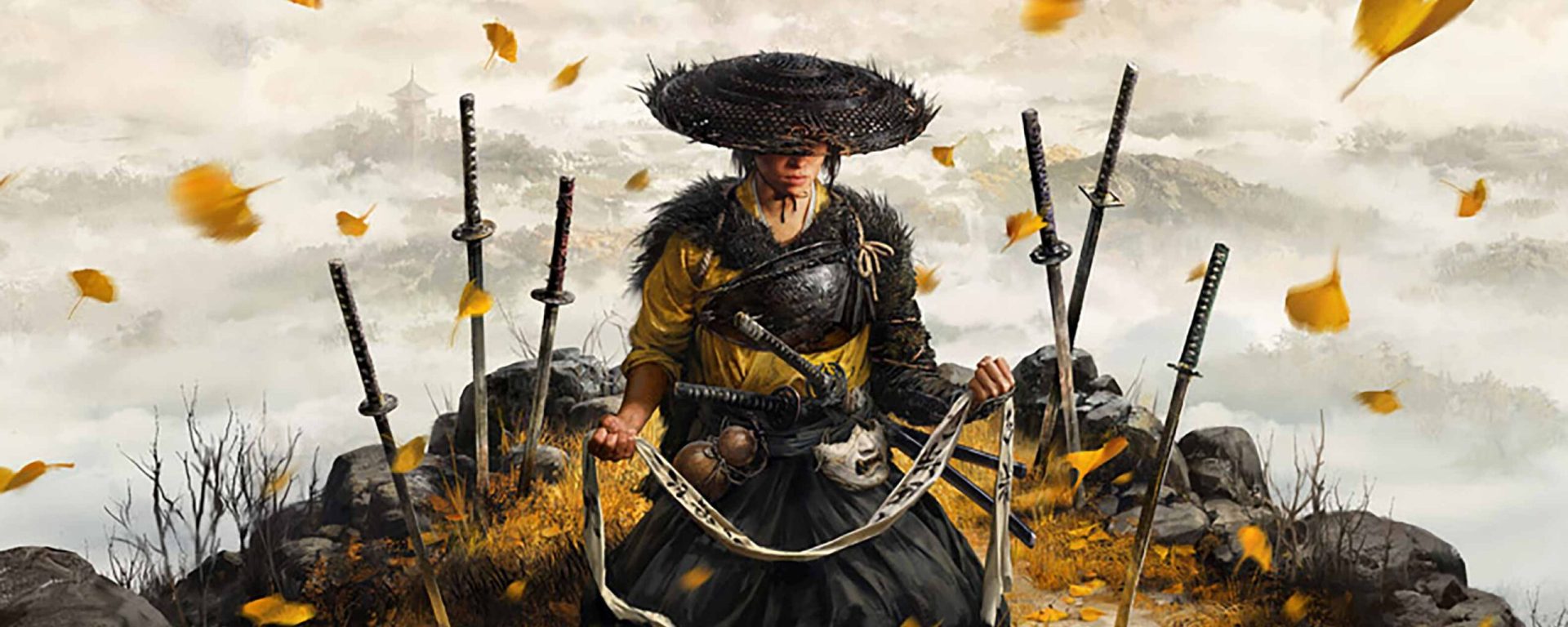
Forget everything we knew about Jin Sakai. Ghost of Yotei isn’t a direct sequel or a story of his descendants. Instead, we’re introduced to a brand-new protagonist: Atsu, a commoner whose family was brutally cut down by a notorious bandit group known as the Yotei Six.

Unlike Jin, Atsu wasn’t raised in the refined world of samurai ethics. This means her quest for vengeance is raw, unburdened by codes of honor. The narrative seems to lean into a straightforward tale of retribution, reminiscent of the “demon-slaying” theme seen in Demon Slayer: Kimetsu No Yaiba. Atsu’s journey will involve hunting down and eliminating each member of the Yotei Six, and thankfully, the quest system isn’t linear, giving players the freedom to decide their targets.
The game is set in 1603 Ezo (modern-day Hokkaido), roughly 300 years after the events of Ghost of Tsushima. This significant time jump positions Jin Sakai as a legendary figure, possibly appearing in side missions or mythic quests, adding a nice touch for long-time fans. The titular “Yotei” refers to a mountain range in Ezo, the stronghold of the formidable Yotei Six.
Combat Without Codes
Atsu’s lack of samurai training translates directly into her combat style. Gone are the elaborate katana stances of Jin Sakai. In their place, Atsu wields a diverse arsenal of weapons that can be swapped on the fly, depending on the enemy. We’re talking spears, dual blades, odachi, kusarigama, and even ranged options like bows, kunai, and yes, even firearms! It seems that Rise of the Ronin is not the only game incorporating a wider variety of historical weapons.
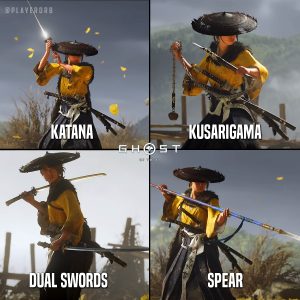
The new combat system revolves around a weapon advantage mechanic: certain weapons will be more effective against specific enemy weapon types. For example, dual blades might be your go-to against a spear-wielding foe. This promises a dynamic and strategic approach to every encounter, forcing players to adapt on the fly.
Exploration and World Design
If you loved the breathtaking landscapes of Ghost of Tsushima, you’re in luck. Ghost of Yotei largely retains the established open-world formula, maintaining that distinct Japanese aesthetic. Expect to traverse lush green fields, golden prairies, and iconic Japanese architecture, all accompanied by the signature melancholic strumming of the shamisen.
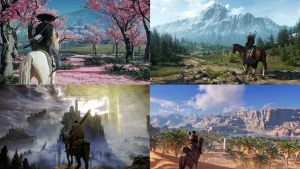
Exploration still encourages discovery, with map icons only revealing themselves as you venture into unexplored territories. Plus, some side missions will only unlock after completing others, adding depth to the world.
And of course, there will be an absent mini-map on the top. Wind as a guiding direction is still there.
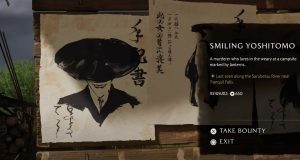
While maintaining its roots, Ghost of Yotei ups the ante with dynamic weather effects, featuring intense snowstorms, torrential rain, and even mesmerizing aurora displays, pushing the visual fidelity beyond its predecessor. The developers even hinted at inspiration from Elden Ring’s world design, suggesting a vast and interconnected world.
A Loyal Companion and Subtle Customization
Jin had his trusty steed, and Atsu gets a fierce new friend: wolves! That’s right, Atsu can now tame wolves to fight alongside you, even assisting in those dramatic one-shot quick-time event duels. This companion system adds a fresh layer to gameplay and immersion.
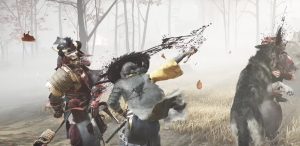
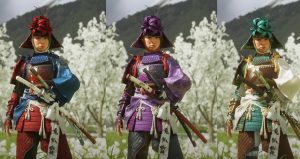
When it comes to customization, don’t expect a deep RPG experience. Much like Ghost of Tsushima, Ghost of Yotei focuses on visual customization through gear and color palettes. While weapon tempering was shown, don’t anticipate extensive RPG-like progression. This game is clearly designed for action and exploration, not complex character builds.
Artistic Flair
Sucker Punch is bringing some truly unique visual modes to the table, paying homage to Japanese cinema:
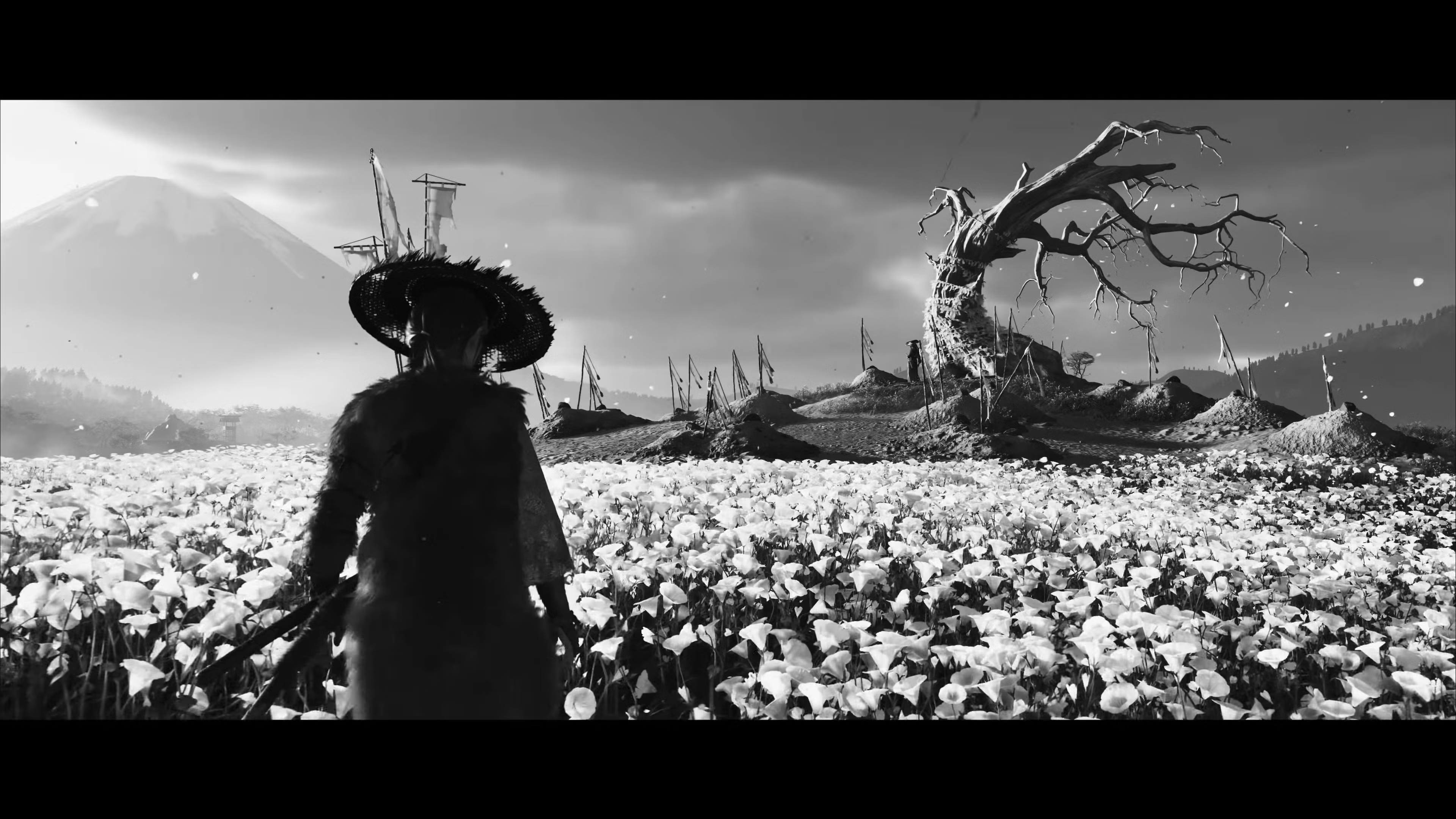
- Kurosawa Mode: Immerse yourself in a gritty, black-and-white, grainy visual style reminiscent of classic samurai films. This mode also amplifies wind effects for an even more atmospheric experience, drawing comparisons to games like Trek to Yomi.
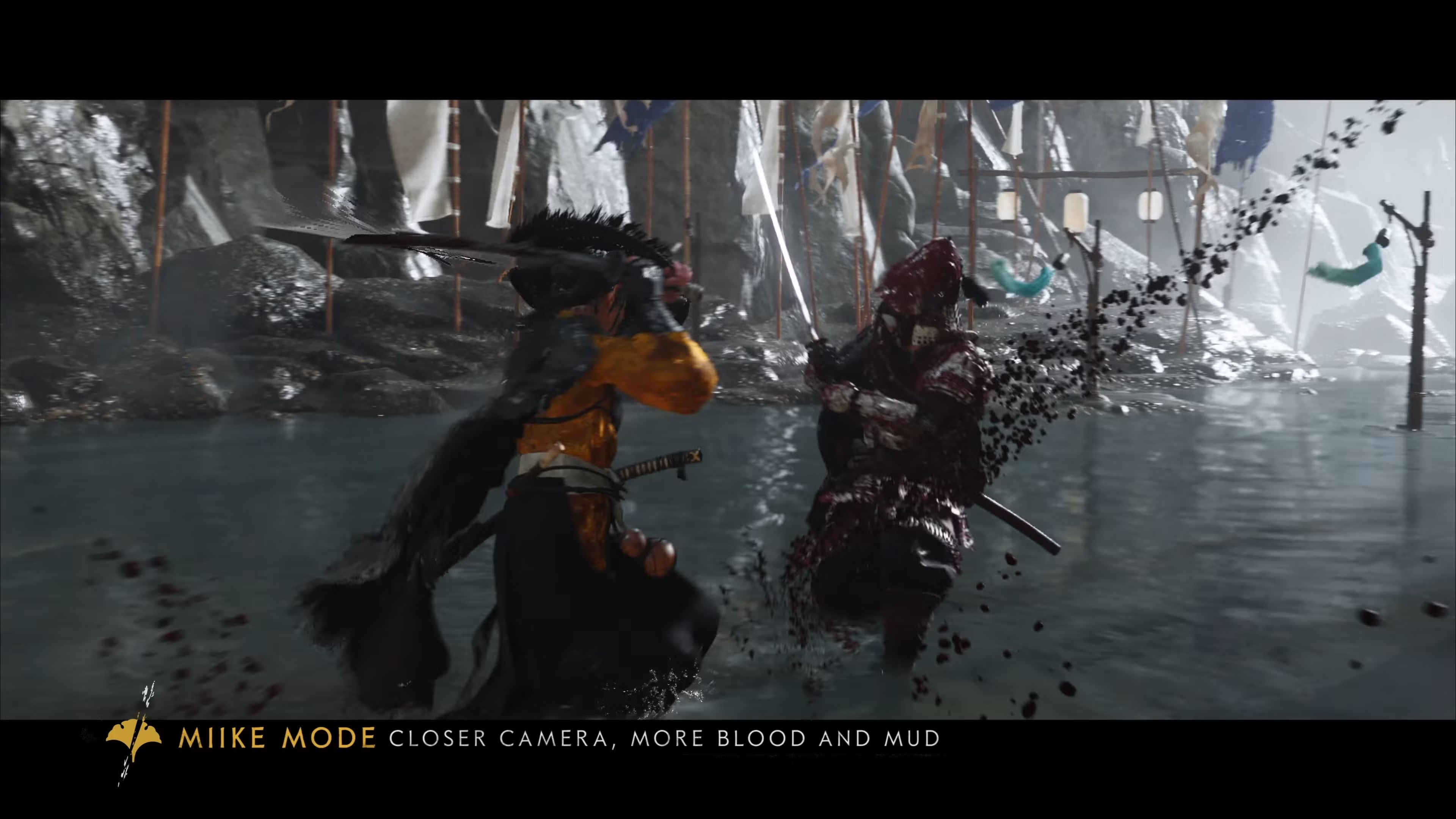
- Miike Mode: For those who crave visceral combat, this mode amps up the gore, ensuring every slice and dice is gloriously detailed.
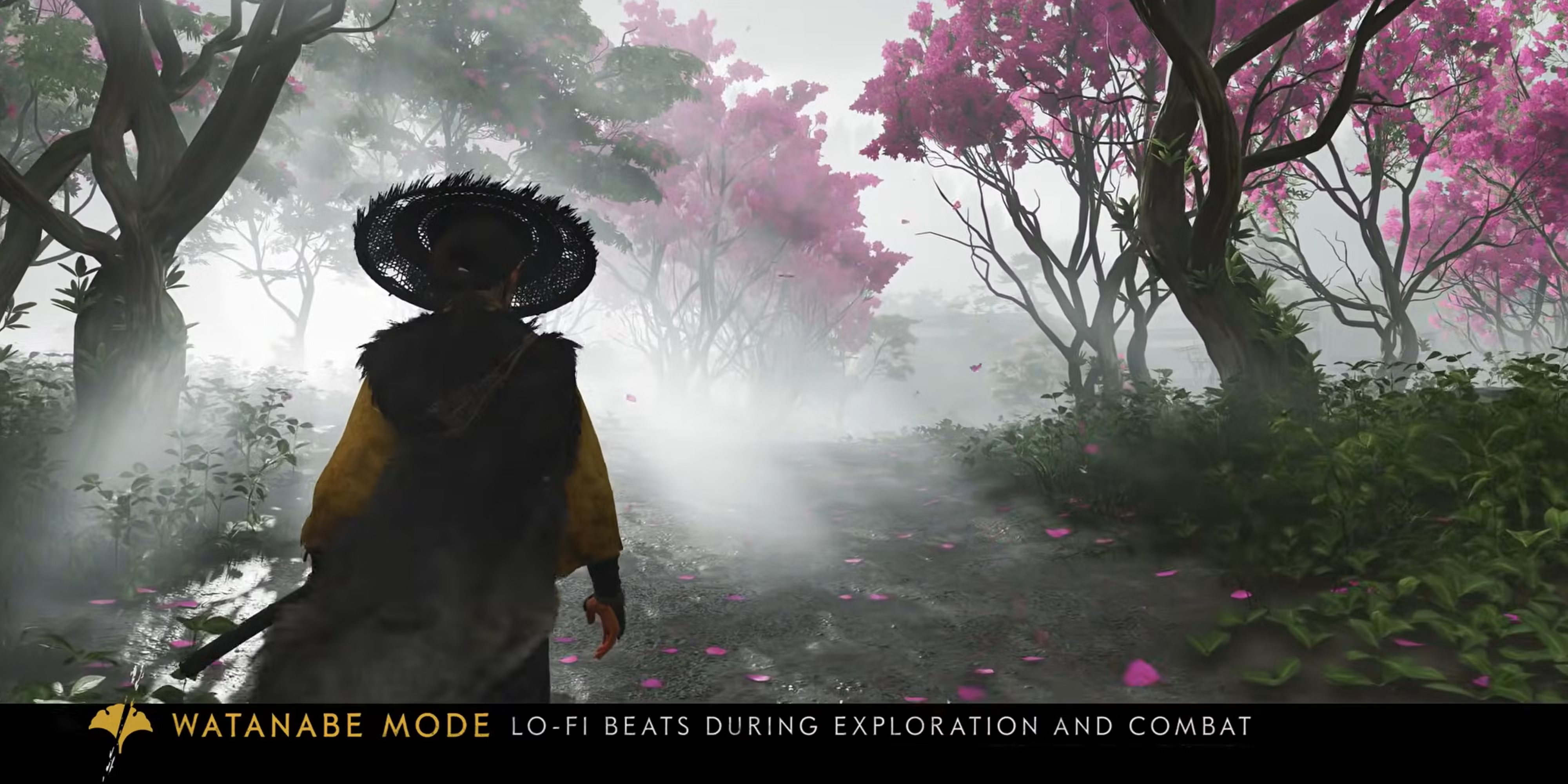
- Watanabe Mode: For a more relaxed exploration, this mode switches the background music to Lo-Fi beats, creating a chill vibe perfect for wandering the vast landscapes of Ezo.
So, what do you think? Is Ghost of Yotei a day-one purchase for you?