
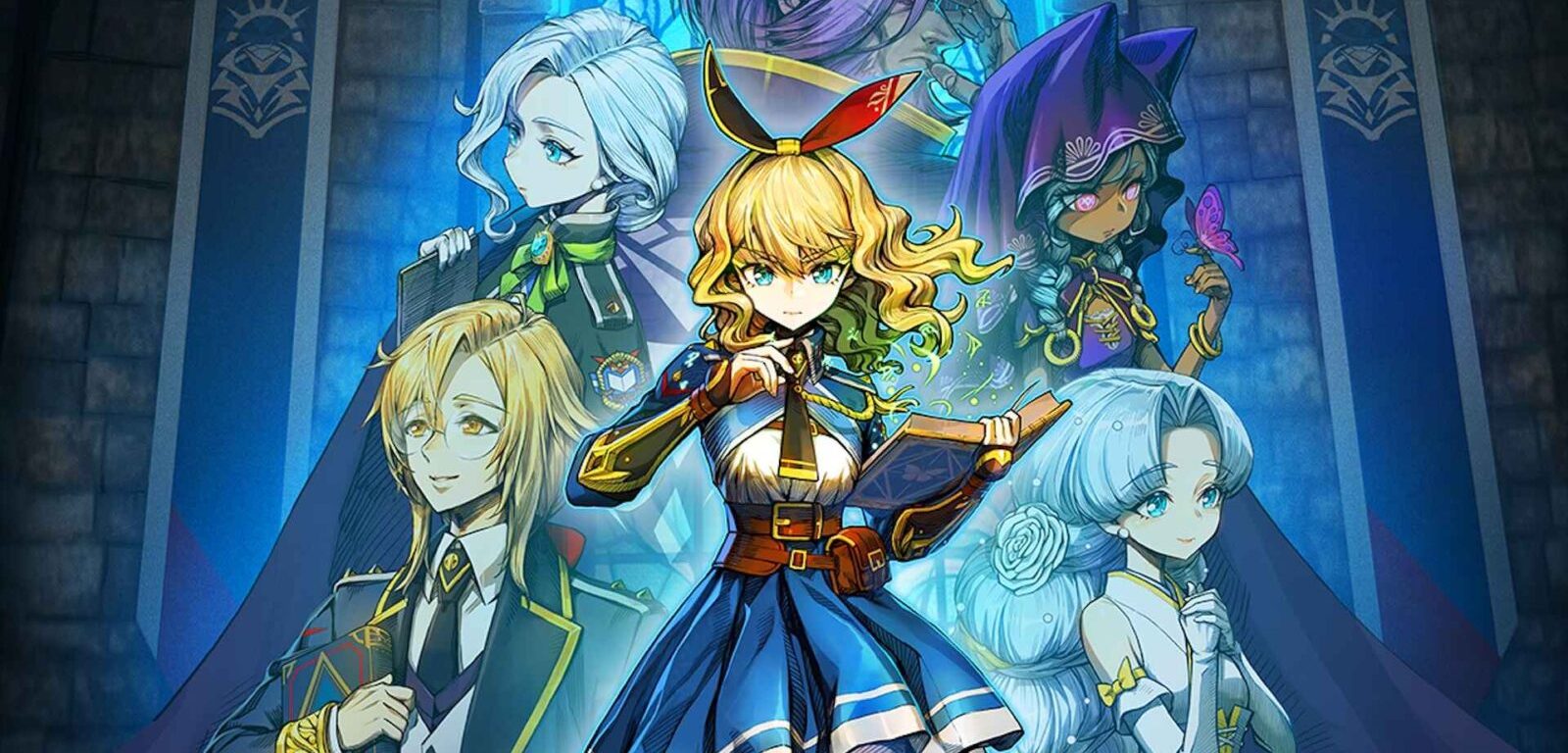
Welcome to our comprehensive Ariana and the Elder Codex review. Will this new release become a true hidden gem for action RPG fans, or is it just a blatant blame? That is the fundamental question we’ll be answering today.
| Game Title: | Ariana and the Elder Codex |
| Developer: | Compile Heart & HYDE, Inc. |
| Publisher: | Idea Factory |
| Release Date: | 24th March 2026 |
| Platforms: | PlayStation 4 / PlayStation 5 / Switch / PC |
Well, 2D side-scrolling action is a tough genre to break into. The massive shadow of Metroidvania titans always looms large, serving as an inevitable benchmark for players. However, the developer, Idea Factory, certainly didn’t come unprepared. They’ve teamed up with Hyde Inc., the main brains behind the success of Digimon World: Next Order and the Ys series.
Naturally, we expect a fresh, challenging layer of complexity as Ariana journeys to piece back together seven shattered magical codices.
Here is our review of Ariana and the Elder Codex, played on the PlayStation 5.
Story Premise & World Progression: Engaging in the Hub, Bland Inside the Books
In this game, you step into the shoes of Ariana, a nimble Magical Librarian who stands as the world’s sole hope. The central conflict kicks off when a mysterious villain defaces the Seven Hero Codices—seven ancient magical books that serve as the elemental “batteries” maintaining the world’s stability. As a result, magic vanishes from the realm, yet Ariana inexplicably retains her powers. To set things right, Ariana must dive straight into the dimensional pages of each book and restore their narratives firsthand using a magic quill.
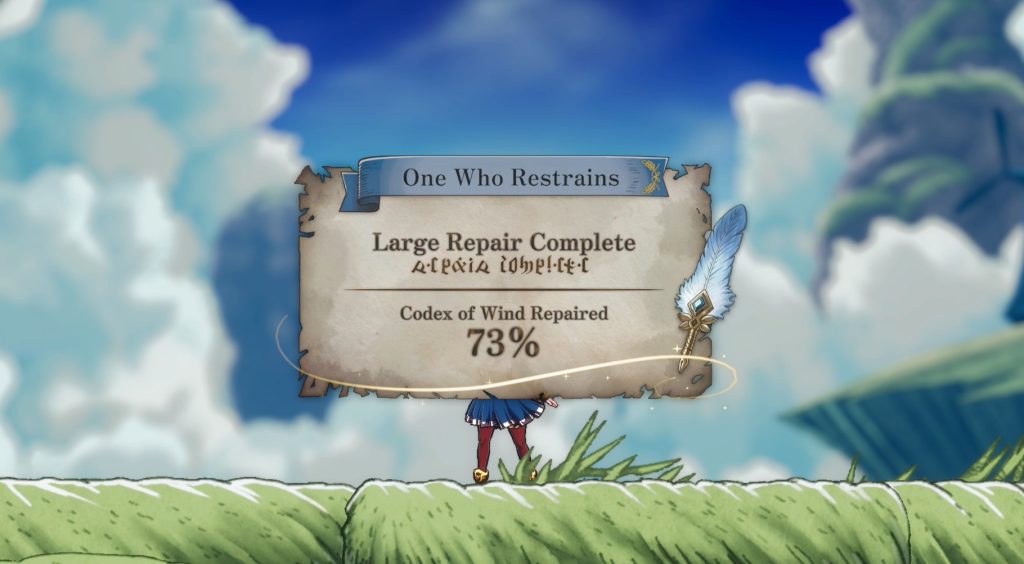
The core concept is introduced with grand stakes, echoing a “Quest for the Ring” style scenario from The Lord of the Rings. Each Codex represents its own world with a distinct aesthetic and narrative foundation.
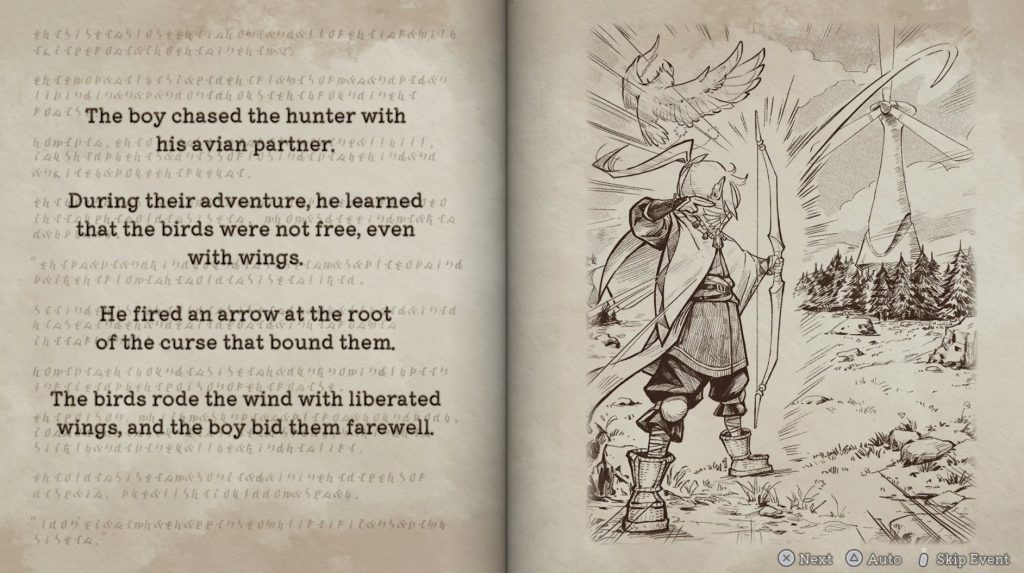
Take the Wind Codex, for example, which revolves around the theme of freedom. It tells the story of a hunter and his pet dove. The dove follows the hunter everywhere without being tied down, but the hunter begins to feel that this devotion itself restricts the dove’s true freedom. Ultimately, the hunter coaxes the dove to fly away and live by its own will, rather than just tailing him. In the corrupted version of the story, Ariana must repair the codex by battling this very dove, which has morphed into a corrupted Garuda.
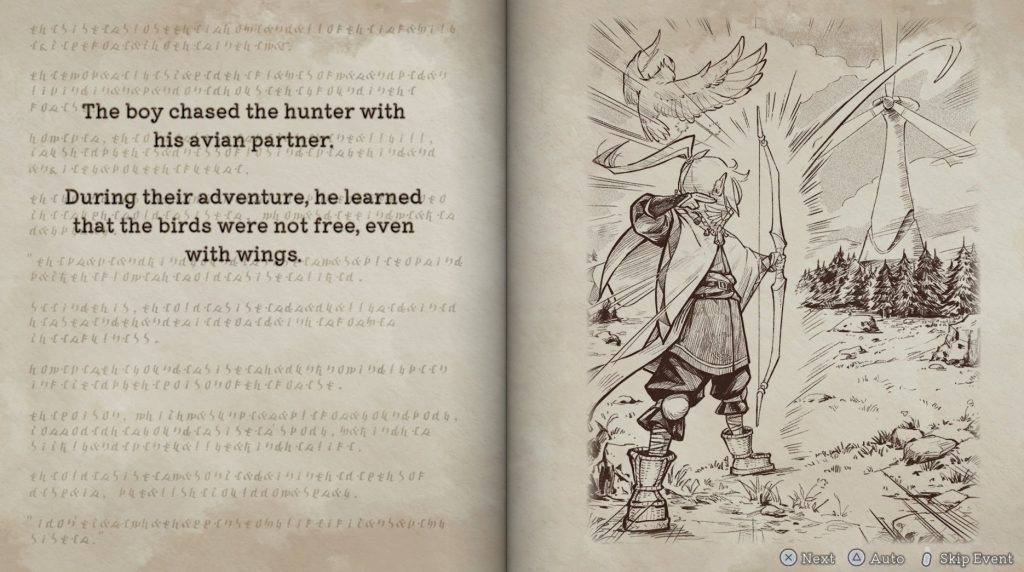
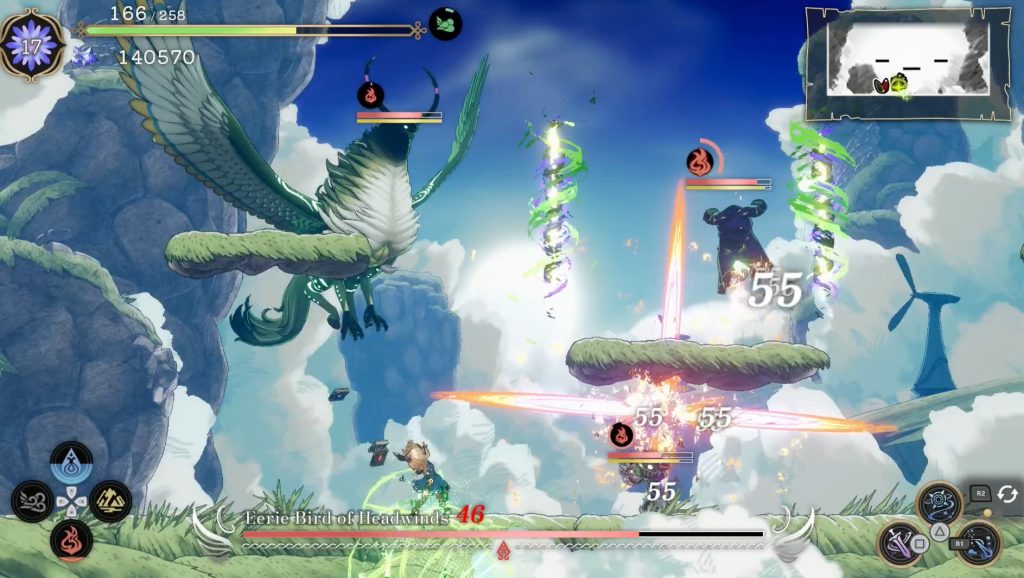
The same formula applies to three other books: the Earth, Water, and Fire Codices. Now, the final three codices only unlock once you’ve successfully repaired the four core elemental ones. Since the major story spoilers lie in those final three, we’ll restrict our discussion to the initial four elemental codices.
Unfortunately, the execution of these fable-like stories inside the books feels rather bland, presented as simple, presentation-slide-like cutscenes with rigid dialogue. Fortunately, the mystery and conspiracy brewing back at the Library (which serves as your Home Base) is far more engaging, especially as you uncover Ariana’s past and the mysterious disappearance of her parents.
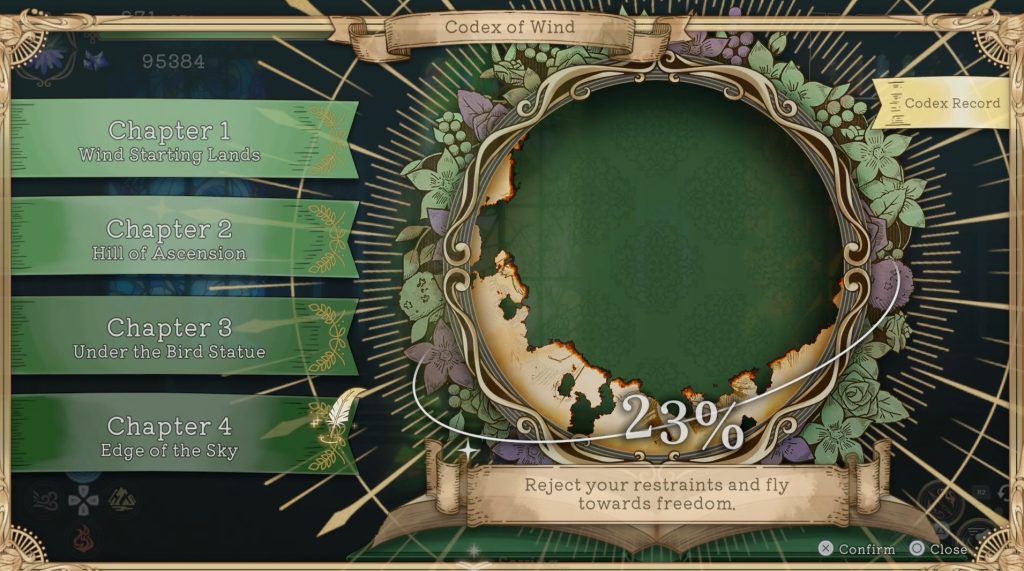
Interestingly, the game doesn’t force a linear path on you. After clearing the Water Codex, which functions as the tutorial level, the game’s progression opens up completely in classic Mega Man fashion. You are given total freedom to choose which elemental book you want to tackle next.
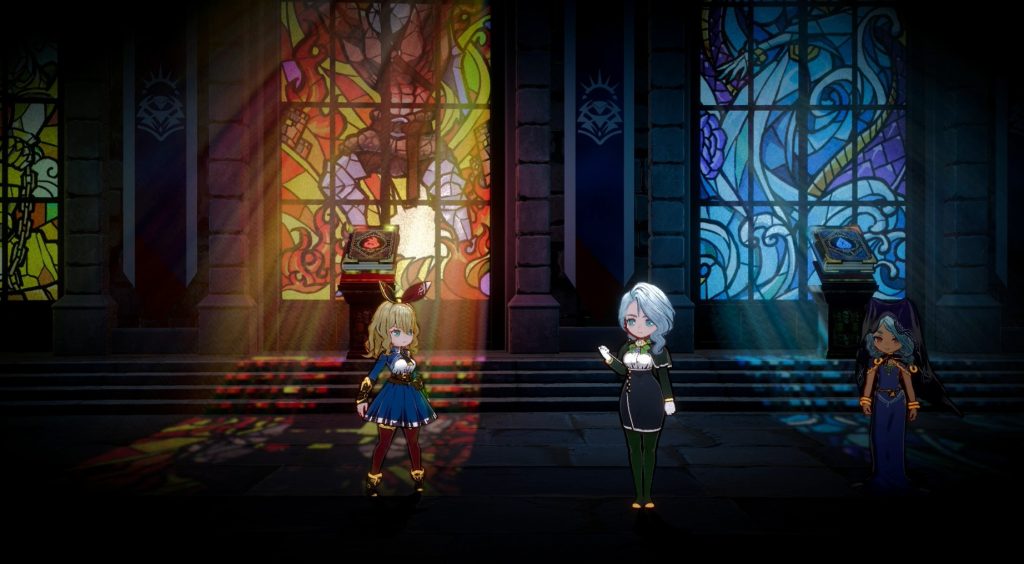
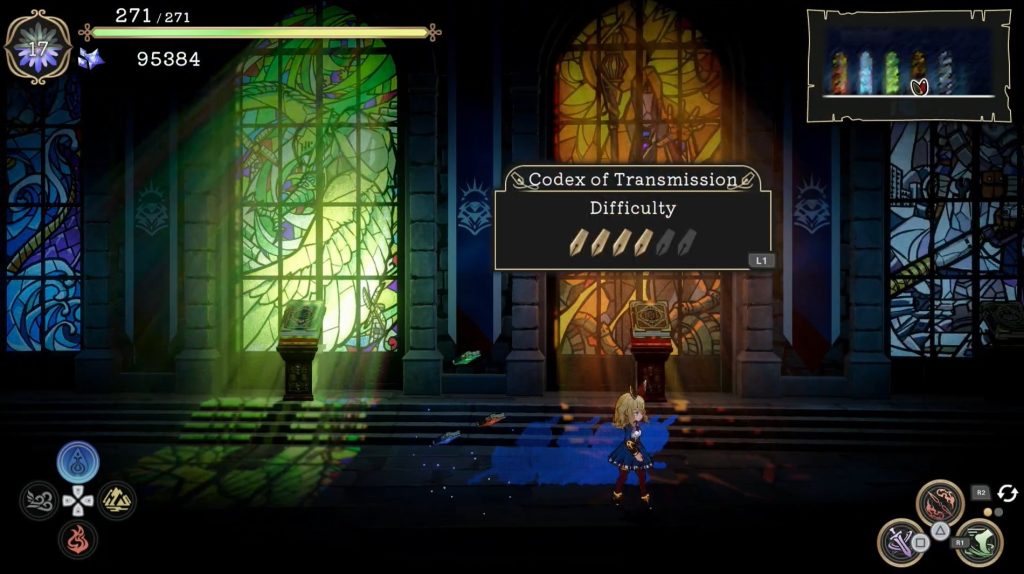
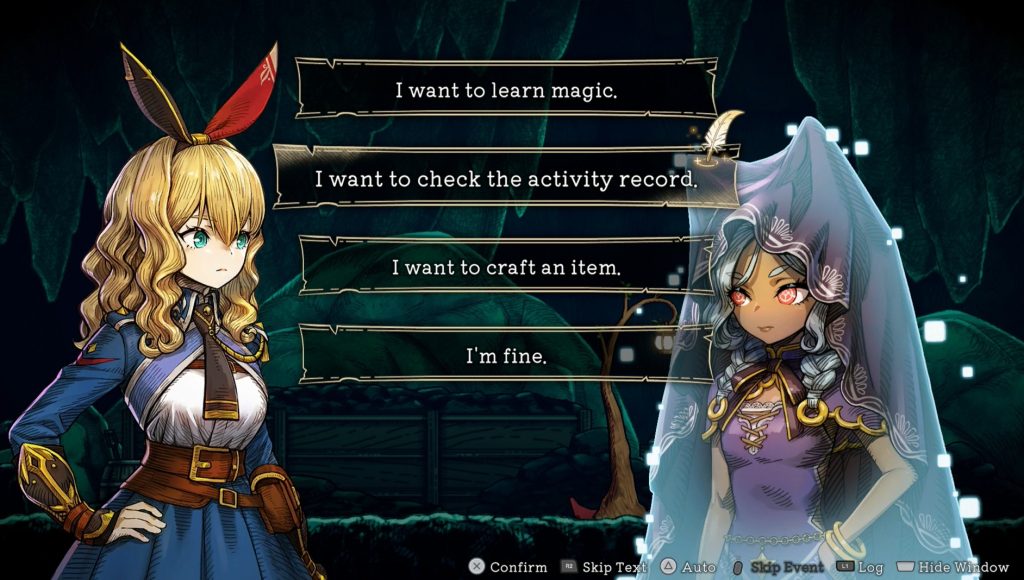
Throughout the library hub, we can interact with NPCs like Vesta (a support automaton), who offers crafting services for new outfits and weapons using gems, or Davina, who assists with researching new spells. Chatting with them isn’t just flavor text; the more you interact, the more deep lore secrets you unlock, and you can even be rewarded with crucial accessories that significantly turn the tide of battle.
Gameplay: Looks Fast-Paced, but It’s Old-School
On the gameplay front, Ariana tries to stand out by combining fast-paced side-scrolling action with traditional RPG elements. You aren’t just relying on thumb reflexes; you also need to think about EXP grinding, leveling up your stats, and hoarding materials for crafting.
But trust me, while it looks daunting at first glance, the reality is quite the opposite. Personally, we aren’t big fans of locking basic movement mechanics behind game progression. Yes, at the start, you won’t have access to a double jump, air dash, or a ground stomp to break floors. All of these fundamental side-scrolling and platforming movements only unlock after you’ve repaired three of the initial codices. This means you’ll have to tackle two whole codices completely devoid of an air dash or a double jump.
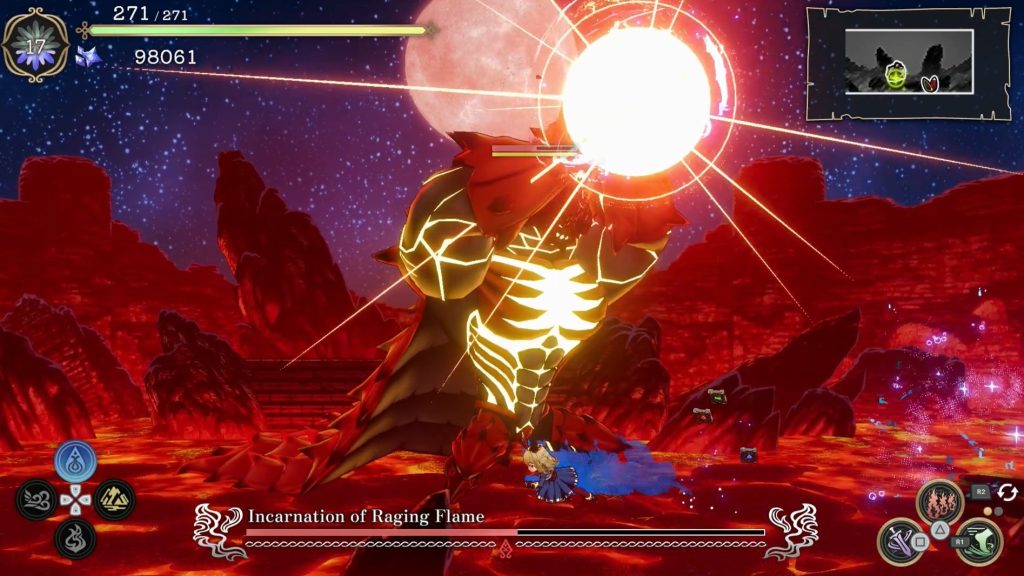
After wrapping up the Water Codex tutorial, we immediately jumped into the Wind Codex. And honestly? It instantly felt like playing Hollow Knight. Garuda is easily the most annoying boss. This monster floats in the air 90% of the time and spams AOE attacks non-stop. Without an air dash and double jump, fighting this boss turns into hours of tedious air-based hit-and-run chipping, all while desperately trying not to get obliterated by its spammed AOE projectiles.
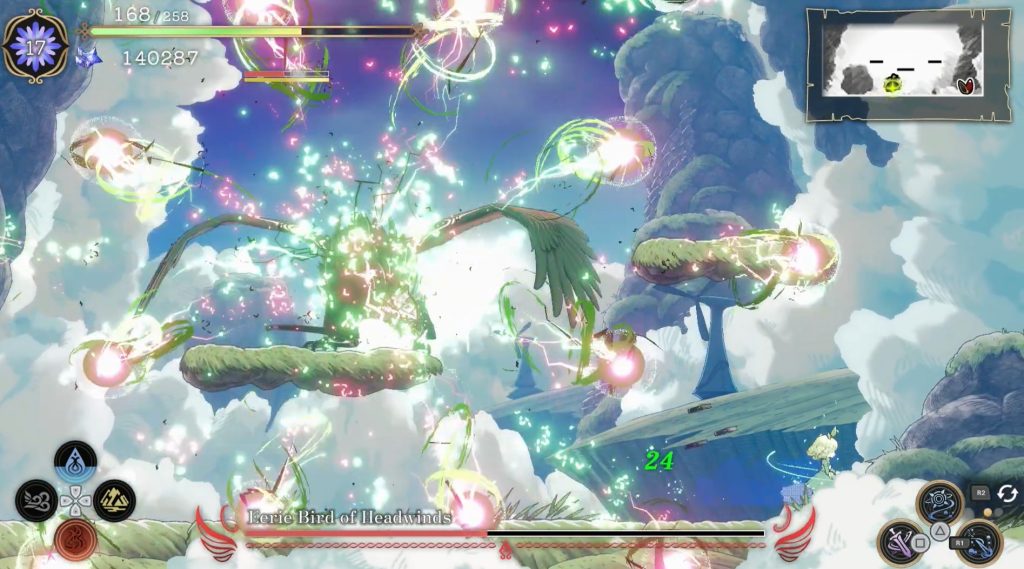
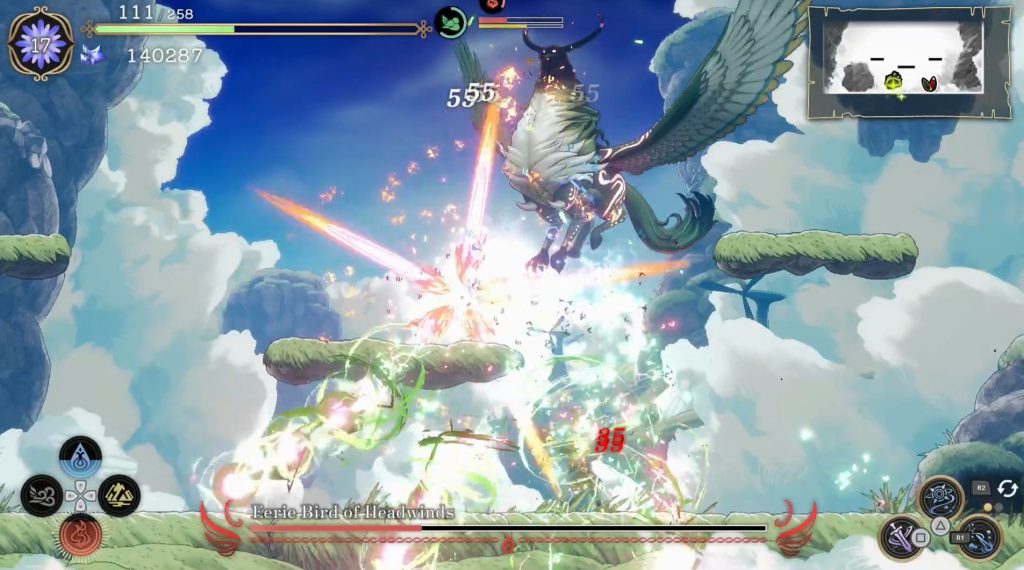
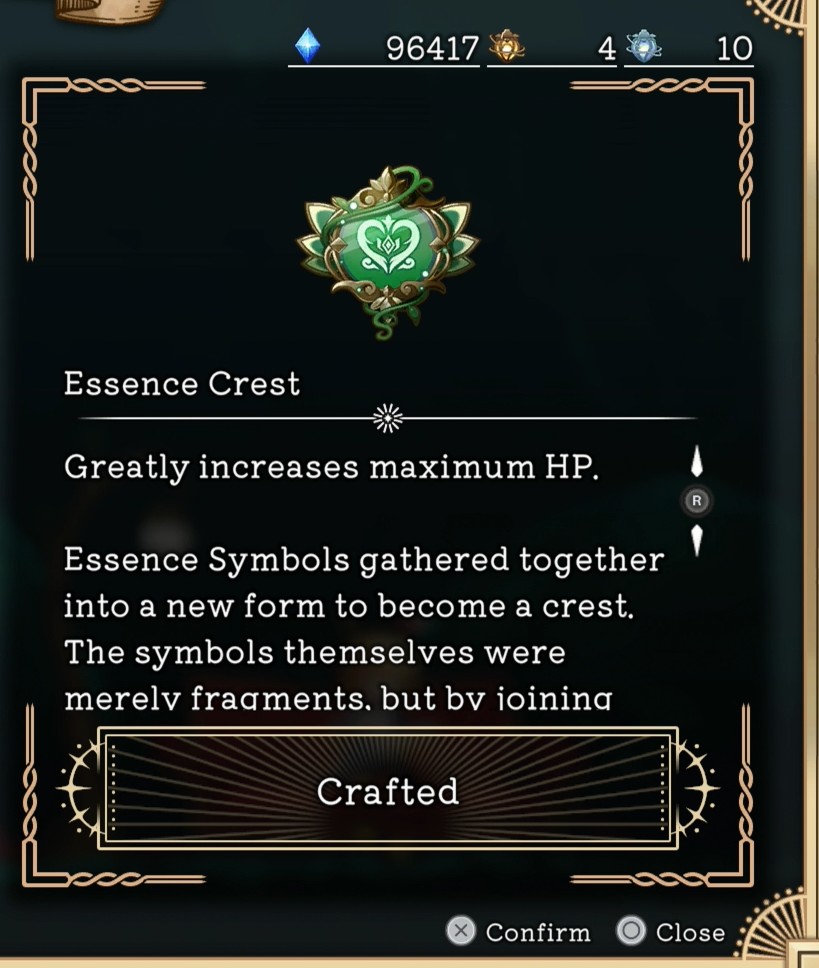
If you find yourself hitting a wall (though you really shouldn’t), you can simply hop over to another codex to farm materials and craft magic spells or items. You can also craft crests that offer passive buffs just by sitting in your inventory, like crests that boost your max HP or attack stats. If your damage output feels lacking, you’ll want to dump your strong magic remnants into crafting combat crests until they’re maxed out.
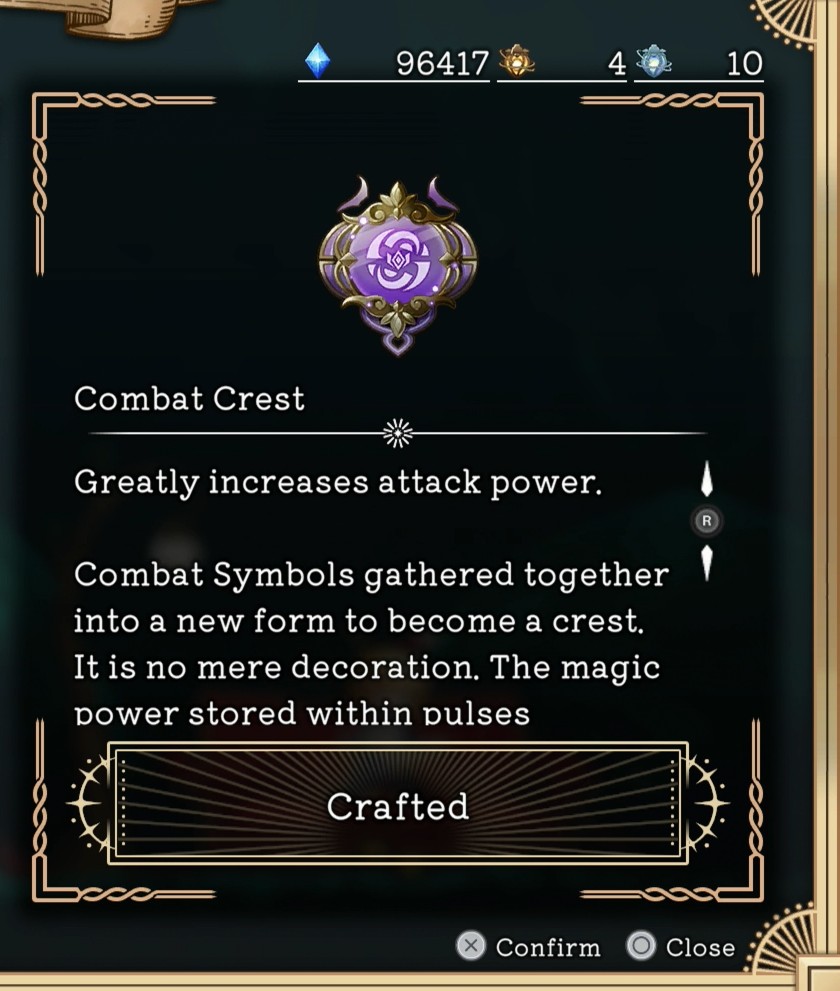
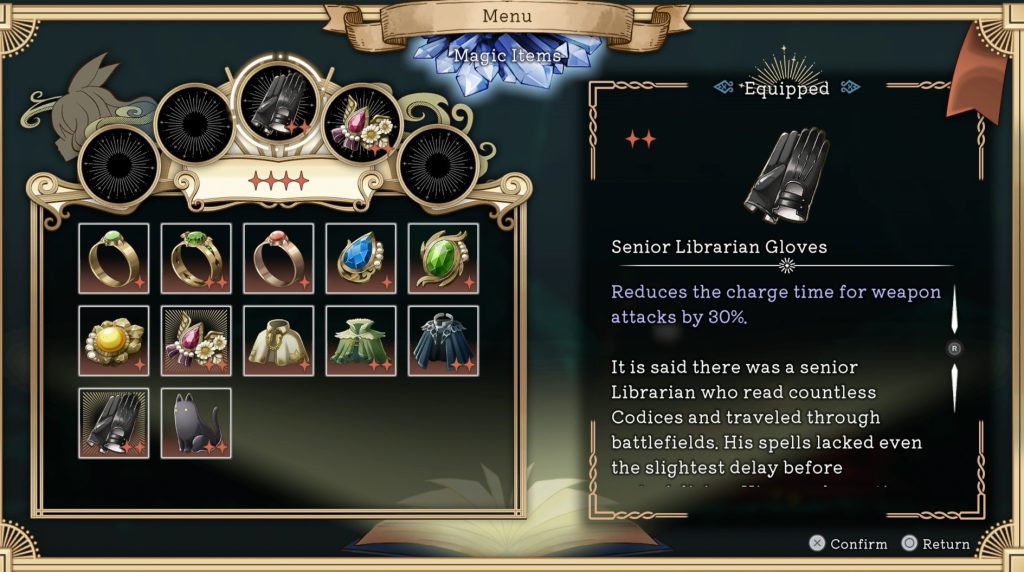
For equipment, the game utilizes a fairly challenging stat-allocation point system. Points are scarce in the early game, but as you repair more Codices, your point capacity expands, allowing you to deck Ariana out in high-tier gear.
The combat rhythm is relatively fast, simple, but quite punishing.
Indeed, this game is packed with environmental hazards, and movement blunders are usually the main reason players struggle. On top of environmental damage, the game features infinite mob respawns. Meaning, every time you switch scenes or map nodes, the monsters you just wiped out will respawn. Consequently, if Ariana dies and gets sent back to a checkpoint, you’ll have to trudge through waves of enemies and environmental obstacles all over again just to reach where you were.
Ariana can map up to six abilities/spells simultaneously via button combinations, each tied to its own cooldown management. Since dodging the relentless barrage of AOE attacks and homing missiles from all directions is incredibly difficult, healing skills are an absolute must. The Water and Neutral Codices each offer a healing skill, meaning you can bring one or double down and equip both.
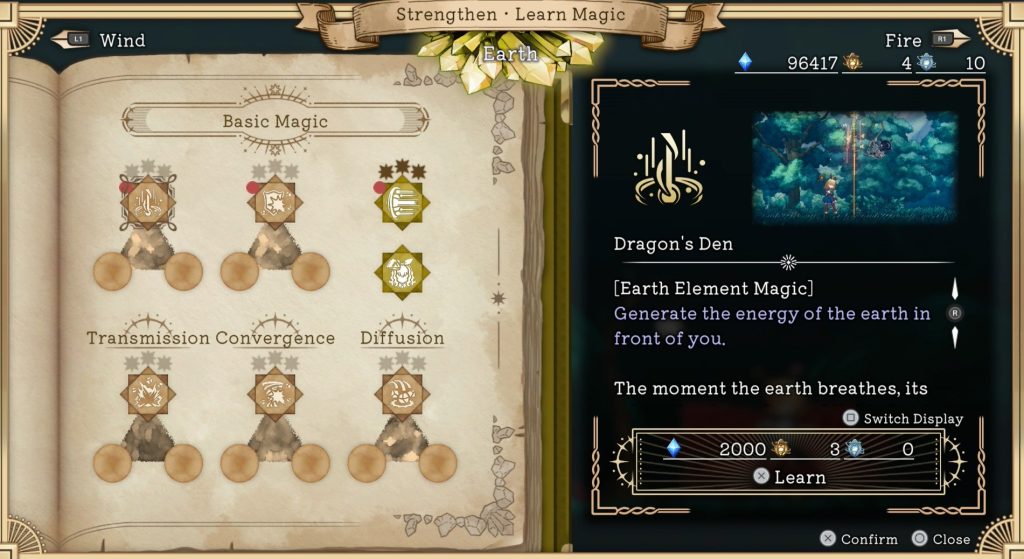
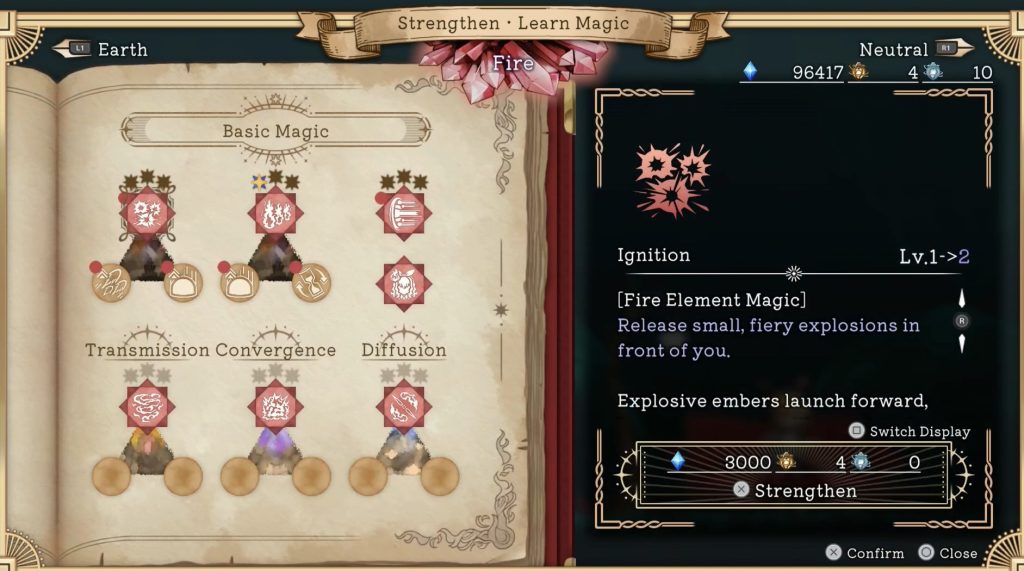
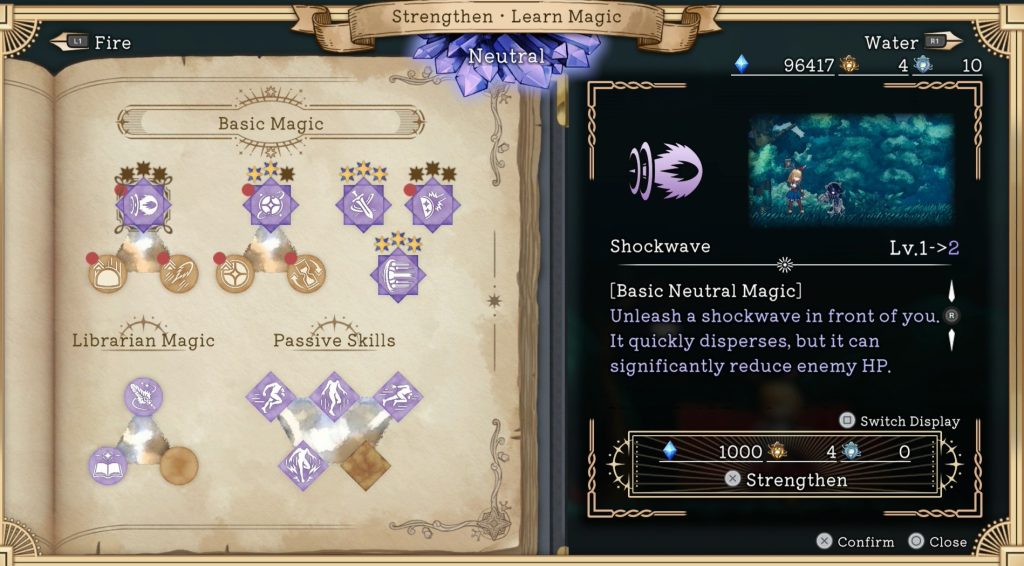
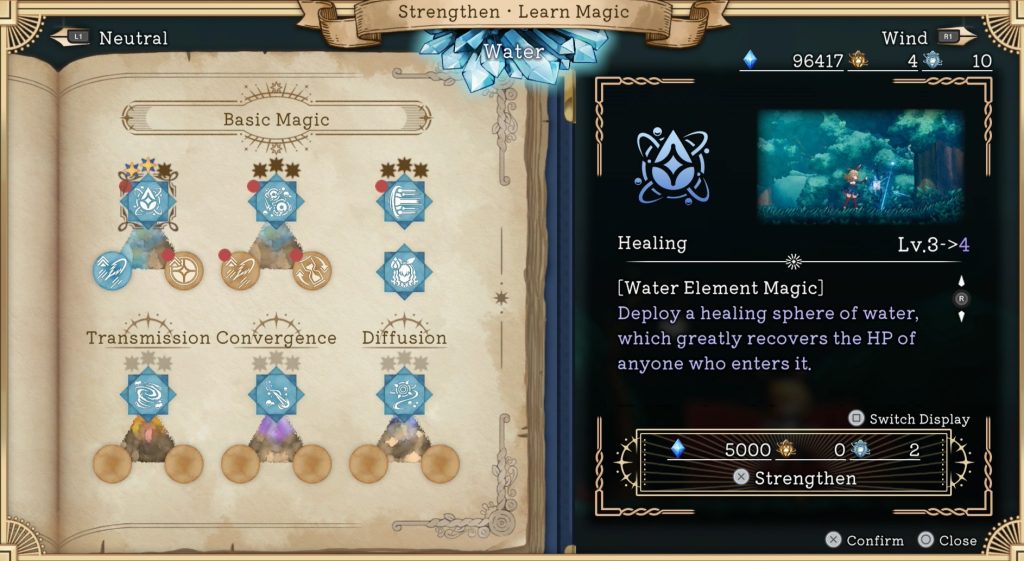
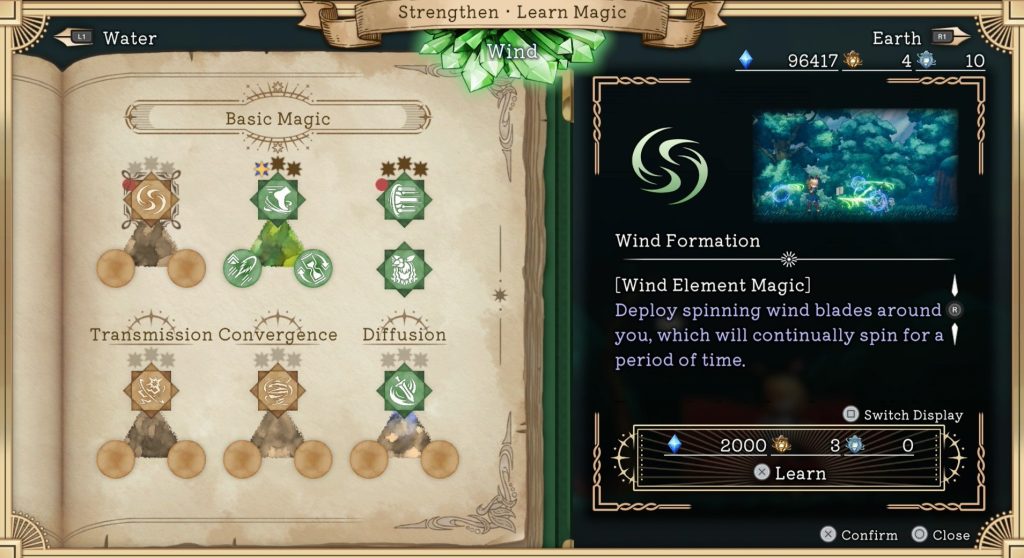
The healing skill from the Water Codex is a non-negotiable priority for max upgrades, right after the basic attack string of the Neutral element.
Ariana also features a combo mechanic, here called Magic Burst. If you fill an enemy’s elemental limit gauge, it triggers a massive AOE explosion (marked by the color of the circle). To build up this Magic Burst limit, you can target an enemy’s elemental weakness or stack two or three different elements simultaneously. Utilizing this will severely cut down combat time compared to just relying on basic attack combos.
Additionally, Ariana has access to Advent Forms. Every time you successfully restore one of the four basic elemental codices, Ariana unlocks a new elemental form. This feature doesn’t just give her outfit an elegant visual overhaul; it also imbues her basic attacks with that specific element, allowing you to trigger Magic Bursts instantly without relying on spell cooldowns.
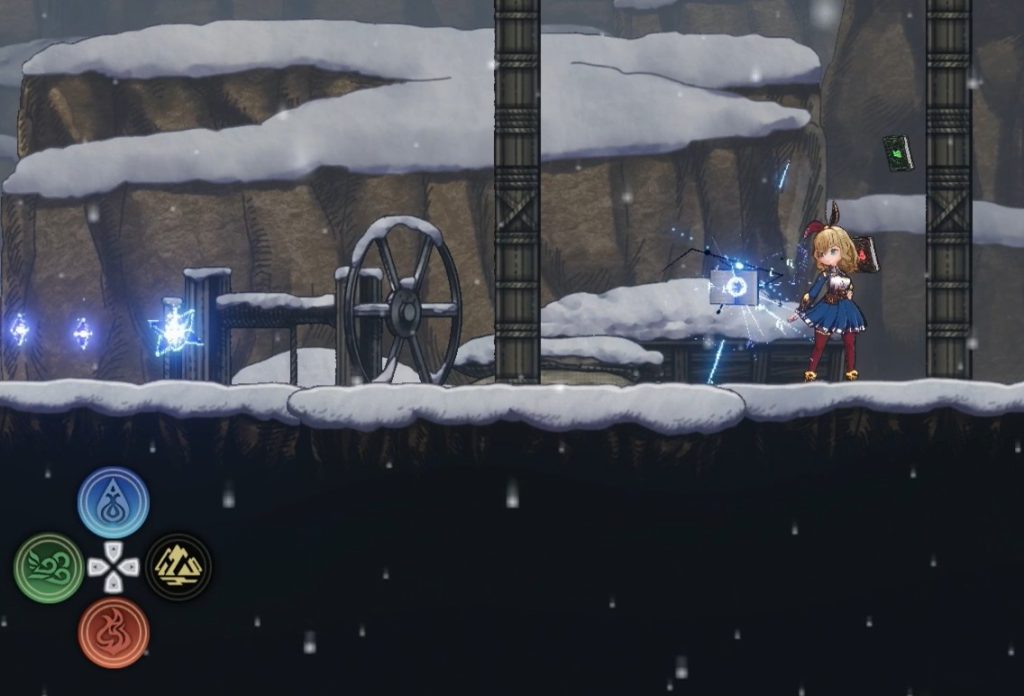
Clunky Controls and Strange Level Design
The controls and level design stand out as the biggest pain points and hot topics of debate among players. On one hand, some gamers feel the controls are tight, responsive, and precise enough to navigate obstacles.
On the other hand, the movement can feel way too floaty for players sensitive to precision. Ariana has an automatic sliding effect whenever she lands or changes direction, which ironically causes her to frequently slip right off small ledges. The combo system is equally rigid; you cannot animation-cancel your sword swings mid-way through a string—you are locked in until the animation completely plays out.
The map design also invites criticism for being standard and generic, feeling almost like the unpolished, randomized levels of a barebones roguelike. To compensate, the developers frequently rely on “locked arena” segments, blocking the screen until you clear out every enemy in the area to test your mobility.
In-game maps are presented purely as journeys from one node to another. Without a clear micro-map, you often find yourself aimlessly exploring up and down just to find a path to your destination. There are no clear indicators separating a bottomless pit that docks your health from a secret drop leading to hidden treasure, forcing players into “leaps of faith” just to check. As mentioned earlier, with the game’s infinite respawn system, checking every nook and cranny blindly is a terrible idea. It gets exhausting fighting the same monsters repeatedly just to scout a path.
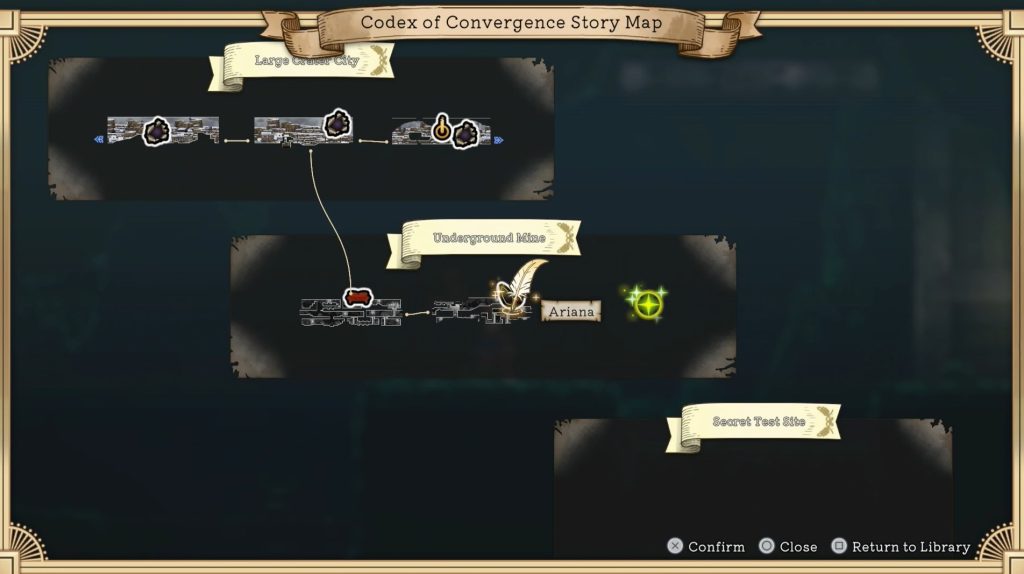
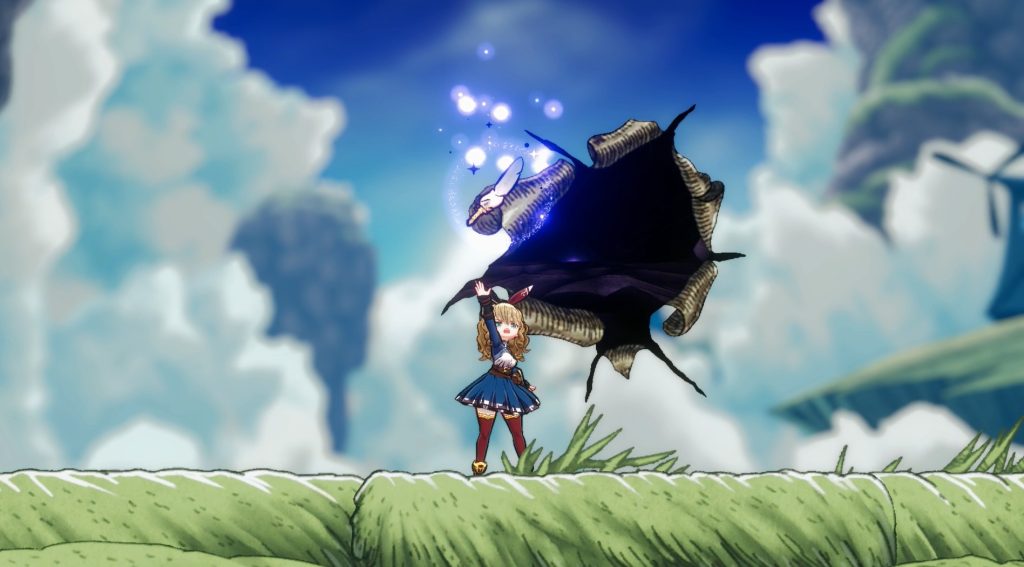
While exploring sub-zones, we’ll encounter dimensional tears in the books and be tasked with repairing them. This throws us into Time Attack modes or wave-based survival battles graded on a scale from Rank A to F. The higher our grade, the juicier the rewards—ranging from consumables to permanent HP/Attack-boosting emblems.
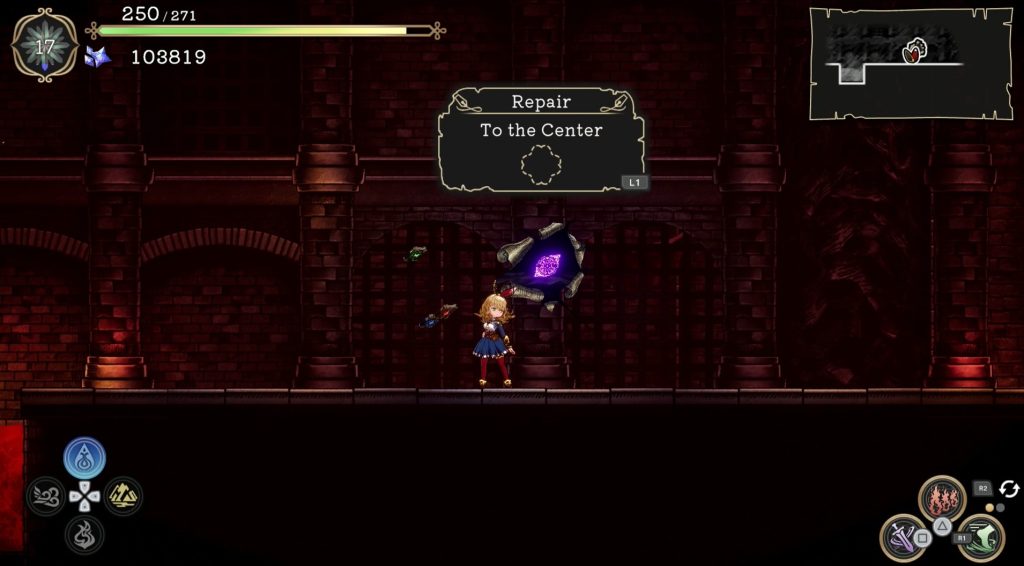
Bizarrely, if we fail to net an A-rank (which is crucial for achievements), we can’t instantly restart the Time Trial challenge. Instead, we have to completely back out of the area and re-enter.
Standard enemy encounters aren’t particularly difficult because the AI is fairly brain-dead. The real headache stems from flawed hitboxes; for instance, the large-shield enemies in the Earth Codex can absolutely block our attacks even if we’ve dashed directly behind their backs.
And then, the boss.
The boss fights feel equally unbalanced. The first boss acts as a passive sandbag, whereas Garuda in the Wind Codex forces us into a tedious war of attrition. To make matters worse, the Double Jump ability—which is practically mandatory to comfortably reach Garuda—is handed to us after we defeat it. Fundamental side-scrolling and platforming mechanics should never be locked behind progression. If you want to increase a stage’s difficulty, don’t do it by crippling the character’s movement.
Captivating Visual Aesthetics with Performance & Audio Caveats
The one thing everyone can agree on is the game’s stunning aesthetic. Powered by the Unity Engine, it boasts a gorgeous art style heavily reminiscent of legendary Vanillaware titles like Muramasa and Odin Sphere. The world is crafted with illustrated storybook textures, complemented by breathtaking hand-painted backgrounds. Even the dimensional tears are creatively rendered as physical rips in paper.
Unfortunately, this gorgeous presentation introduces a new issue during combat: the fireworks and magical particle effects are turned up way too high, leading to severe visual overload. Amidst the chaotic light show, it’s incredibly easy to completely lose track of Ariana on screen. You’ll encounter this issue constantly when chaining multiple Magic Bursts.
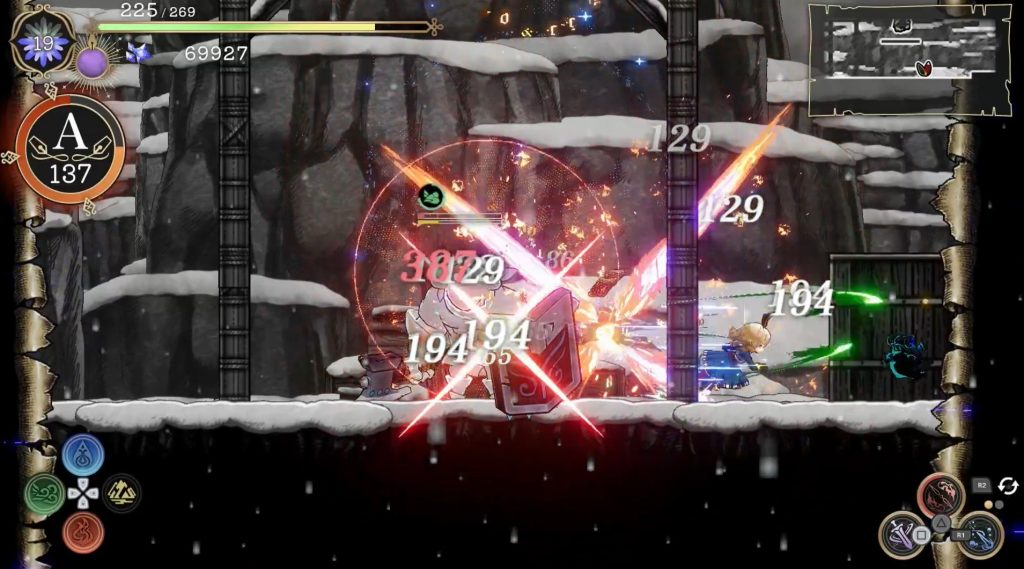
Performance-wise, playing on the PS5 is a flawless experience. The game runs buttery smooth at a locked 60 fps without any hiccups.
On the audio, the instrumental soundtrack leans toward generic. It’s not a dealbreaker, but the experience would have been much more pleasant if Ariana’s voice acting had more variety, rather than her shouting “That’s better!” every single time she heals.
Final Verdict: Hidden Gem or Blatant Blame?
Clocking in at a total playtime of 14 to 28 hours, depending on how casually you play or how aggressively you chase every internal achievement for that 100% completion, Ariana and the Elder Codex perfectly embodies the old adage: “Don’t judge a book by its cover.”
If you are looking for a Metroidvania masterpiece with razor-sharp combat precision, genius-level design, or a deeply moving narrative, this game will likely feel flat and disappointing to hardcore critics. But we thought this was not bad enough to be called blatant blame. Well, the lack of post-game or end-game content, like a secret dungeon after restoring all 7 Codices, also feels like a missed opportunity.
However, if we can look past its minor flaws, enjoy solid character progression driven by RPG mechanics, and just want a vibrant, colorful, fast-paced, and casual-friendly “popcorn game,” this title possesses a strange, addictive charm that will easily keep you glued to your screen.
For many, it serves as a “refreshing shot of pure juice” compared to bloated, overly long games. It’s a solid 7.5/10 hidden gem in 2026 that is absolutely worth picking up and experiencing for yourself.
- A thoroughly refreshing, hand-painted visual style.
- Non-linear progression that lets you choose your own stages.
- Satisfying Burst mechanics that deliver an impactful combat feel.
- Bland narrative execution: The game's framing centers on opening and reading a book, yet the actual storytelling inside those pages is underdelivered.
- Floaty movement and zero move-canceling; once we cast a spell or swing, we are locked into the animation.
- No clear micro-map; we can never tell if a pit will kill you or lead to a hidden treasure chest.
- Basic side-scrolling and platforming mechanics are locked behind progression. If you want to ramp up a stage's difficulty, limiting character movement is not the way to do it.
- Endgame content feels like a missed opportunity.
Disclosure: We received a free review copy of this product from https://www.game.press