
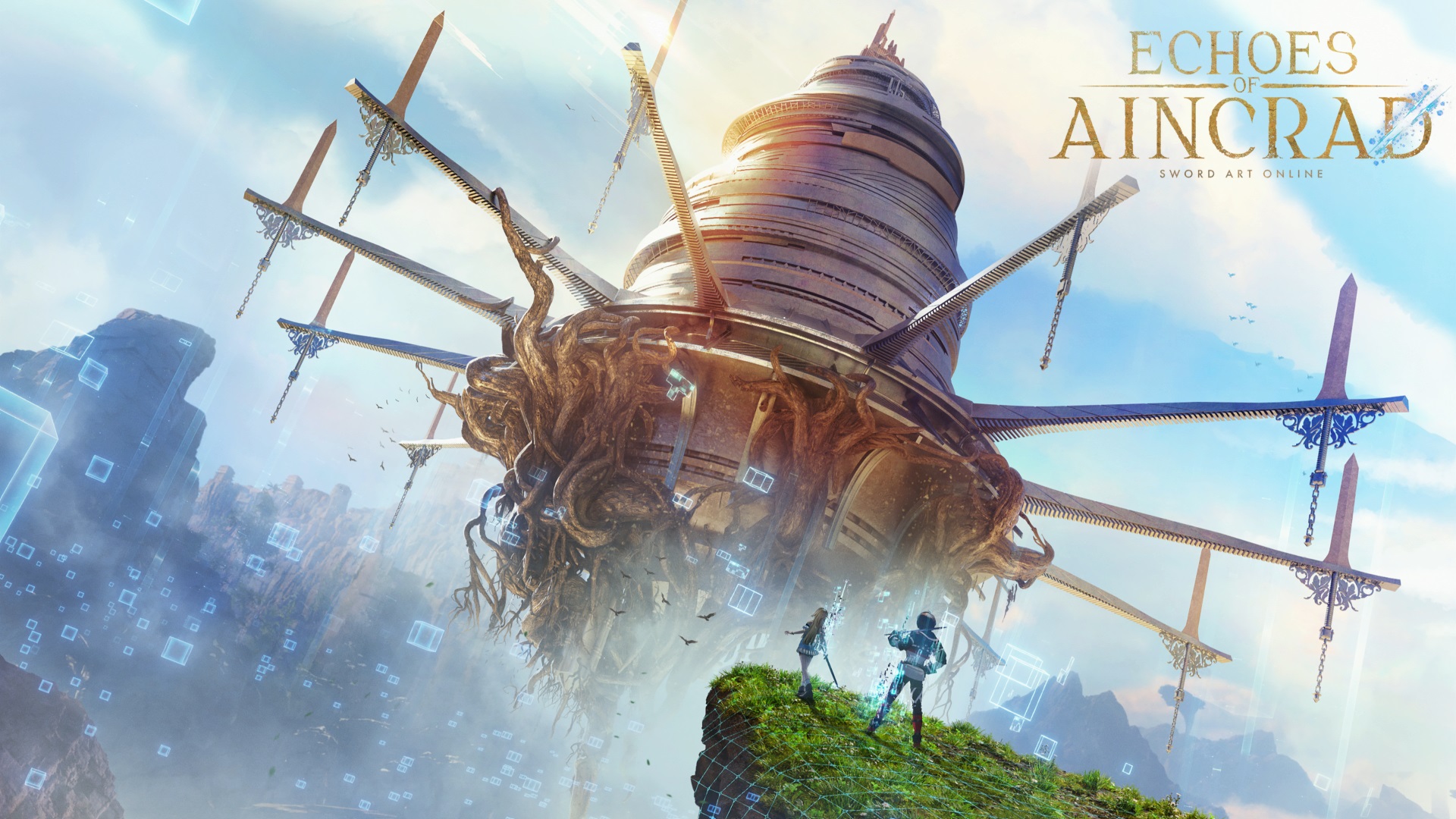
Our Echoes of Aincrad review comes after 71 hours of intense gameplay, exploring whether this latest Sword Art Online spin-off title is worth your time. In this deep dive, we break down the story, gameplay, graphics, performance, and audio.
| Game Title: | Echoes of Aincrad |
| Developer: | Game Studio Inc. |
| Publisher: | Bandai Namco Entertainment |
| Release Date: | 9th July 2026 |
| Platforms: | PlayStation 5 / Xbox Series X|S / PC |
Echoes of Aincrad is the latest game from Bandai Namco Entertainment in the Sword Art Online lineup. It takes place during the first arc of Sword Art Online inside Aincrad. The game introduces original storylines, new side characters, and events that alter the timeline of the original Aincrad arc and the SAO Progressive novels. Not to be confused with the original anime, this one uses Sword Art Online Progressive as the base.
In this game, you are not playing as Kirito or anyone from the original Sword Art Online series, but you play and create your own character who also got the chance to participate in the beta test and also got trapped inside the game when Akihiko Kayaba disabled the log-out button and turned SAO into a Death Game on launch day.
So, is Echoes of Aincrad a game that’s worth your time? Let’s find out in our in-depth review.
Story
As mentioned above, Echoes of Aincrad takes place in the first arc of the Sword Art Online series. A total of 1000 players were chosen to participate as beta testers before the full launch of Sword Art Online. And you, the main character, are one of the 1000 beta testers selected to participate.
The game itself starts with the Beta Test session, where you are just logging in to play & clear the dungeons with your friends. And then the game starts introducing some of the “mechanics” of Sword Art Online, like PK (Player Killer) and also Boss Fights. In this dungeon, you will find a solo player who teams up with you to clear the rest of the dungeon, named Iori.
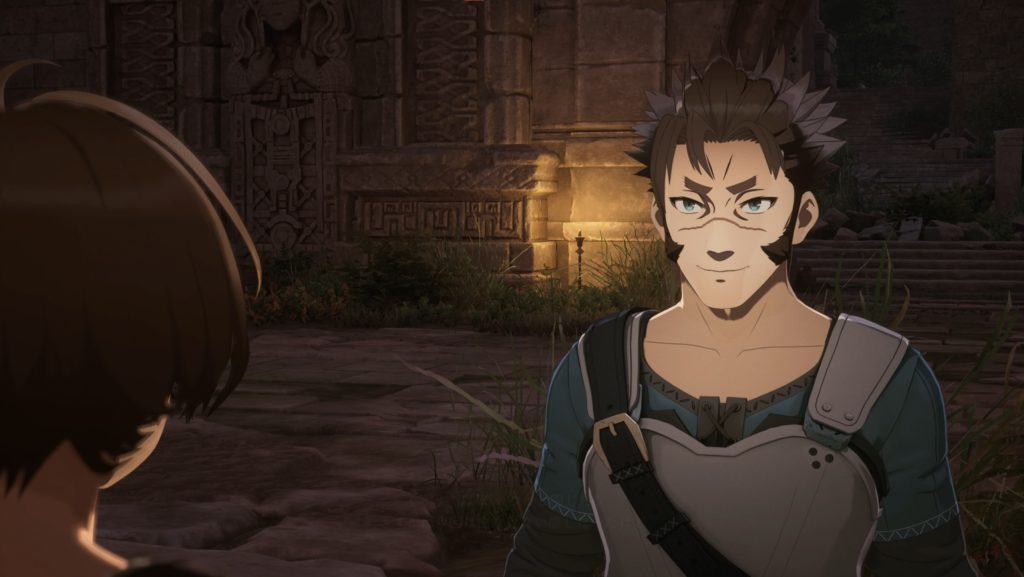
Your partner-in-crime during the Beta Test session, Iori
After the Beta Test session ended, you, Iori, Wyzeman, and Saayu decided to meet up and play together again once the game is officially released. You can see that the game actually tries to stay true to the original SAO, as you will hear rumors about a strong solo player like Kirito during your beta test session.
Actually, there’s a free demo available right now on all platforms, where you can play the game from the beginning until the end of the Beta Test (A good 4-6 hours of gameplay). This demo kinda works because it was released 3 weeks before the full game release, and the demo ended when the beta test ended as well. Kinda feels like you actually participated in the Beta Test in Sword Art Online before the full release next week.
And when Sword Art Online officially released, you and your friends decided to play together once more. You log in and create your own character/avatar, and are one of the 10,000 players who played on the launch day. When trying to get out of the dungeon, you met Iori again, and the two of you decided to team up and head to the Town of Beginnings. You & Iori regroup with Saayu & Wyzeman in the town. And soon after, people start to realize that the Logout button has been removed, and the sky turns red with the Warning Announcement and a huge robed entity (Game Master) that appears before them (Akihiko Kayaba).
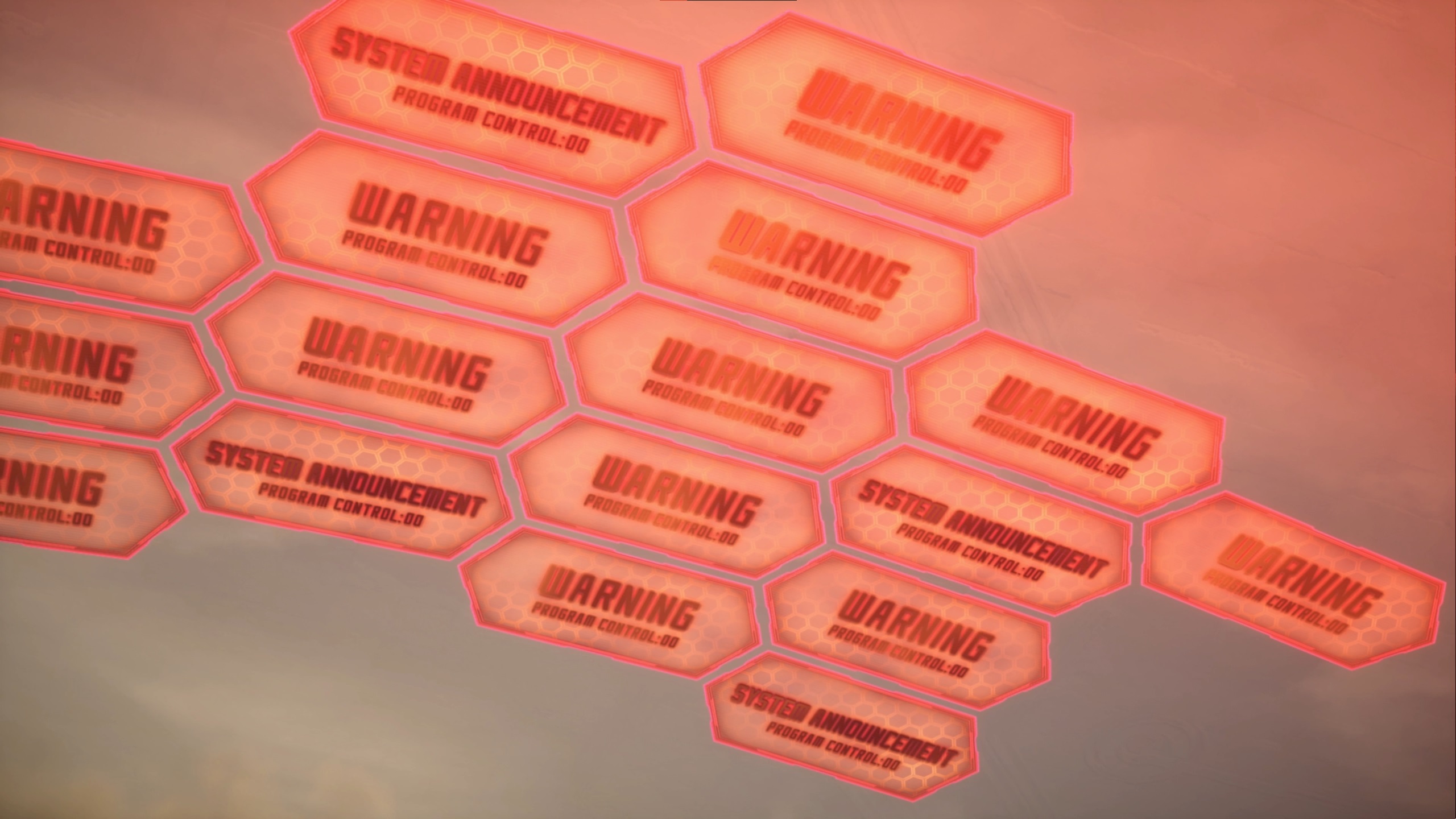
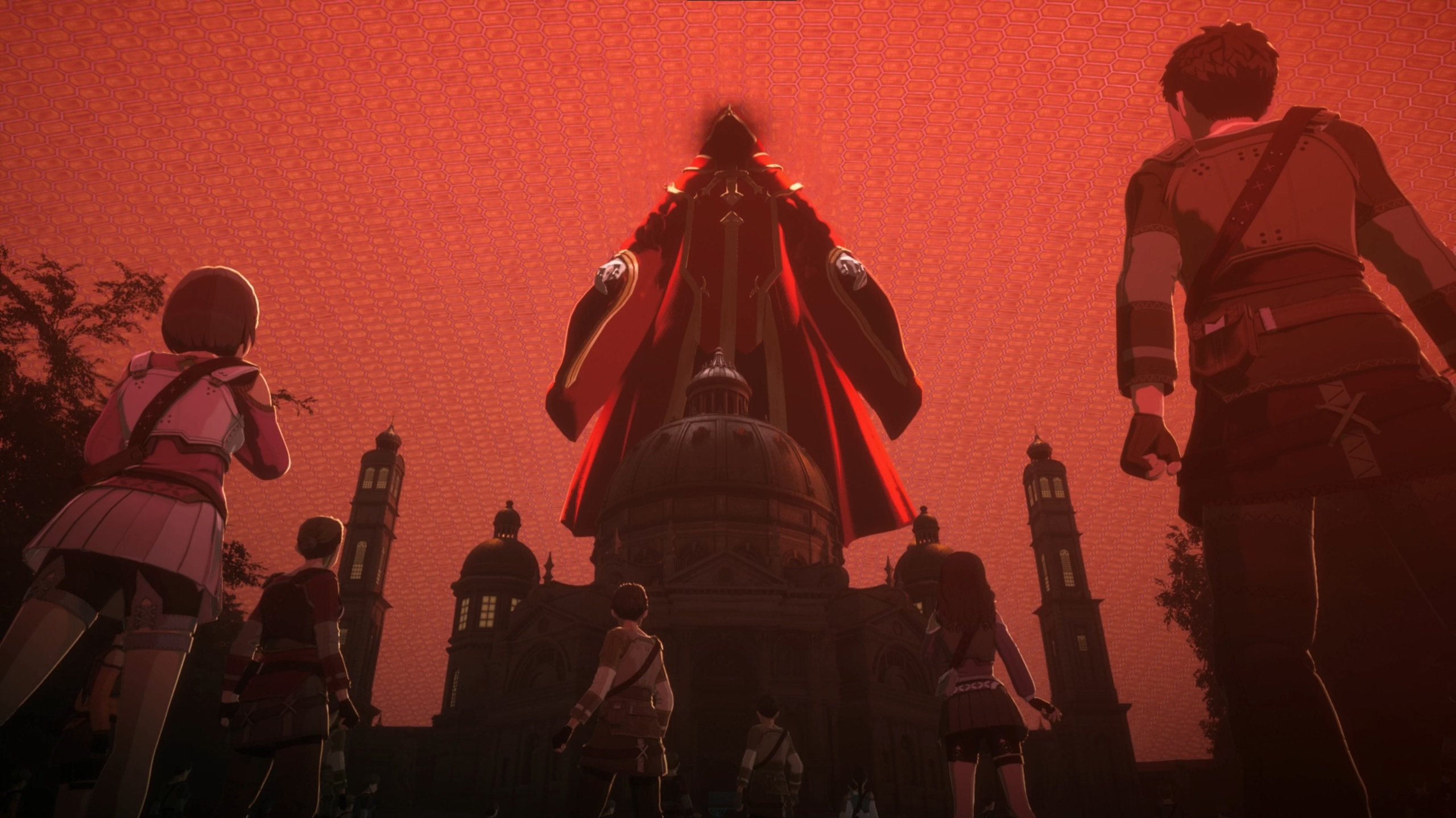
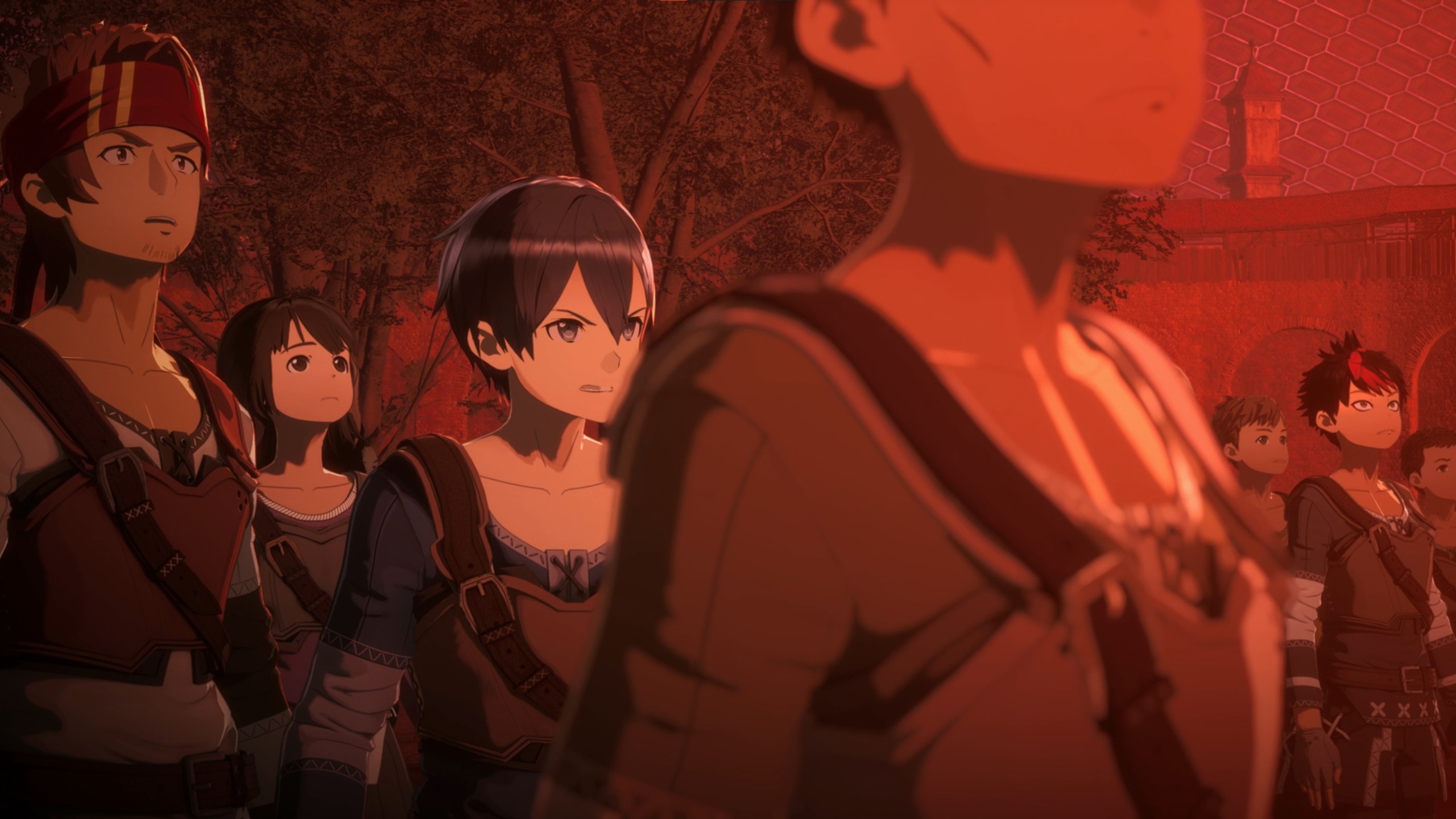
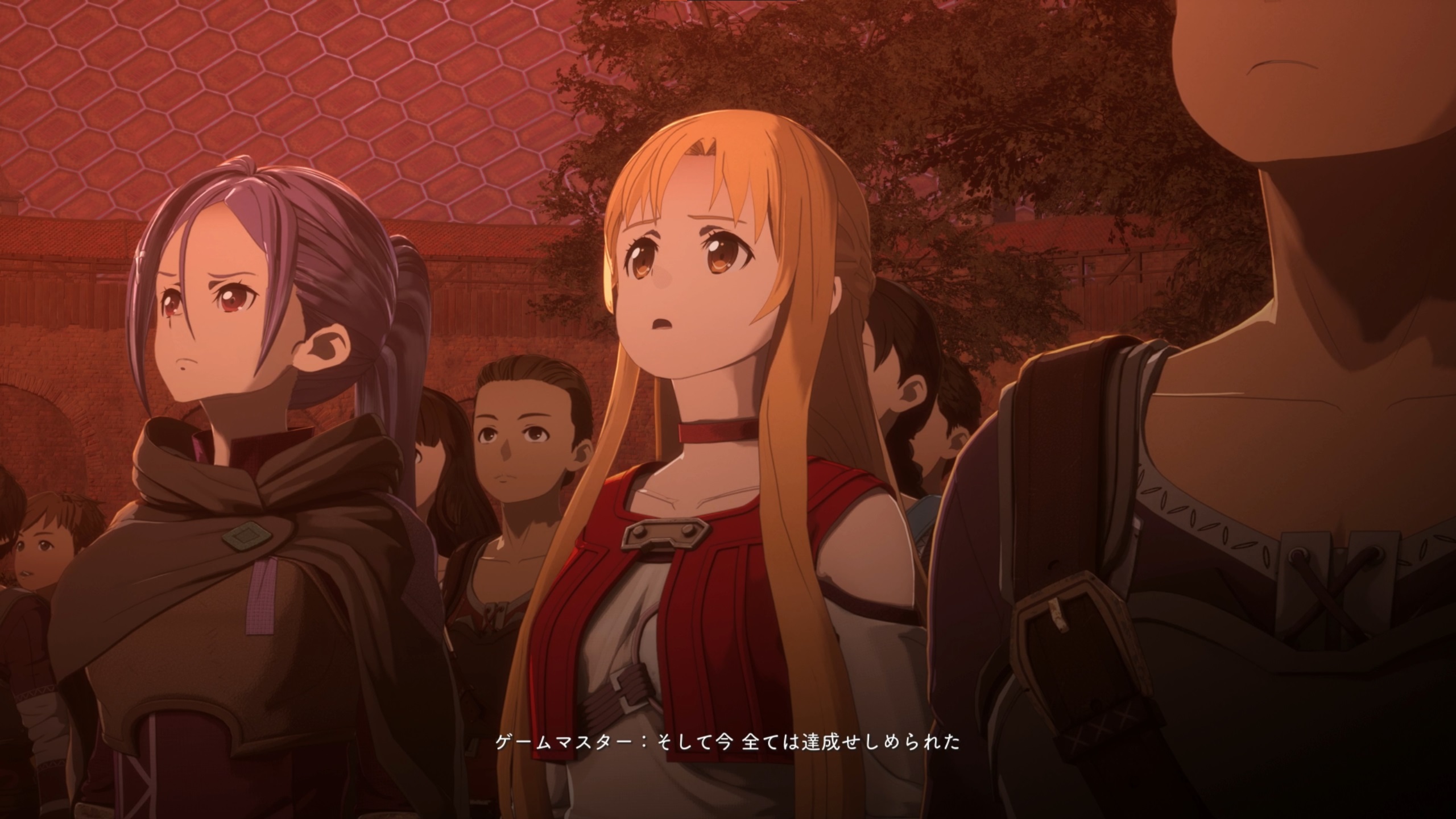
Kayaba told them that he has removed the Log Out button as it is meant to be, and if you force-exit the game by removing the Nerve Gear, your brain will be destroyed, and that there are already 213 players who died because of that. And when they die in the game, they also die in real life. And if they want to get out of the game, they need to beat the boss on the 100th floor. And together with that, he also changed everyone’s avatar to resemble their face in real life, thus revealing that Iori is actually a girl. During this event, you can also see characters like Kirito, Klein, Asuna, & Mito as well.
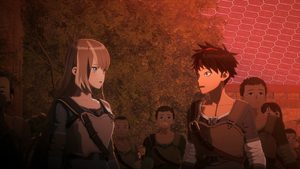
Your partner Iori from the Beta Test is actually a girl!?
So far, what we know is basically the same as what we learned through the movie Sword Art Online Progressive: Aria of a Starless Night, because it takes exactly the same events as the movie, only from the eyes of a character who is neither Kirito nor Asuna. But it actually works because you are following this Death Game event from the very beginning, and you don’t really need to have any knowledge regarding Sword Art Online prior to this one, making it a very good starting point for newcomers.
The game has a slightly darker theme and is much more serious compared to the other Sword Art Online games. They focus more on the horror of dying in the game = dying in real life, and that everyone in-game actually hates Beta Testers because they have the information that other new players didn’t have. Making those Beta Testers an easy target of anger from the other players. Some of them even took their own life because they were tired of being chased by other players just because they were a Beta Tester.
I’ve heard a lot of people are concerned that the game only has 2 Floors out of 100 floors within Aincrad, but plot-wise it actually works. Our main character’s team was involved in a “Unique Quest” called “The Knights of Salvation”.
I’d like to think that this game is divided into 2 Arcs.
- Floor 1 (Canonical Raid): Covers the events of Aria of a Starless Night from the perspective of the rear-guard team supporting Kirito, Asuna, and Agil.
- Knights of Salvation (Original Arc): Introduces a high-stakes original storyline centered on a unique questline tied to a mysterious brooch, shifting focus away from floor-clearing to preventing an apocalyptic system sweep on Floors 1 and 2.
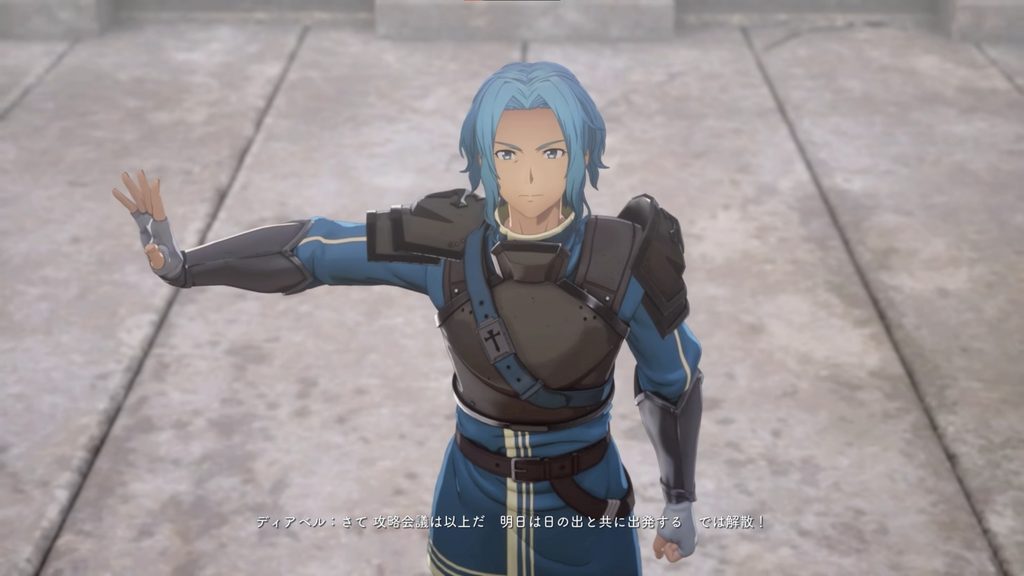
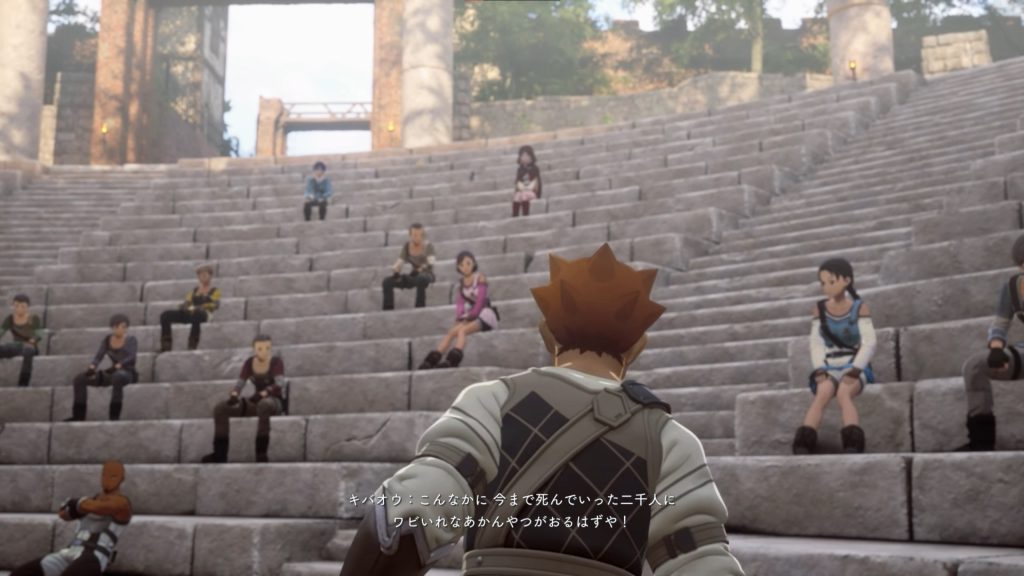
Diavel is briefing people for the Boss Raid Battle / Kibaou is blaming the beta tester for players who died (You can see Kirito & Asuna in the back)
You still need to defeat the Boss on the 100th floor before you can leave the game, and that hasn’t changed. Your team will also participate in the Boss Raid Battle vs Illfang the Kobold Lord as the team that protects the rear side.
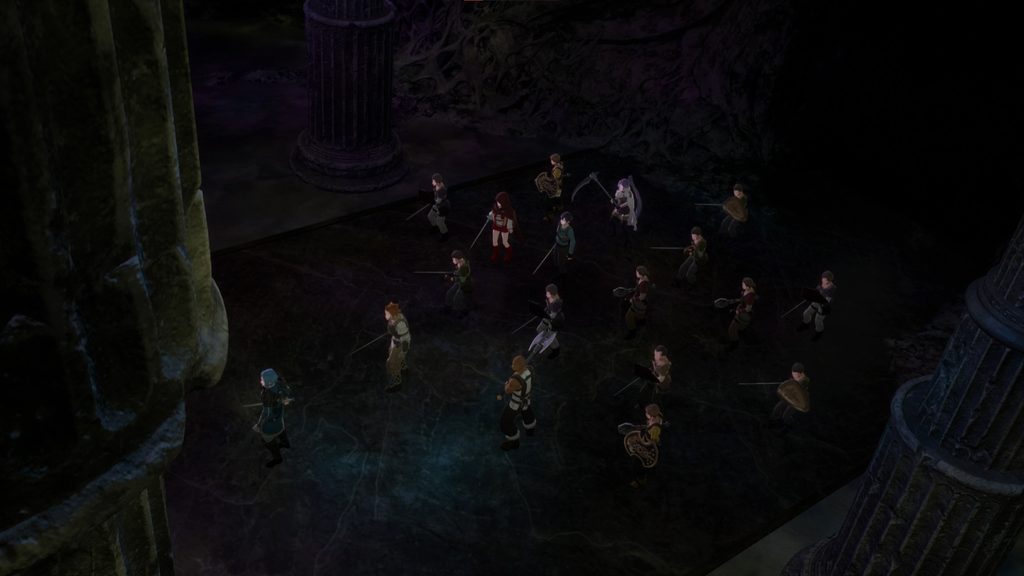
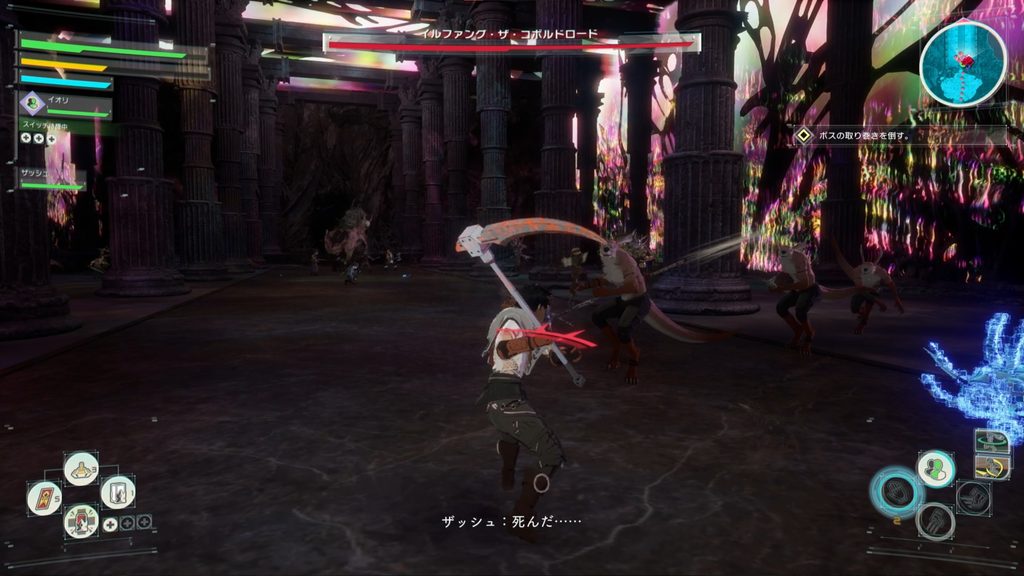
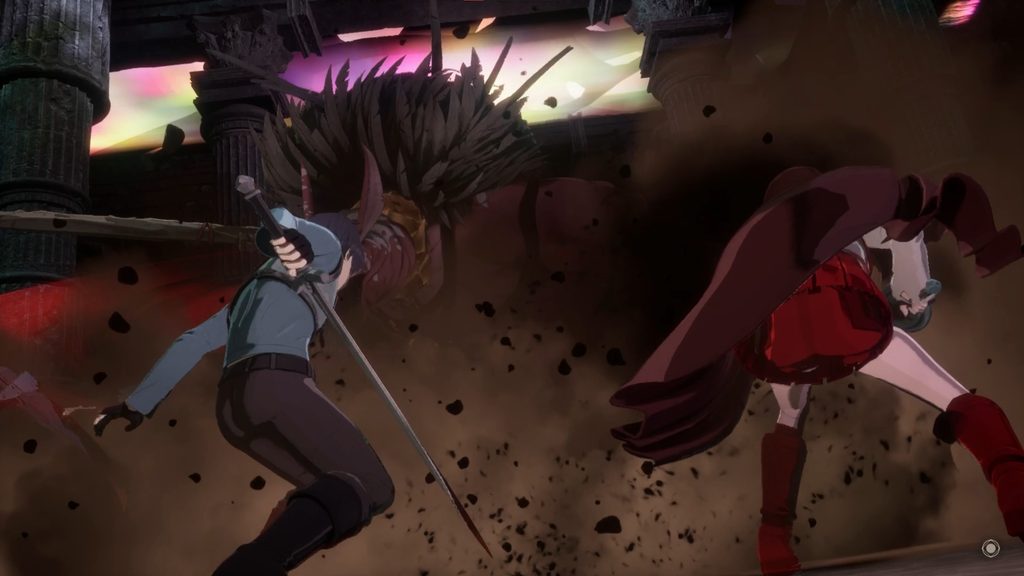
You will be part of the team that protects the rear; you can also see that Kirito, Egil, & Asuna are fighting Illfang in the front.
After Kirito defeated the Boss and opened the door to the 2nd Floor, your party went back to town to celebrate, but all of a sudden, you, Iori, & Wyzeman are getting into some kind of Nightmare. Then you automatically received a quest called “The Knights of Salvation” and a unique brooch as proof that you accepted the quest.
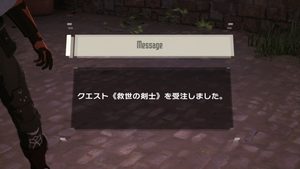
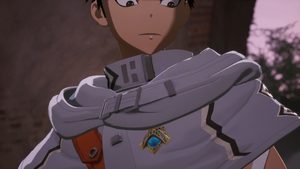
This brooch is somehow connected to the quest
This is when the story of the game took a different turn from the Sword Art Online Progressive Movie. Now your team has to clear the “Knights of Salvation” quest, because if you don’t, apparently the system will summon the God of Death and destroy Aincrad, therefore killing everyone in it. While Kirito and the gang are focusing on reaching the 100th floor, your team is focusing on clearing the “Knights of Salvation” quest, which takes place mainly on the 1st & 2nd floors.
Along the way, you will also find other people who have the same brooch, which means they are also part of the same quest, as well as some characters who don’t have the brooch but want to help clear it.
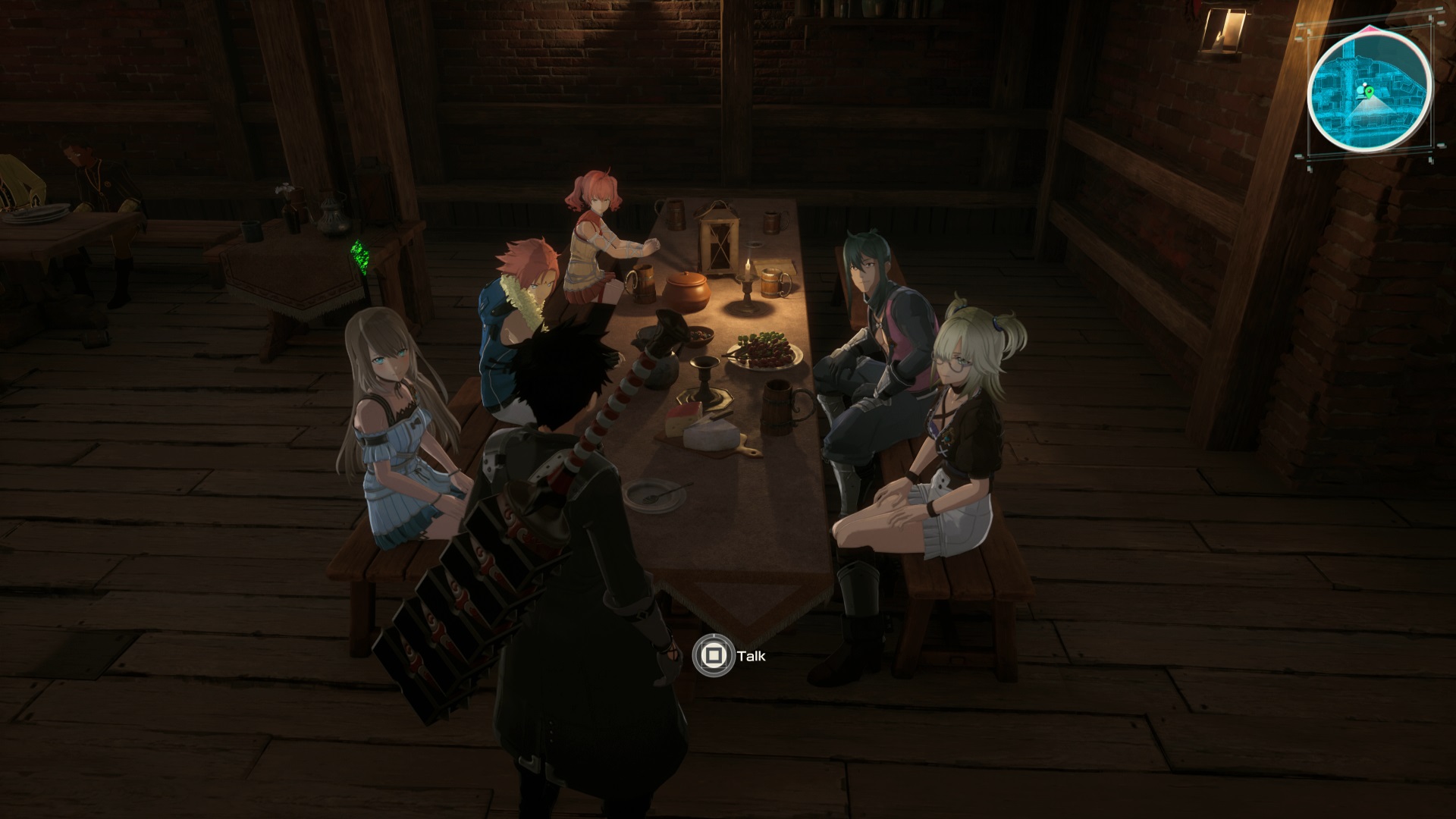
From Left to Right: Iori, Zash, Lara, Musou, & Stina
While the narrative premise is compelling and surprisingly welcoming to newcomers, the execution suffers from two major structural flaws: disjointed pacing and an abrupt conclusion.
First of all, the pacing.
In order to continue, you are forced to accept the story quests and clear some maps or dungeons before you can actually see what’s happening next. This really breaks the immersion, while we understand that you need to go here and you need to go there; tying progression to a rigid quest system that instanced you into separate maps gets tedious fast.
Second of all, the Cliffhanger.
As the story goes, unfortunately, it ended in a cliffhanger. Meaning that you will not see the conclusion to the “Knights of Salvation” quest by the end of this game. There is still plenty to do, but the game just lets you know, “Hey! This is as far as we go!”, leaving the narrative feeling somewhat incomplete and setting up future DLC or sequels rather than giving this standalone release a fully satisfying payoff.
Having an original cast detached from Kirito’s group and placing you in a secret quest to save Aincrad is a fantastic premise. The original characters are also the strongest part of the story. Each character is interesting enough, but unfortunately, before we got to learn more about them, the game just ended. We got Iori, who is kind of like the Main Character of the game. And then Zash, who’s kind of like the mood-maker of the team. And then Stina, a foreigner who came to Japan and is probably the most logical character in this game. Then we have Musou, a weird old man that no one really likes, but he tags along anyway, introduced as the stronger character on the team. Last but not least, we have Lara, who isn’t an official party member, but she hangs around with the team by the final part of the game.
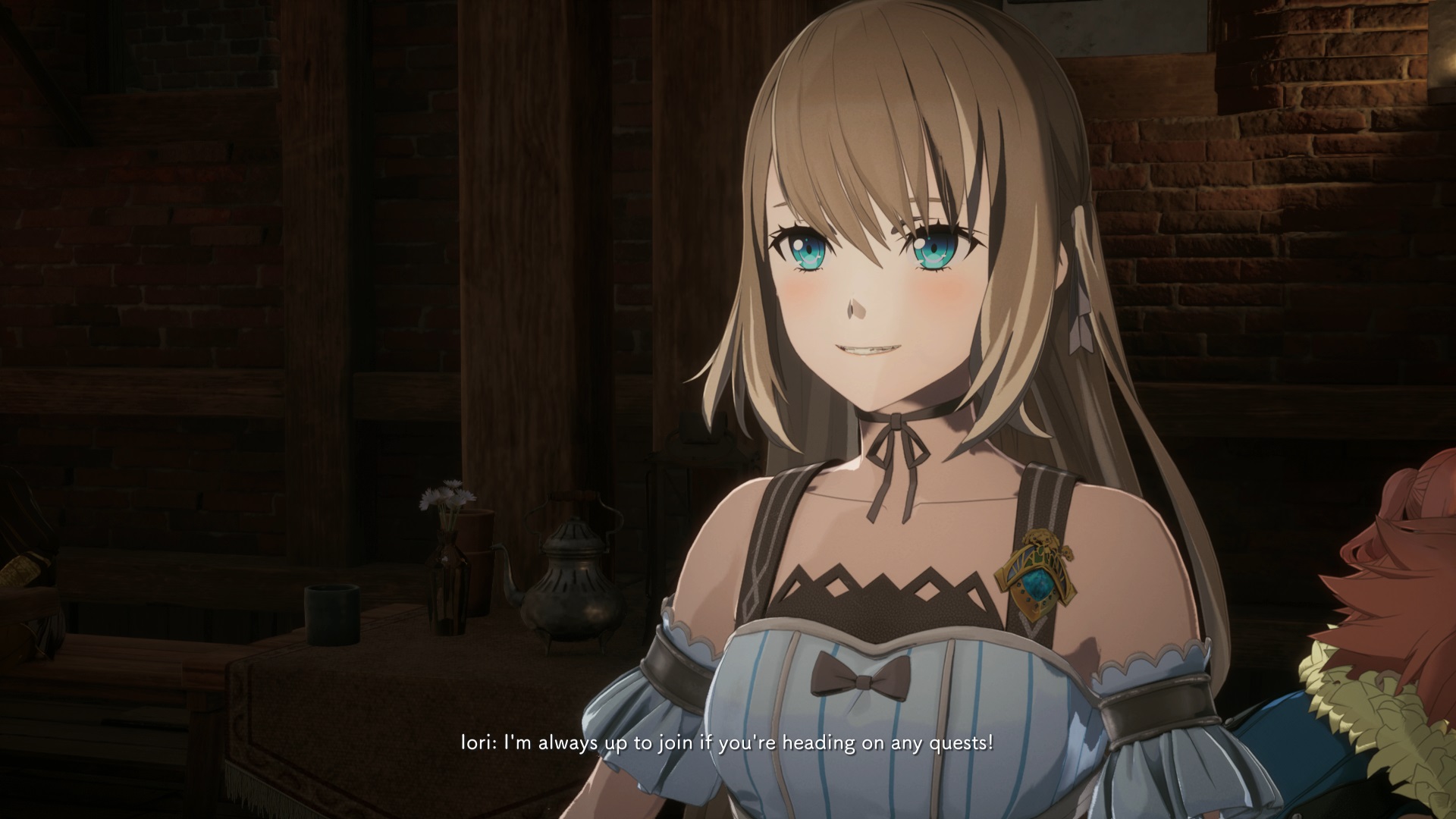
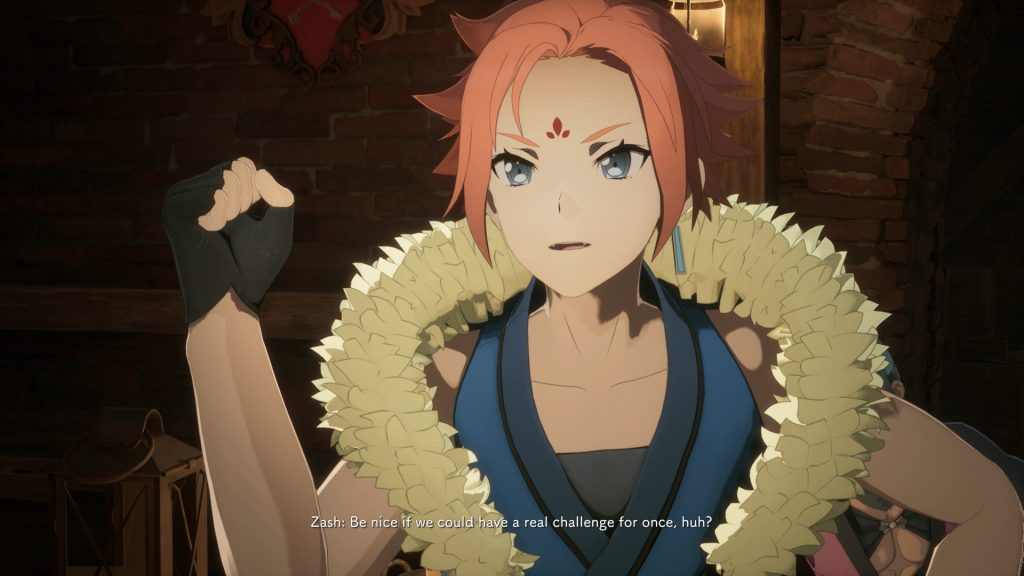
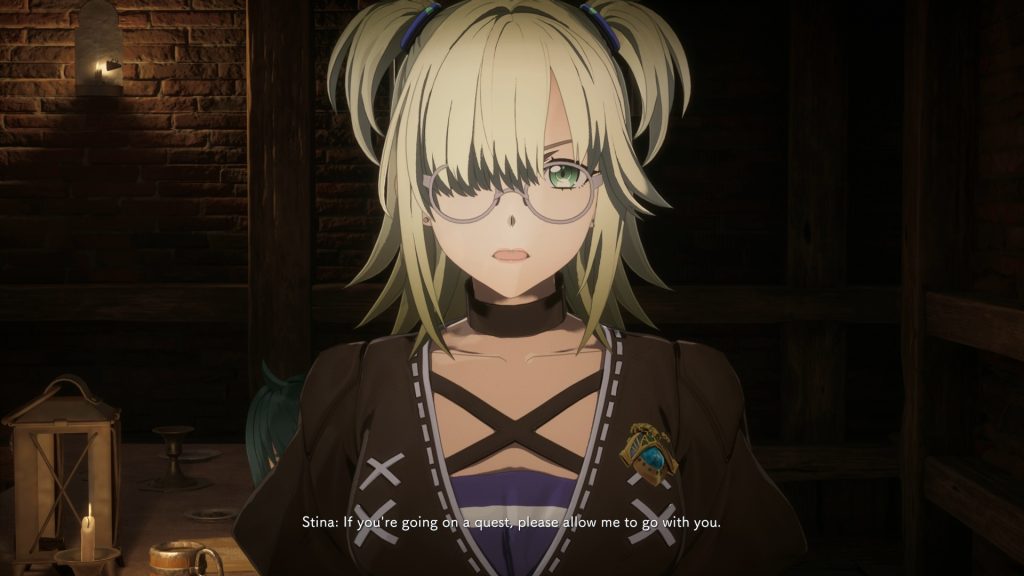
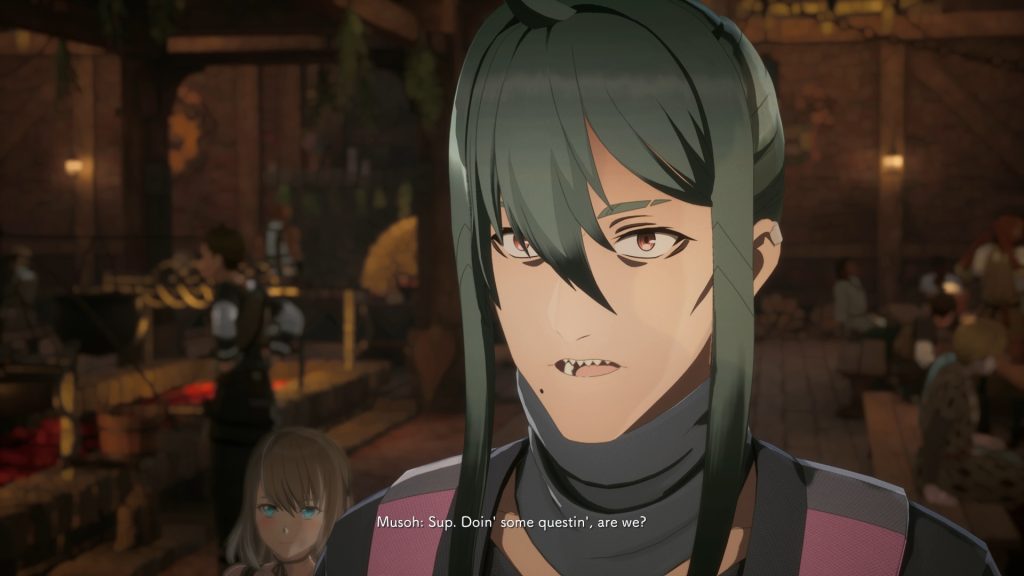
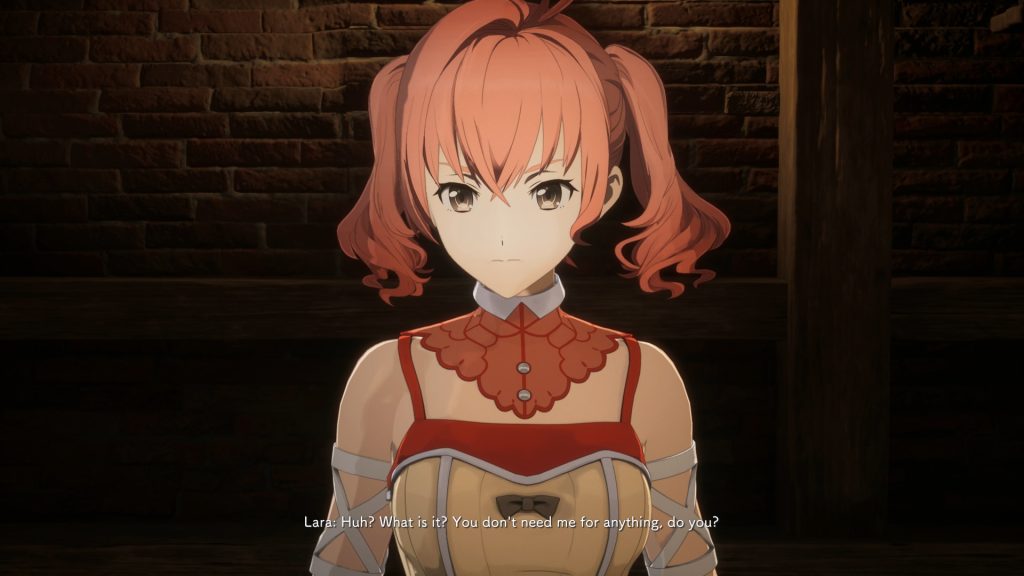
Not utilizing these interesting characters, rigid map gating, and an unresolved cliffhanger hurt the payoff for a full-priced, single-player title. While DLCs are planned, needing access to higher floors suggests this story may be saved for a full sequel rather than a simple DLC expansion.
Plus, the game also introduces some of the PK (Player Killer) elements in the plot during the Beta Test Session (Demo), but never really follows up on it until the end. We know that people who die inside SAO will also die in real life; therefore, introducing that there are PK that lurks around the game could have increased the tension and the horror of dying inside the game, plus it questions human morality as well. But nope, introduced the characters once and it’s done (Although they will share a glimpse of what’s happening if you got the True Ending). Maybe this is something they would explore in the DLCs.
Another detail worth noting is that your created character is essentially a mute protagonist. Dialogue choices are limited to simple actions like nodding, shaking your head, or smiling, none of which affect the narrative direction or impact the story in a meaningful way.
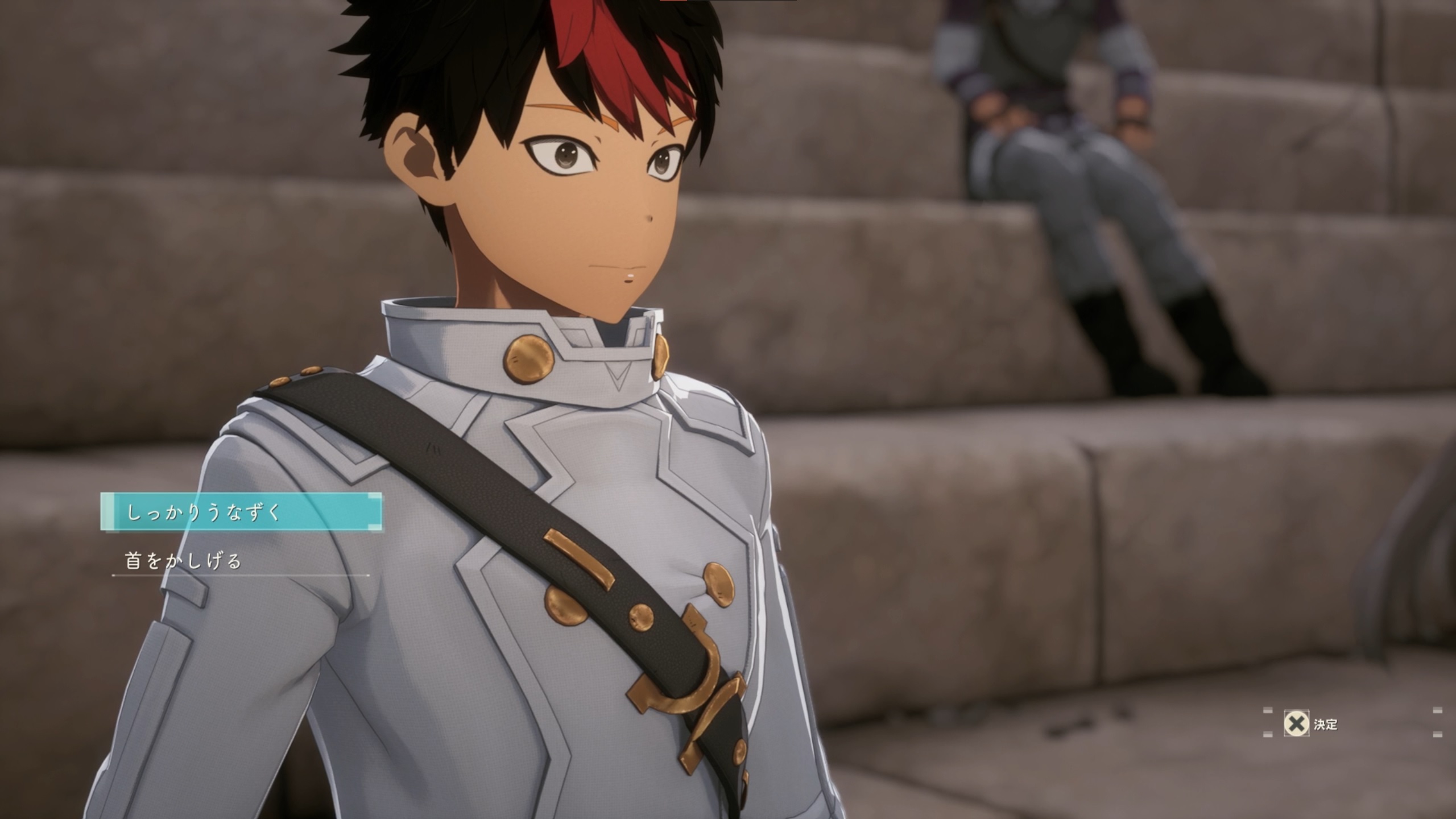
Whether you nod or tilt your head, it changes nothing.
Another part of the story that we need to mention is the additional movie「Unanswered//butterfly」that’s included in the Ultimate Edition of the game.
Funny enough, this special anime episode is about 2 hours long, with a quality as good as the SAO Progressive movies, and functions as an expanded “side-story” midquel set on a floor that isn’t playable in the base game. It fleshes out the broader universe, featuring the vocal duet between Iori and Lara before/during the game’s timeline.
The story takes place on the Third Floor, introducing 2 new original characters, Emirun & Rex. After getting trapped in SAO, they join a map survey squad to learn how to survive. Disaster strikes when their survey team is ambushed and wiped out. Emirun arrives at the scene to find Rex slumped over and defeated, standing in the shadow of a player with an orange criminal icon, who appears to be none other than Kirito, the “Black Swordsman”. Driven by grief, Emirun and Rex vow to avenge their fallen comrades. Knowing they are complete novices compared to the infamous solo player, they seek out Asuna to help train them in dueling and combat basics.
Not that the movie is crucial to the main game plot, but it’s worth mentioning that they used a multimedia approach to expand the story. That aside, we got a glimpse of what’s happening on the Third Floor, as it shows Iori & the gang reached the Third Floor safely, which means this anime takes place after the events of the game.
Gameplay
There are a lot of aspects of the gameplay that we want to talk about, especially regarding the unnecessary & weird decisions in the game design, but let’s start from the best part of the game.
Battle
We believe Battle is one of the best parts of the game. When the game was first announced, people thought that the game could be a Soulslike that took place in the SAO Universe. But let me tell you, while there are a few aspects from Soulslike integrated into this game, it is by no means a Soulslike. The only aspect that’s similar is probably the limited Healing potions that you can bring into the quest, and the use of stamina when attacking.
I’d consider this a fast-paced Action RPG. You have the standard Light & Heavy Attacks, which you can mash to create a combo; your character can also jump, but most importantly, this game focuses more on how good you are at positioning yourself and utilizing the Sword Skill in a fight/boss battle.
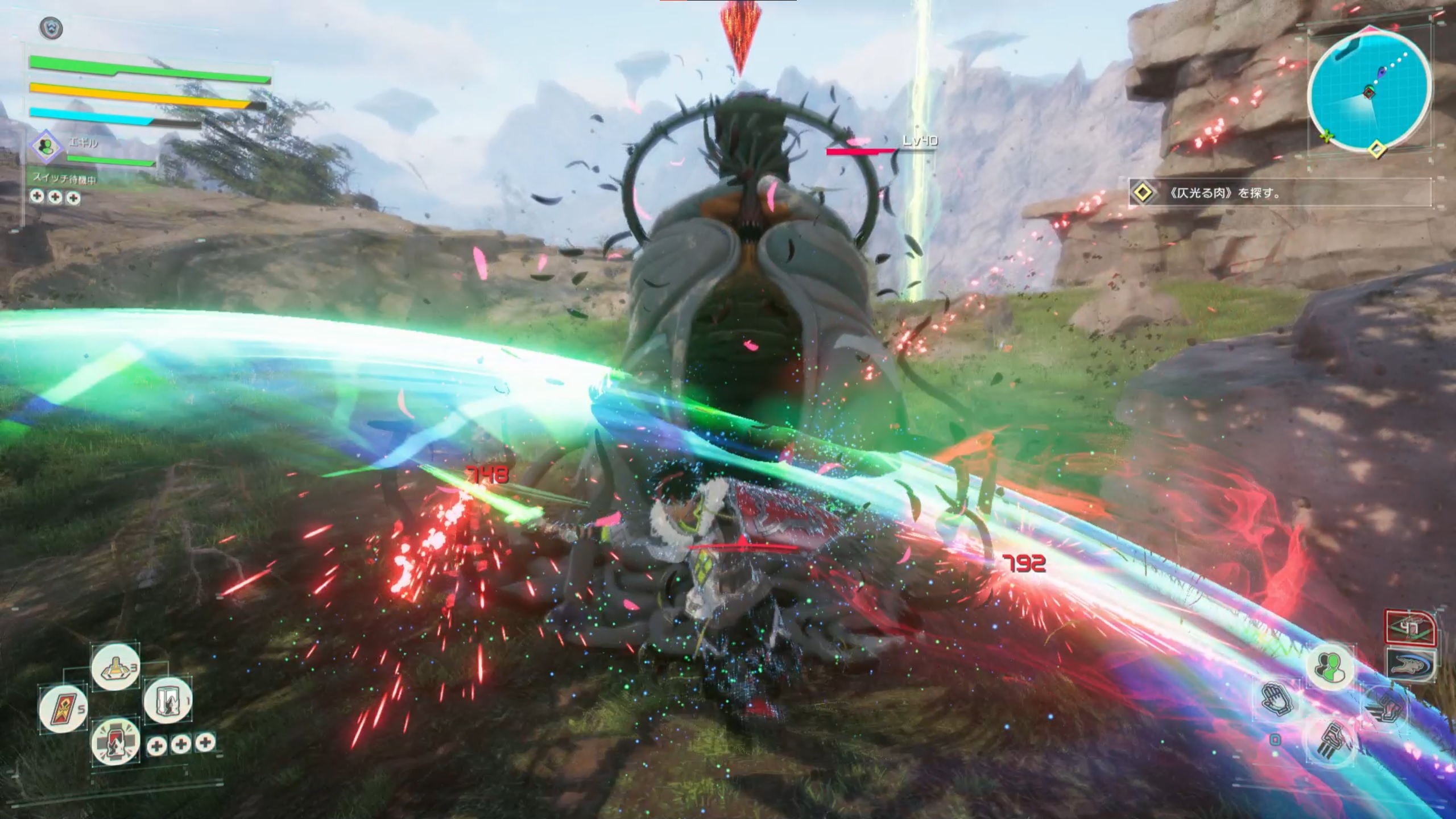
The Sword Skill is pretty much flashy with all of the light effects
Different weapons also have different feelings when fighting using them, and each weapon type have their own Sword Skills. You have a total of 6 weapon types that you can use: Sword / Rapier / Dagger / One-Handed Weapon / Two-Handed Sword / Two-Handed Axe. And when you gain a new level in the Weapon Proficiency, you will get a new Sword Skill (Up to 10 per weapon type).
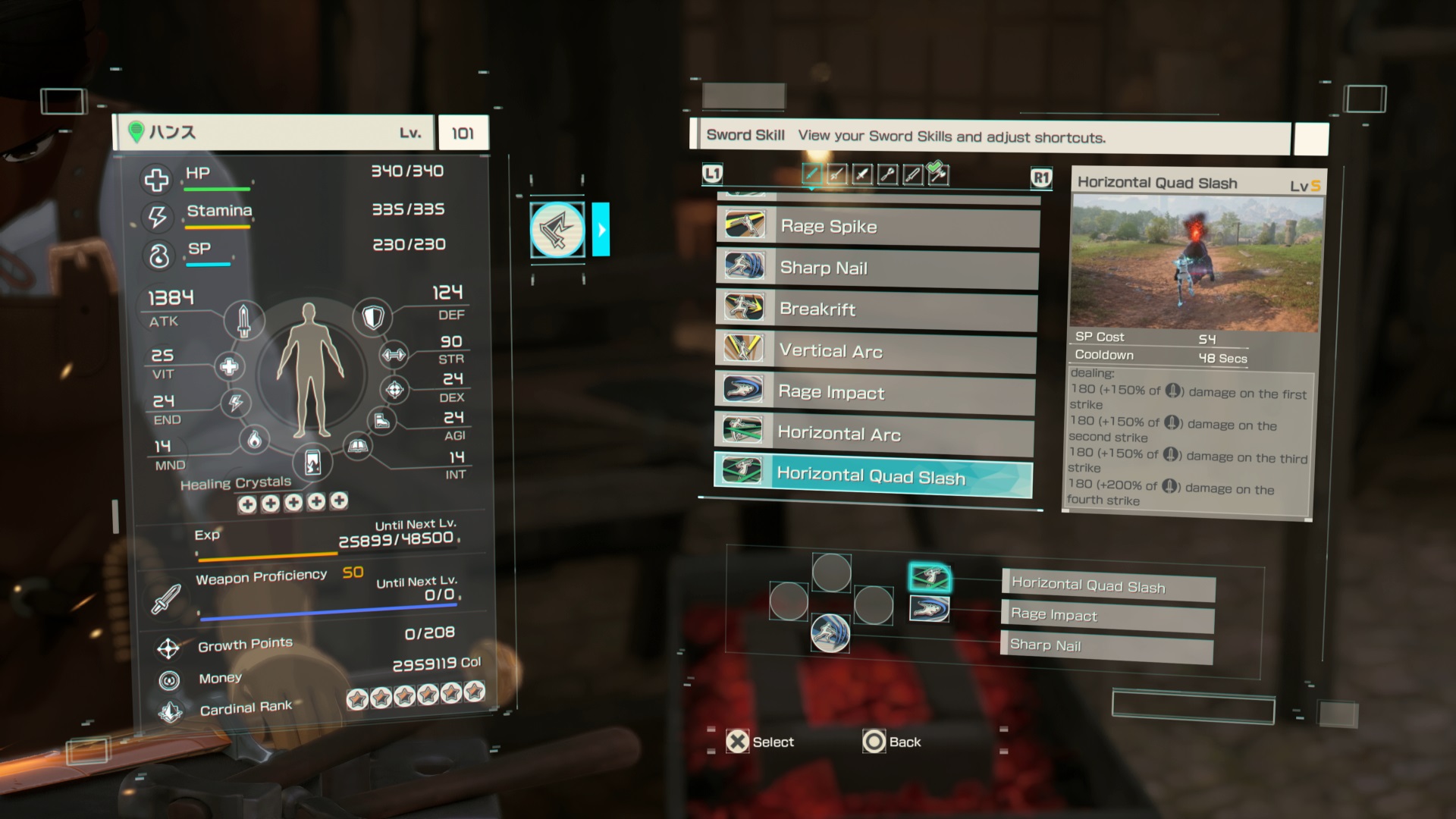
Sword Skills selection screen
Another thing that is unique about this game is the Dismemberment System that will show when you kill an enemy using Heavy Attacks or a Sword Skill that has “Severing Attacks” attributes. The game will go into slow-mo for a few seconds, showing that you are severing the enemy. This was cool in the first few hours, but it will get stale for sure. Imagine you are fighting several enemies at the same time, and each time you kill an enemy using a heavy attack, the game goes into slow-mo. It totally breaks the pacing of the battle and becomes something annoying. We just wish this were something that happens randomly, not something that 100% occurs when you kill an enemy with Heavy attacks, or only on specific enemies.
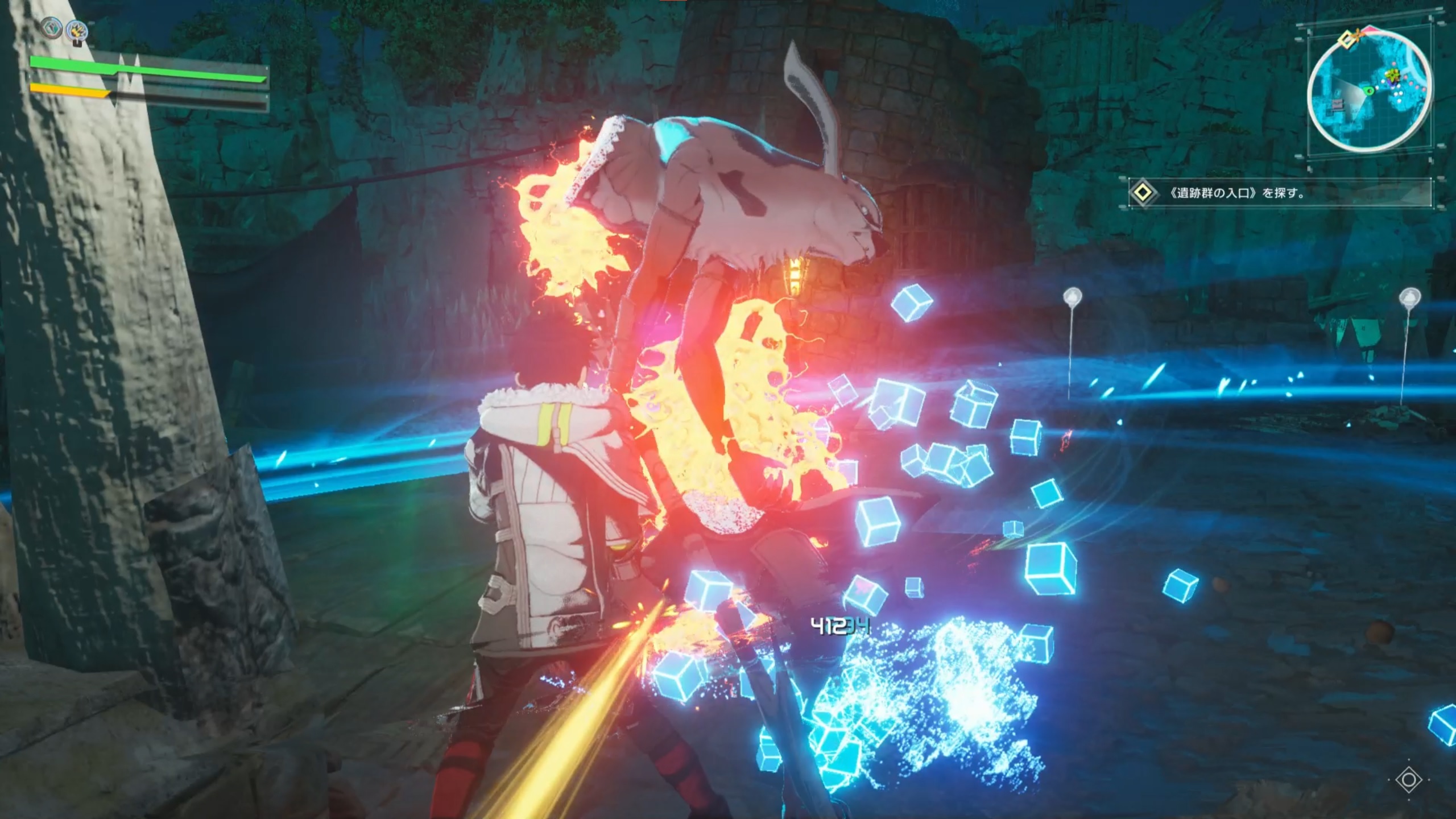
Slice them right in the gut
You can also do Parry / Just Dodge to trigger a Switch Attack from your Partner. Parry is only possible when you equip a Shield, and you can only equip a Shield when you are using Sword / Rapier / One-Handed Weapon. When equipping Dagger / Two-Handed Axe / Two-Handed Sword, you can only use Just Dodge to trigger the switch attack.
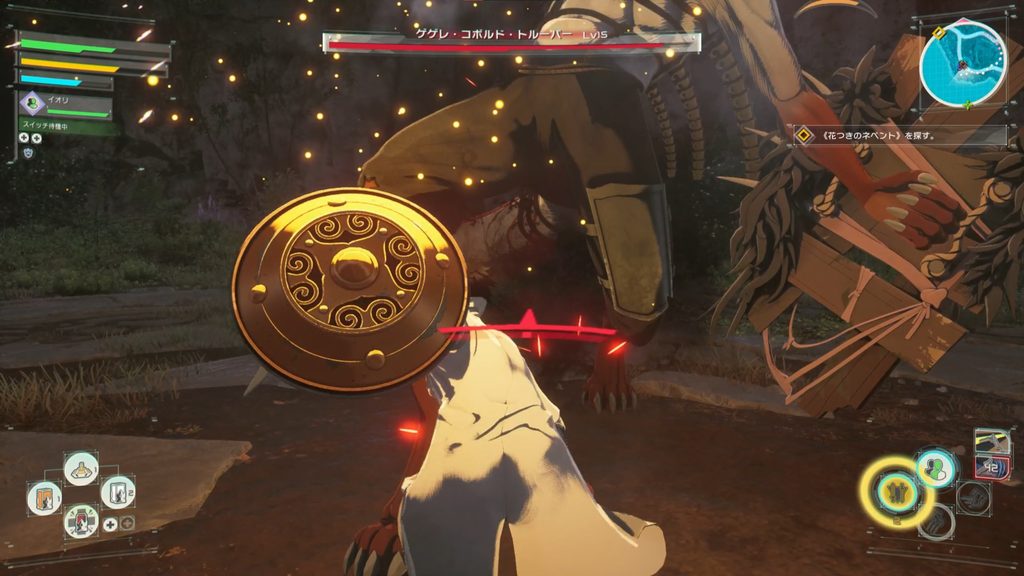
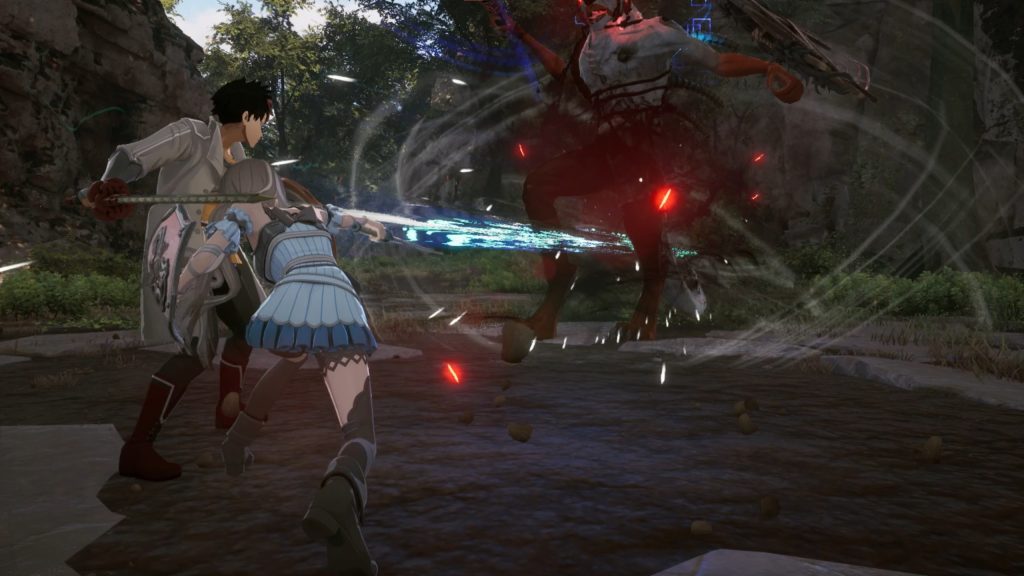
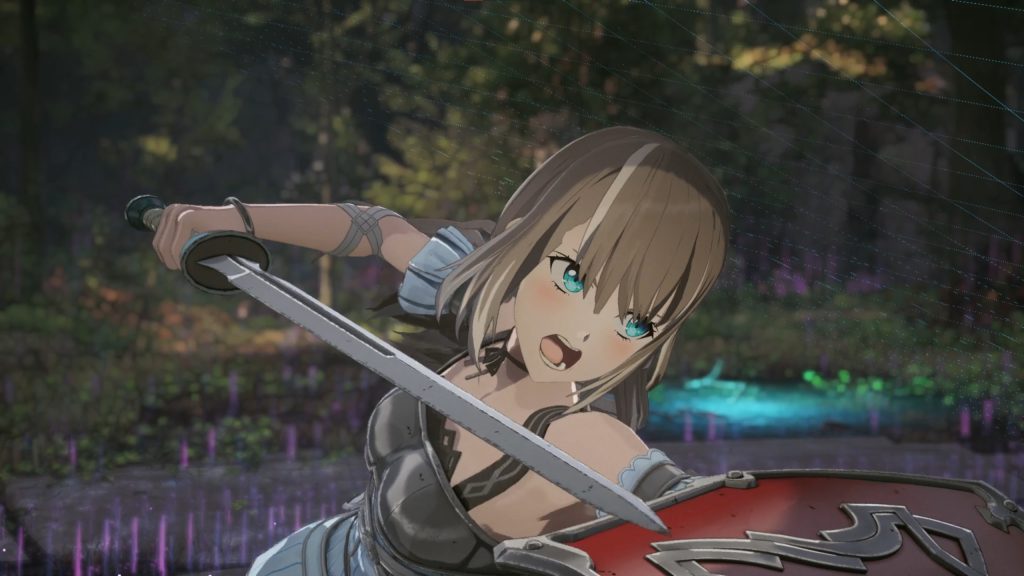
Switching with Iori after a successful parry
On the field, normal enemies spawn randomly, rather than in exact spots like in Soulslike games. Normal enemies are really easy to kill (1 or 2 strikes), and then you will fight some enemies that are considered the “Leader” Enemies. And when you find those enemies, the game will let you know immediately with the alert-like noises and screen distortion, not to mention that the battle music will change as well. These enemies are much, much stronger than those normal enemies, with higher HP, higher damage, and much more variation in attacks.
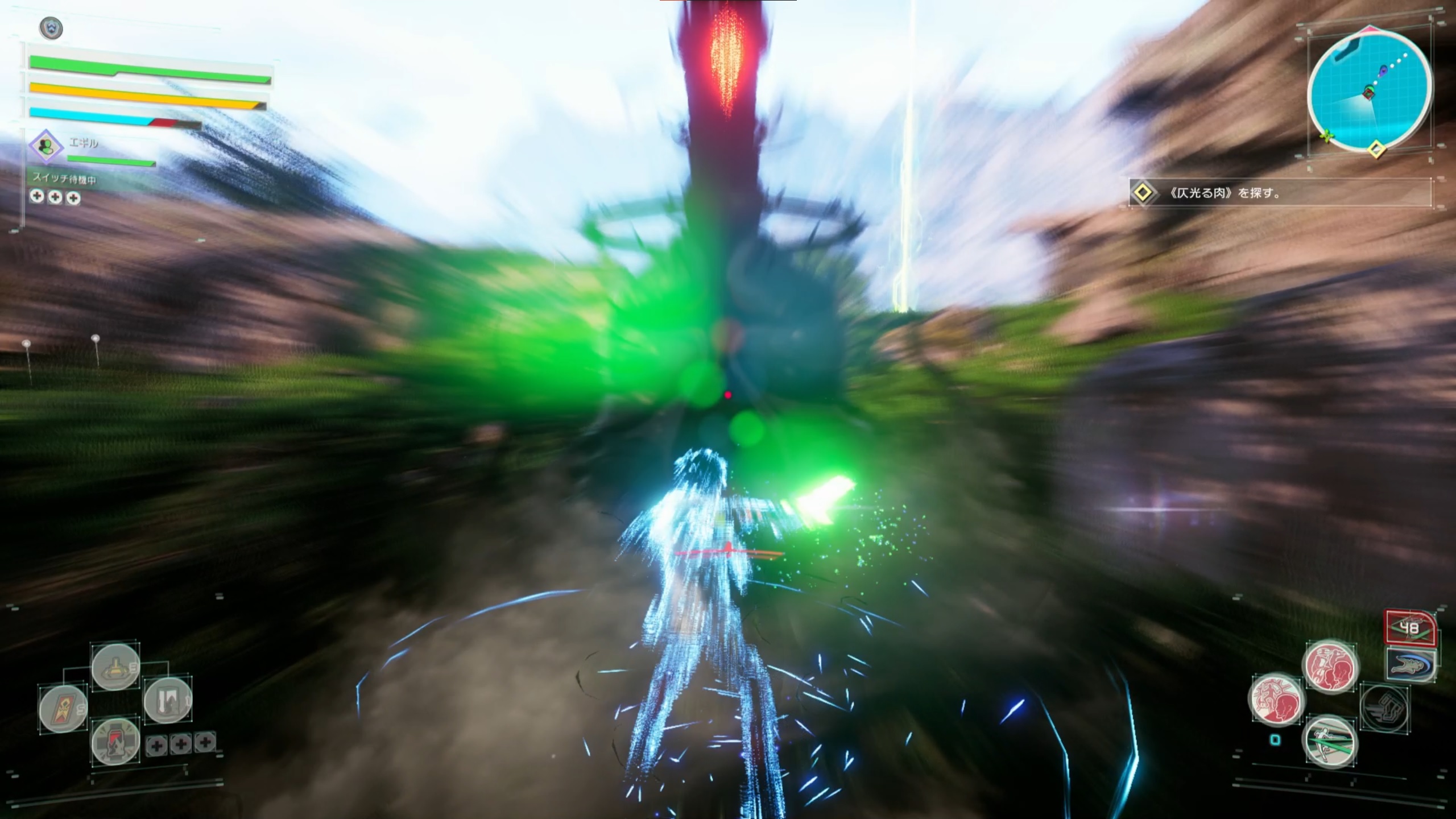
You can see the screen distortion to let you know that you have encountered a stronger enemy.
These types of enemies grant higher EXP point, also better loot. Fight these kinds of enemies over and over to gain levels and better equipment.
And by the end of each quest, you will fight a Boss enemy, sometimes accompanied by several of those Leader enemies to make it more chaotic. And most of the time, these boss fights have multiple phases, sometimes as long as 4 phases.
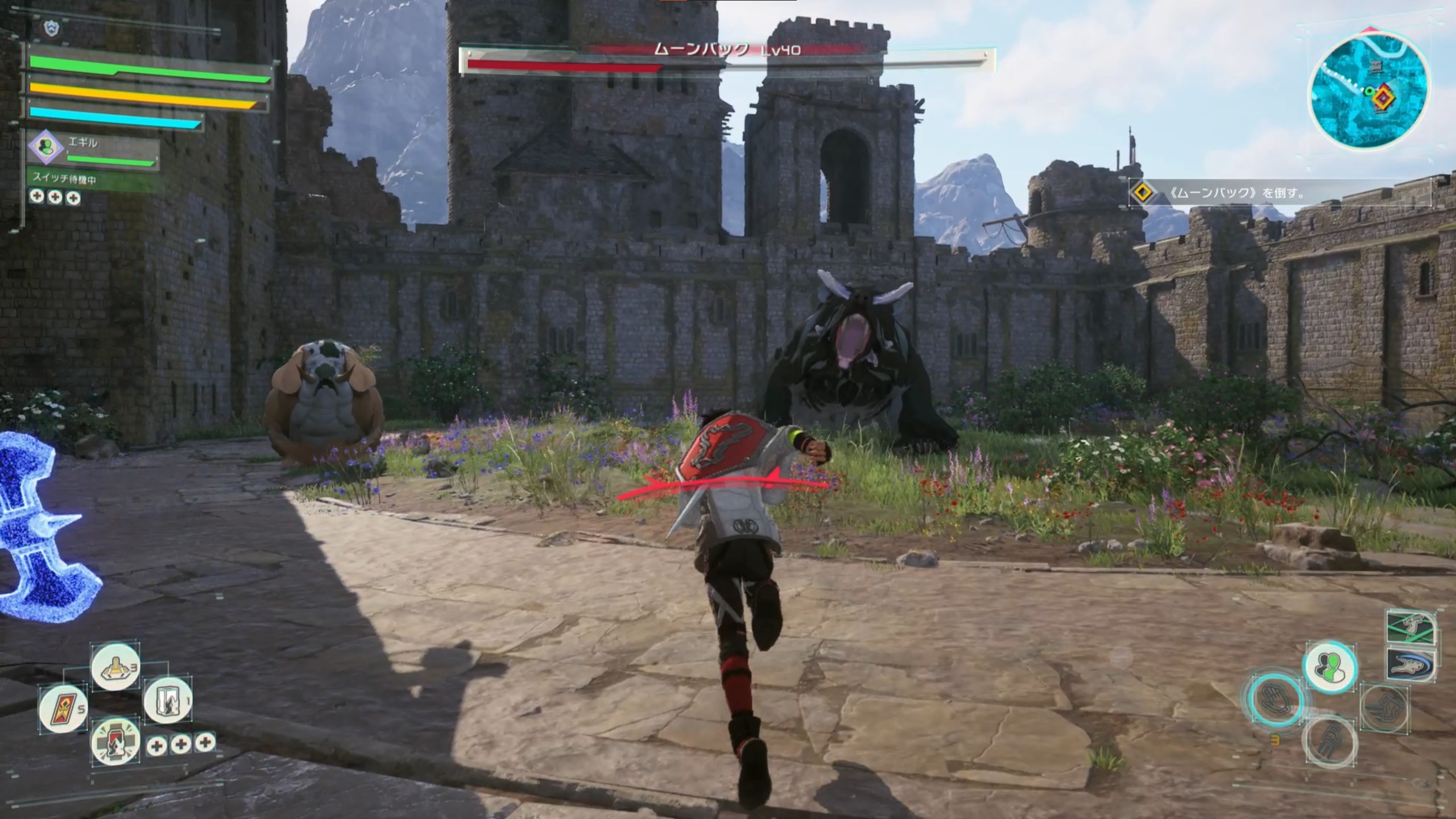
Fighting the Moonback Grizzly + sub-boss
To be honest, The Boss fight itself isn’t that difficult (Maybe because I’m playing on Normal Difficulty), but what makes it difficult is that you will be fighting Boss & Several Sub-Bosses at the same time while you only have 1 partner in the battle; sometimes the screen can get very chaotic with Fire, explosions, and all other effects. I’ve had experience with a Boss Fight where The Boss & Sub-Bosses unleashed an AoE attack that killed me a few seconds into the battle. It feels like they just add the sub-bosses in an attempt to make the fight more difficult.
During a quest, you can only bring 1 character as your partner, but depending on the story, sometimes you will have around 3-5 people fighting together.
Basically, each character has their own unique Combination Skills / Support Skills, which makes them unique. For example, Iori is the only character who can heal you without using your Potion, or Agil can Aggro the surrounding enemies so you are free to attack the boss, etc. Plus, each character has unique Combination Skills, like you can pull out a Stream Edge Combination Skill together with Kirito.
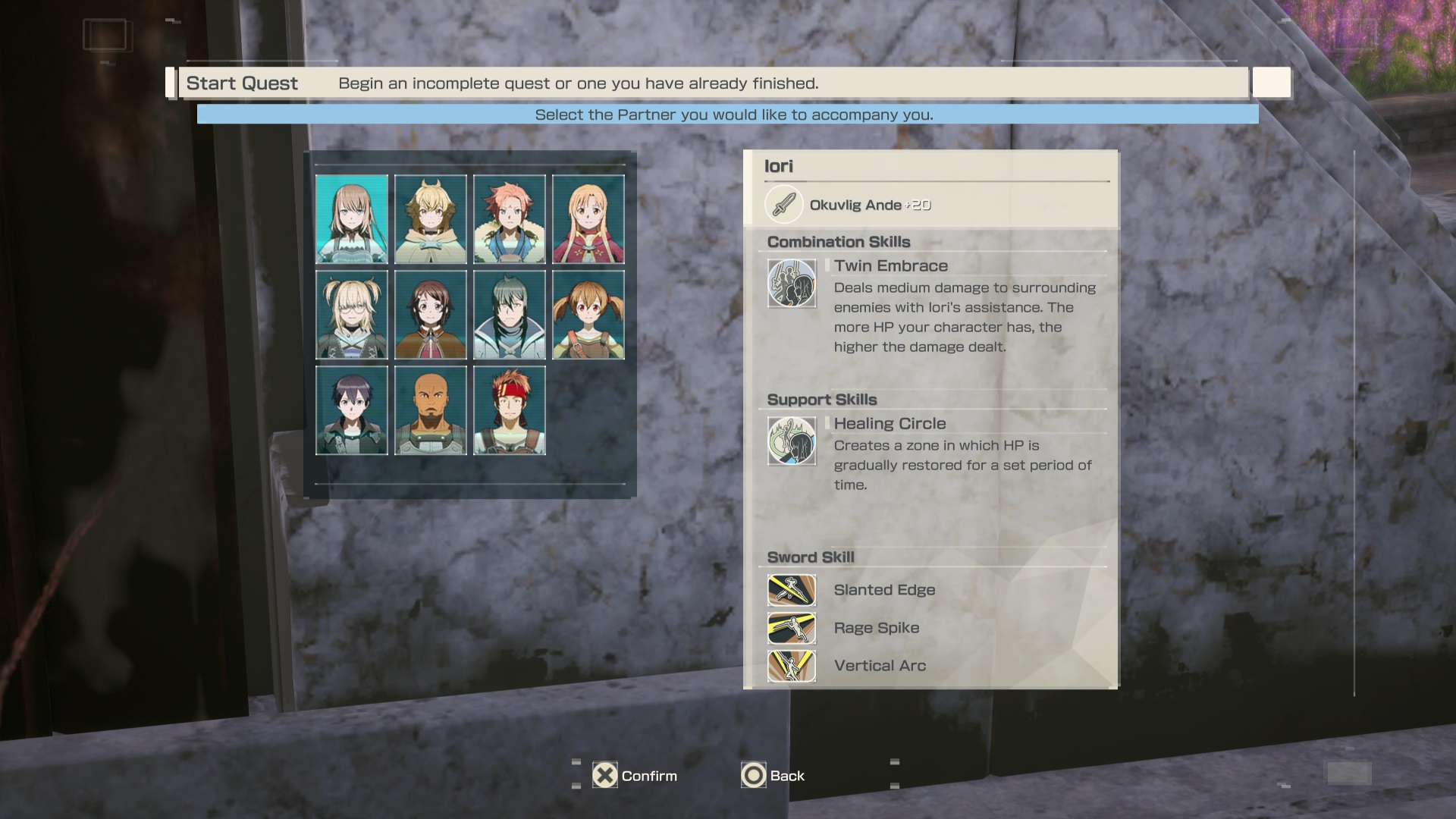
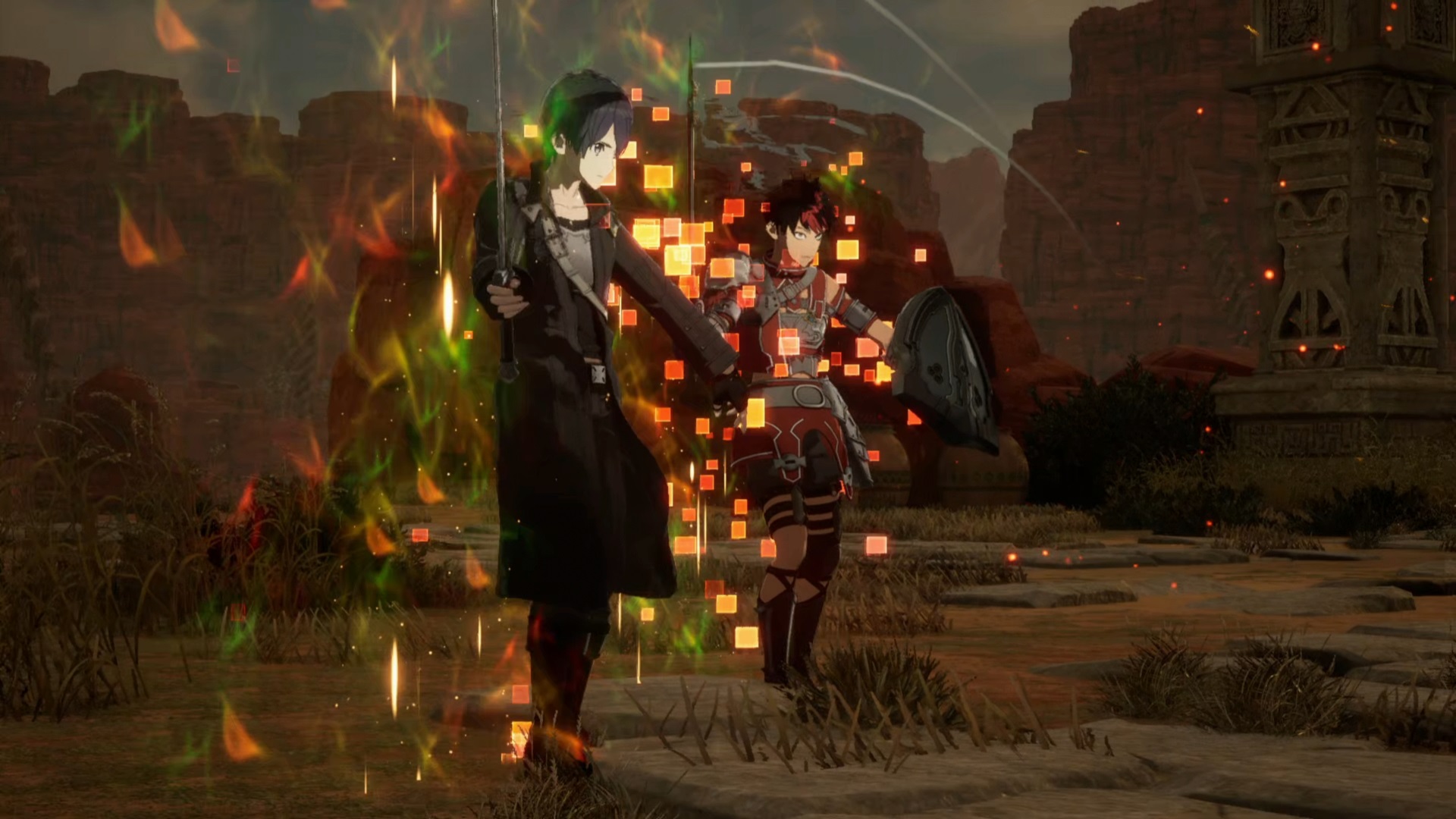
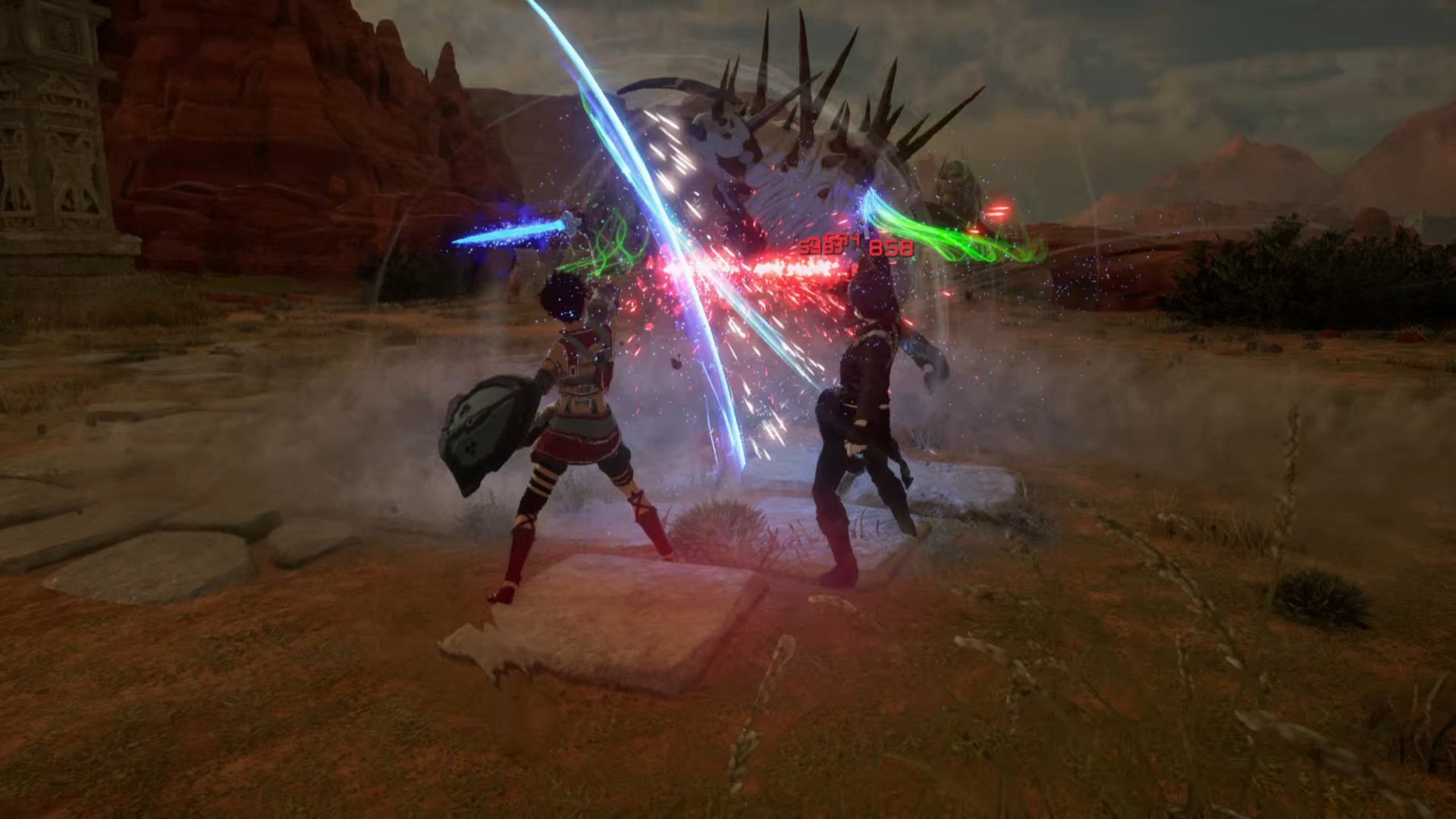
(1)There’s an explanation of each character’s skills in the partner selection screen / (2) (3) Stream Edge attack with Kirito
The last thing that we want to mention regarding the battle is the Enemy Type. Most of the time, I’m just fighting the Wolf or Boar type enemies. This includes the Normal Enemy, Leader Enemy, and also the Boss enemy. The enemy type gets a little better once you reach the second floor, but it basically needs you to go through the 1st half of the game before it gets better. During my gameplay on the First Floor, we feel like most of the Boss fights were against various types of Boar enemies like Raging Boar, Snowcap Boar, etc. Super boring and not that challenging because normally their movesets are similar.
Exploration
For exploration, we found ourselves questioning several fundamental design choices. First of all, the maps for each quest are massively huge, and not in a good way. Story quests and event sub-quests have a huge map that you can / need to explore before you can reach the destination.
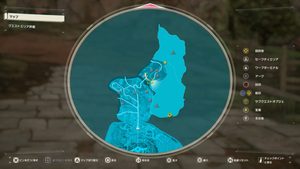
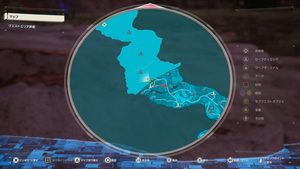
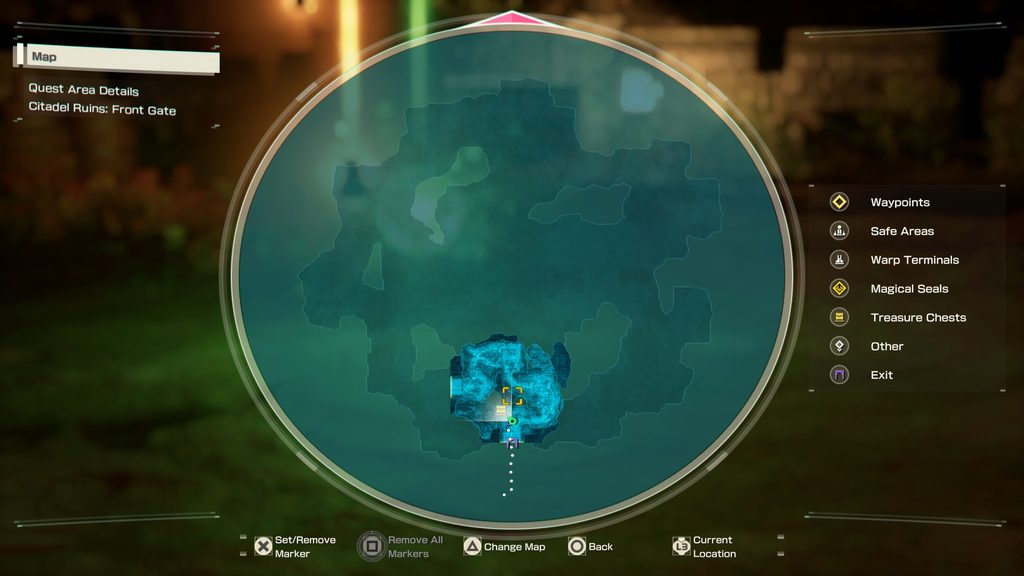
As you can see from the images above, normally the area is covered by fog-of-war, and you can only reveal the map once you activate the Rest Point / Terminal of each area, and usually you can find those terminals almost at the end of the area. And the fog-of-war doesn’t clear even as you explore the area. While we understand that the game encourages players to “explore”, it’s different than the actual SAO system in SAO Progressive, where the map will open up if you explore, and not just through Terminals.
Not to mention the game struggles significantly with navigation.
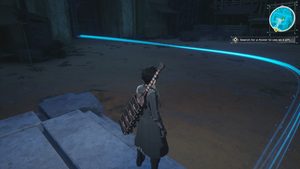
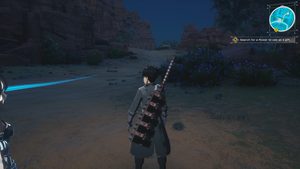
Also, from the images above, once you open a Terminal or teleport to a Terminal, you will see this blue line that shows you the direction of your Main Destination, but after a few steps away, the line is gone and the road branches into several roads. Basically, it’s meaningless.
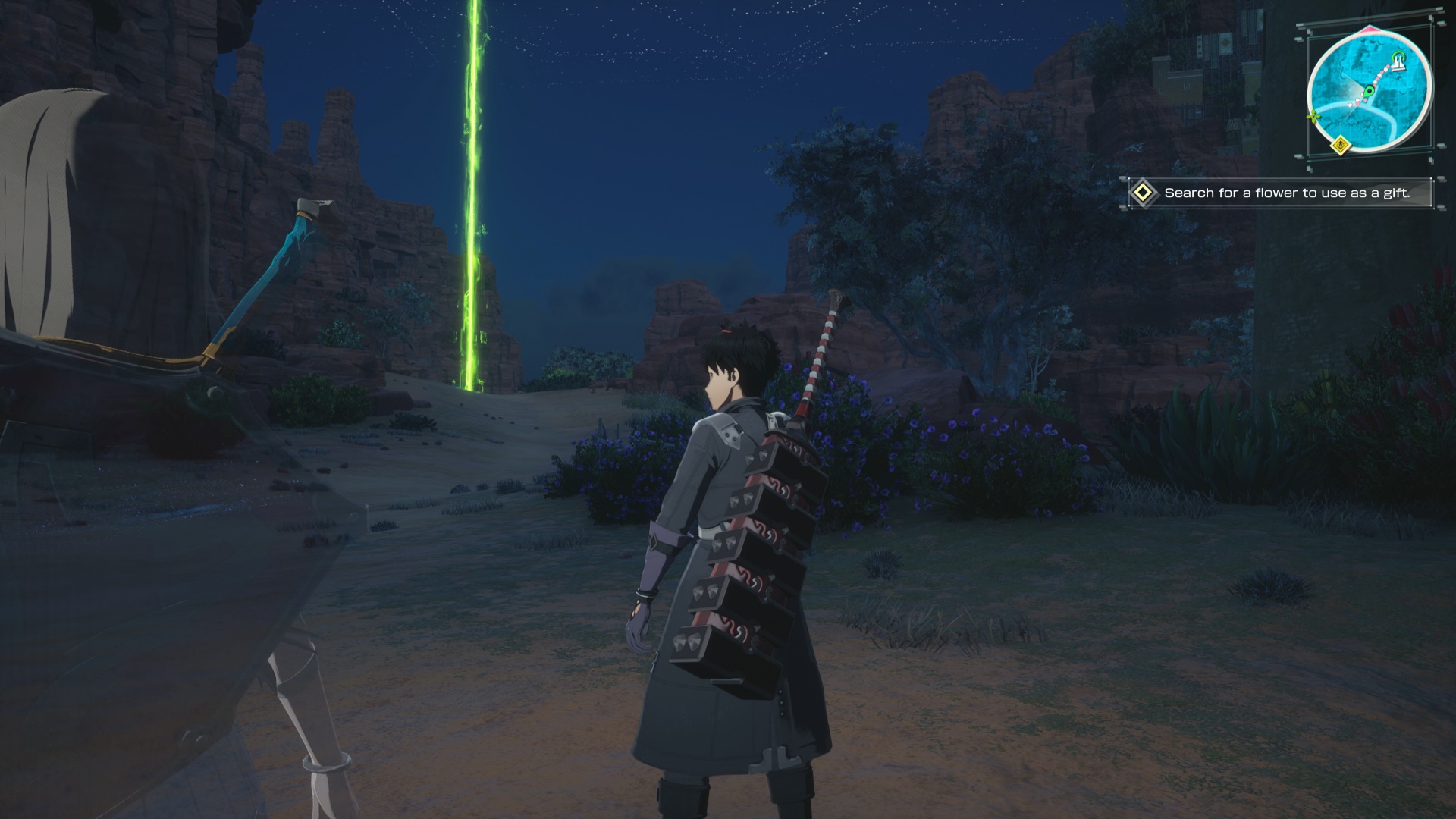
You can put a marker on the world map, and it will show a pillar of light that you can follow to reach your destination. Which only helps 50% of the time because the map itself is confusing. It’s like you can see a Treasure Chest just next to you; you can see the pillar of light, but it’s not a straight line. You will need to circle around, or go through an underground dungeon, or climb a mountain first before you can reach it; it’s just confusing and time-wasting. This also connects to what was said in the Story section, where the pacing suffers. Because the map is just super confusing and unnecessarily huge, without any purpose. And sometimes, to open a blocked path, you need to defeat mini-bosses by activating the Arks.
We have to spend 1-2 hours exploring the map (If we didn’t get lost during exploration) before we can see the continuation of the story. We genuinely think that this design is just to make the game have a longer playtime, and the people who designed the maps and navigation systems don’t respect our time as players.
Another thing that we want to mention is that we need to bring several items during quests to be able to fully explore the map / to get all the Treasure Chests. Sometimes the road is blocked by some boulders or bushes that you need to Bomb Stone / Flame Stone to clear. Also, the Blink Talisman is needed to cross a large gap. The Luminous Talisman is an option when you are exploring a dark area (It will illuminate your surroundings for 3 minutes). So basically, you need to bring Bomb Stone, Flame Stone, Luminous Talisman, and Blink Talisman every time you are exploring, and there’s a limit on how many you can bring (3 or 5).
During my early hours in the game, we thought that exploration gives us good rewards, like Weapon / Armor Recipes so that you can craft them in the Blacksmith. After 10 hours, you realize that those recipes are basically meaningless. You will still receive all of those weapons through loot drops from enemies & bosses, and you will receive lots of duplicates. There’s no reason to craft a weapon in this game. We finished the game without crafting a single weapon. Armor, however, remains the sole exception where crafting recipes are actually required to obtain new gear.
Growth Progression / Equipments
As for the Growth Progression, it’s using that system where you have to distribute the Growth points you receive when you level up to the attributes you want to increase.
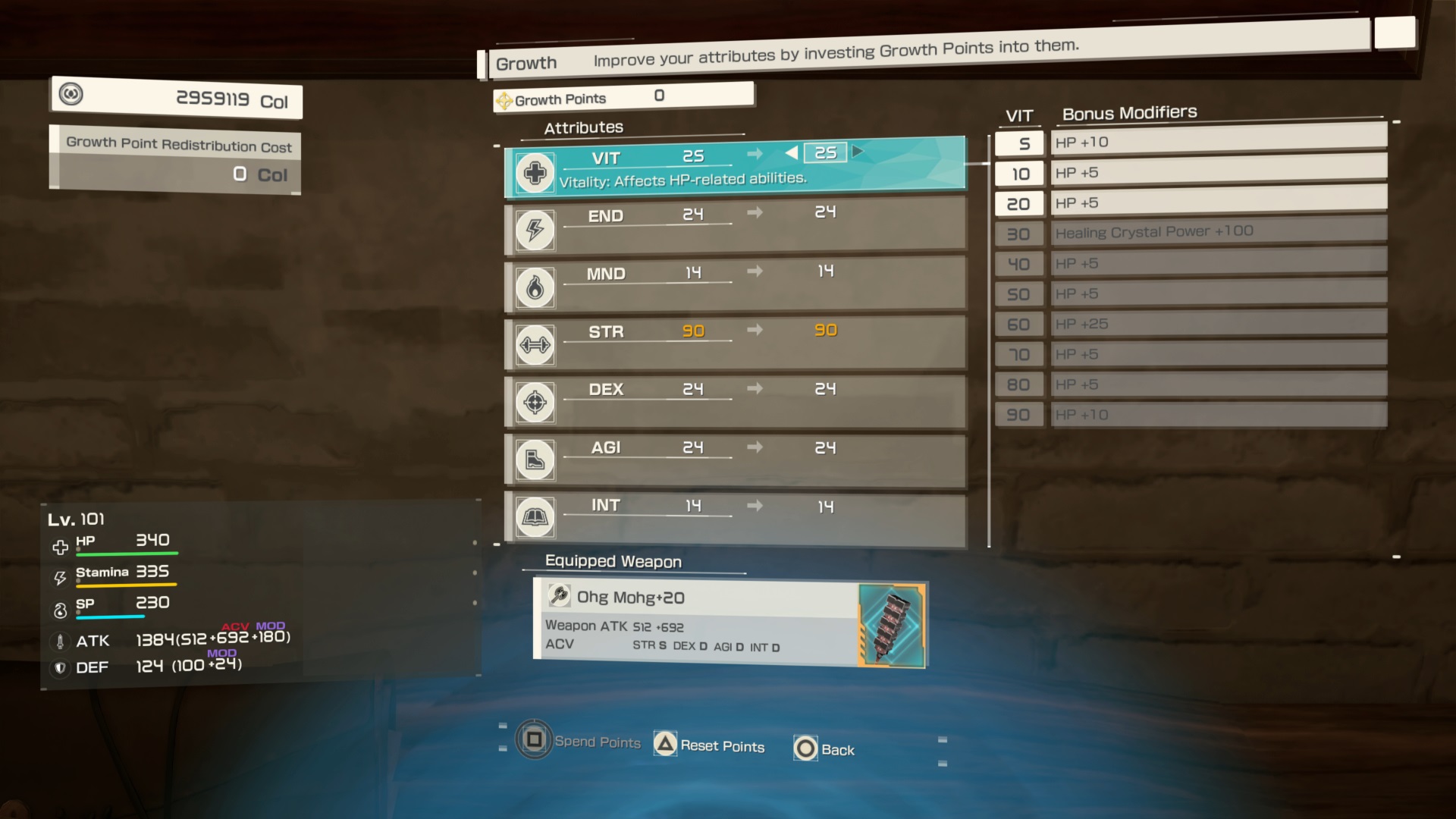
Here is my Lvl.101 Character with the attributes
You will gain 2 points every time you level up, and you can increase whichever attribute you want. With a maximum stat of 90 for each attribute. Also, apparently the maximum level for this game is 200, but we gave up reaching the max level after reaching 100 because it’s a chore. The game also gives a good hint regarding the Bonus Modifiers. As you can see from the image above, after your attributes reach a certain point, you will get a bonus modifier; it’s an HP+ or ATK+ or etc. We just focus on ATK because we want to obliterate the enemies as fast as possible.
But what’s good about this is that you can re-spec your attributes whenever you want! Not like any other RPG where you will need a certain item to be able to respec your character; you basically can respec the attributes anytime you want from the same menu.
Another thing worth mentioning is the equipment variation in this game.
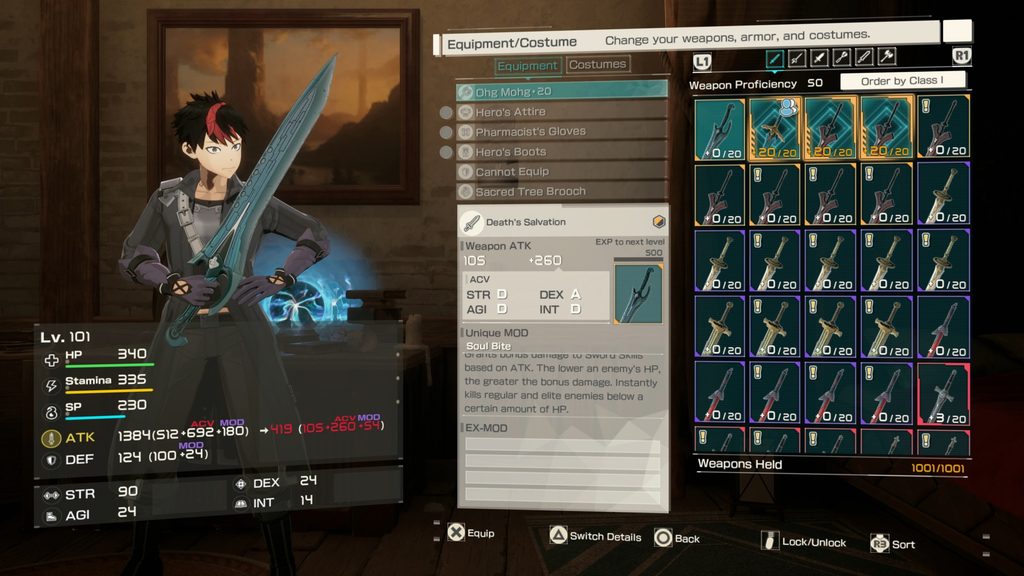
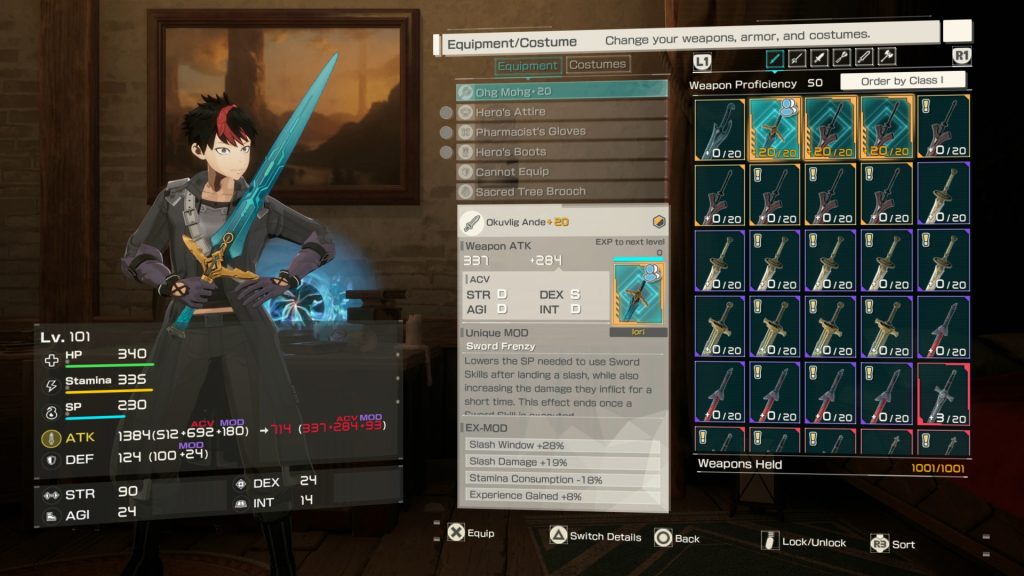
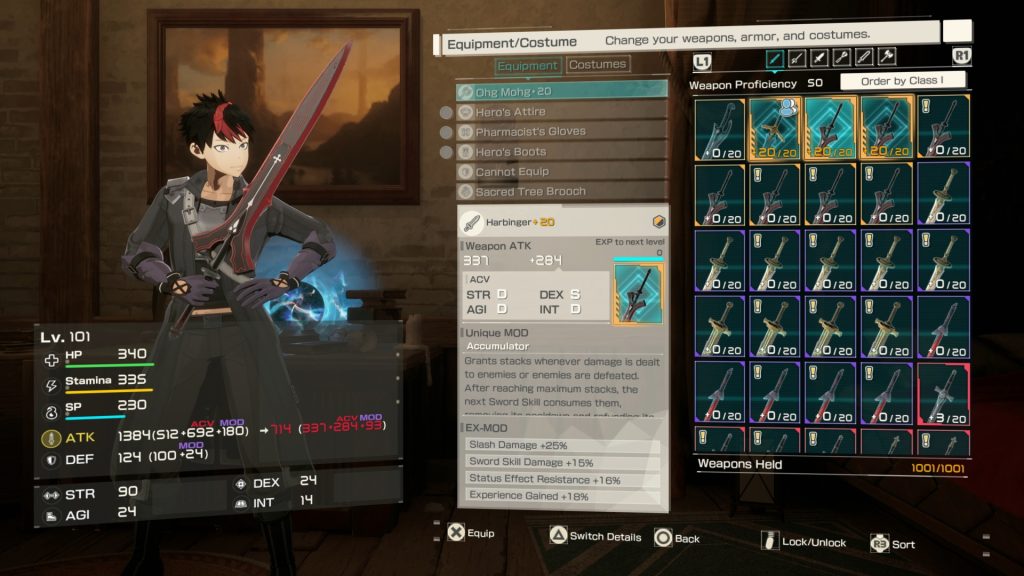
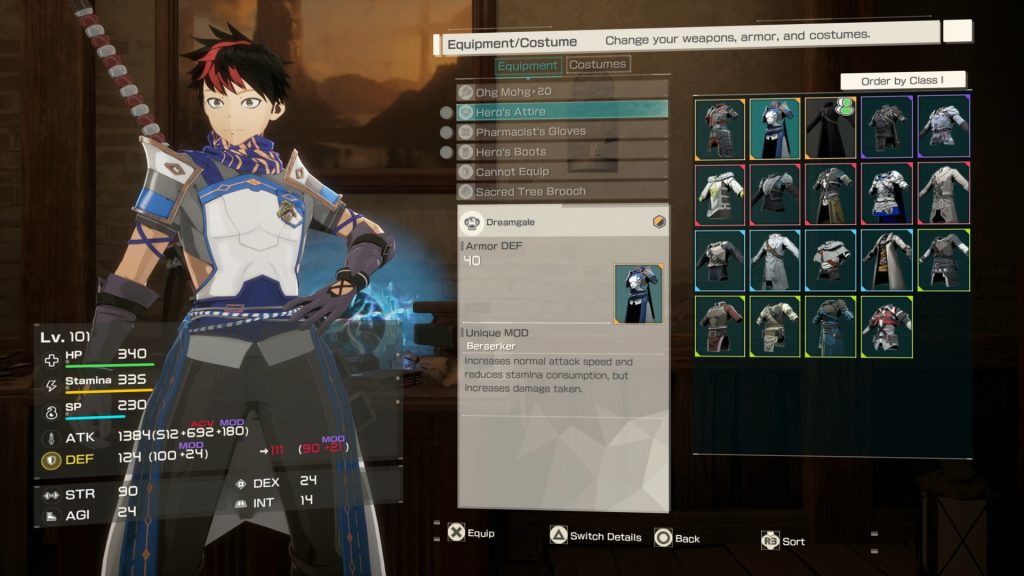
Every piece of equipment you equip, whether it’s the armor, gloves, boots, shields, or weapons, shows the change visually. You can also just change the cosmetic to whatever you want without changing the actual equipment through the Costumes menu.
Every piece of equipment feels really different, because every piece of equipment have their own Unique MOD to match your playstyle. And it’s not just limited to weapons, but also armor, gloves, boots, and shields.
Now that we’ve talked about the good part of it, I’d like to talk about the bad part of this section.
It all comes down to the Chest in your room. You will never be able to increase your attributes or change your equipment when you are on a quest. So if you leveled up during the quest, you need to go back to Town before you can increase your stats, which is a totally questionable game design.
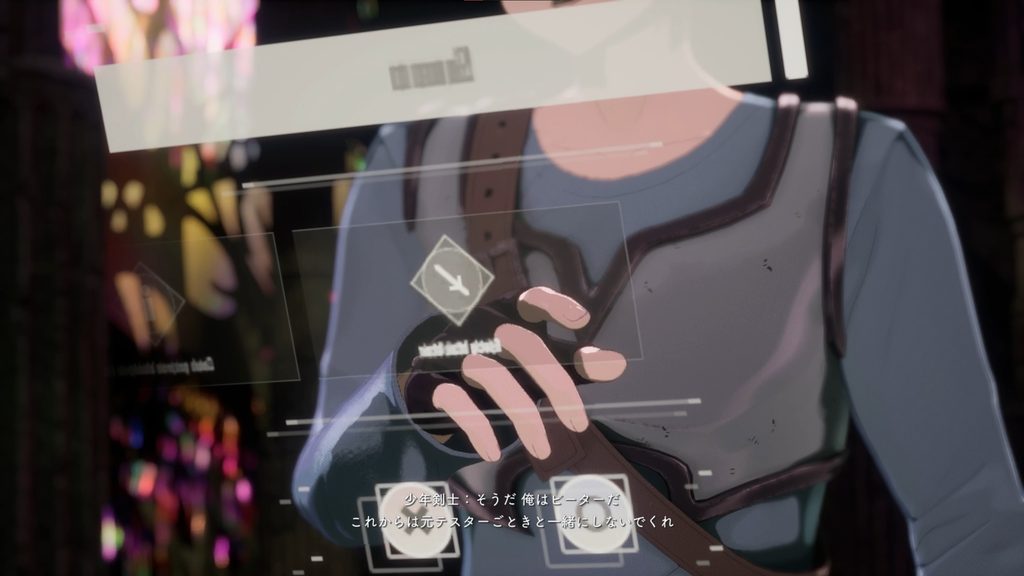
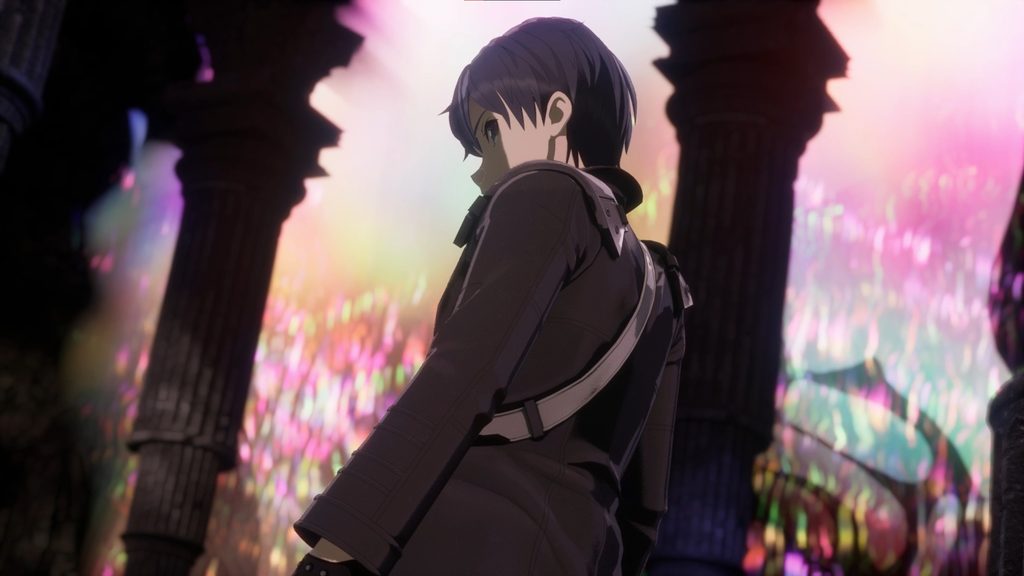
Kirito casually flexing that he can change equipment inside a dungeon/quest
Even the game itself shows that Kirito can change his equipment inside a dungeon immediately; it just doesn’t make sense that we can’t do the same thing and have to head back to the town first before we are able to do that. It’s just not in line with the lore and system of the actual SAO.
This is supposed to be an MMORPG (in their reality), and for a title simulating an MMORPG universe, restricting equipment swaps and stat distribution strictly to safe zones actively hinders character progression during long dungeon runs.
Sub-Quests
Last but not least, I’d like to discuss the Sub-Quest system in this game.
Besides the Main Story quest, you can talk to some of the NPCs in the town to get a subquest. The game is pretty generous in letting you know that there’s a sub-quest that you can take, whether it’s an Important one or just a regular sub-quest.
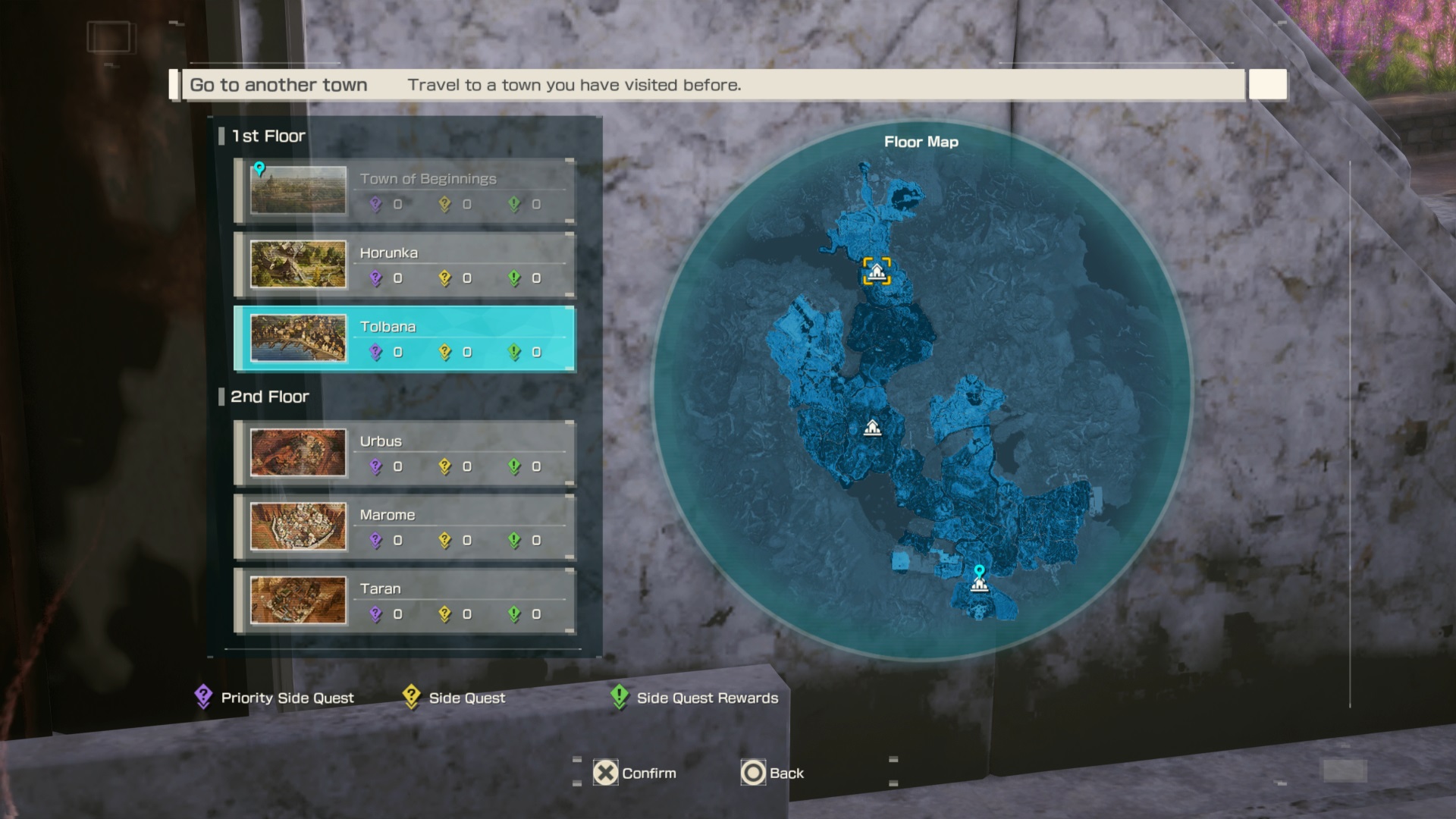
You can see how many quest markers are available in each town from the Main Terminal.
Basically, the purple marker is the unique quest, which will give you an “upgrade” in terms of gameplay. The yellow one is the Main Quest marker, and the green one is usually the normal sub-quest marker.
I’d suggest you finish the Purple one when it’s available. It will give you an extra playable partner (like those from the original SAO series), increase the number of healing potions that you can bring into a quest, or just a new gameplay aspect like Costumes. The green quest usually just gives you items or Col (money in this game). Then again, by the end of the game you won’t have any problem with Col; We have like 3 million Col, because we never buy items on the Item Shop other than the Bomb Stone, Flame Stone, Blink Talisman, & Luminous Talisman. Having money in this game doesn’t make you great or anything, because there’s virtually nothing worth buying late-game, as superior equipment drops directly from monsters. Also, we have never used any other items during combat other than the healing potions.
Dungeons
During your gameplay, you will also encounter dungeons that you have to clear. And the dungeons itself is Roguelike, which means that they will be different every time you access them.
This is what it looks like inside the dungeon; the map will open up as you go into the next area.
It’s good if you want to level up, but it’s annoying, especially when it’s a multi-level dungeon, which means you have to clear and explore 2-3 maps before you can actually clear the dungeon. The design is simple; you just need to make your way to the next map, which is usually in the top area of the fog-of-war map. But again, the area is just confusing. Sometimes you don’t know whether you need to go from the lower level or higher level to reach the next area. This leads to wasted time trying to reach the next map. Randomizing dungeons layout feels like lazy work.
Monument of Life
Lastly, we want to highlight one of the most interesting systems they have in this game, which is the Monument of Life.
You can access the Monument of Life in the Town of Beginnings
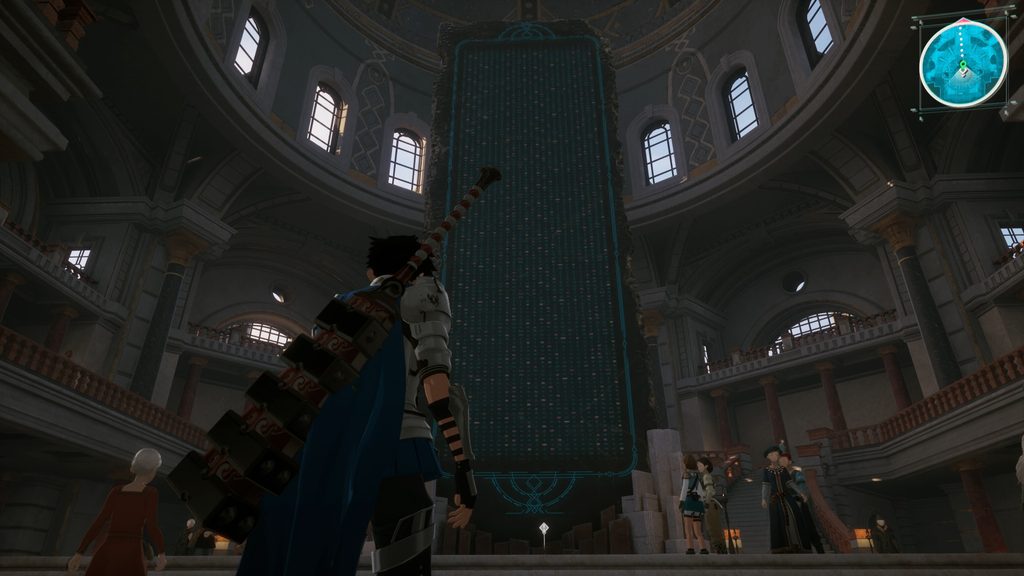
Here, what you can do is you can perform a search and to check the status of players in this game to see if they are alive or dead.
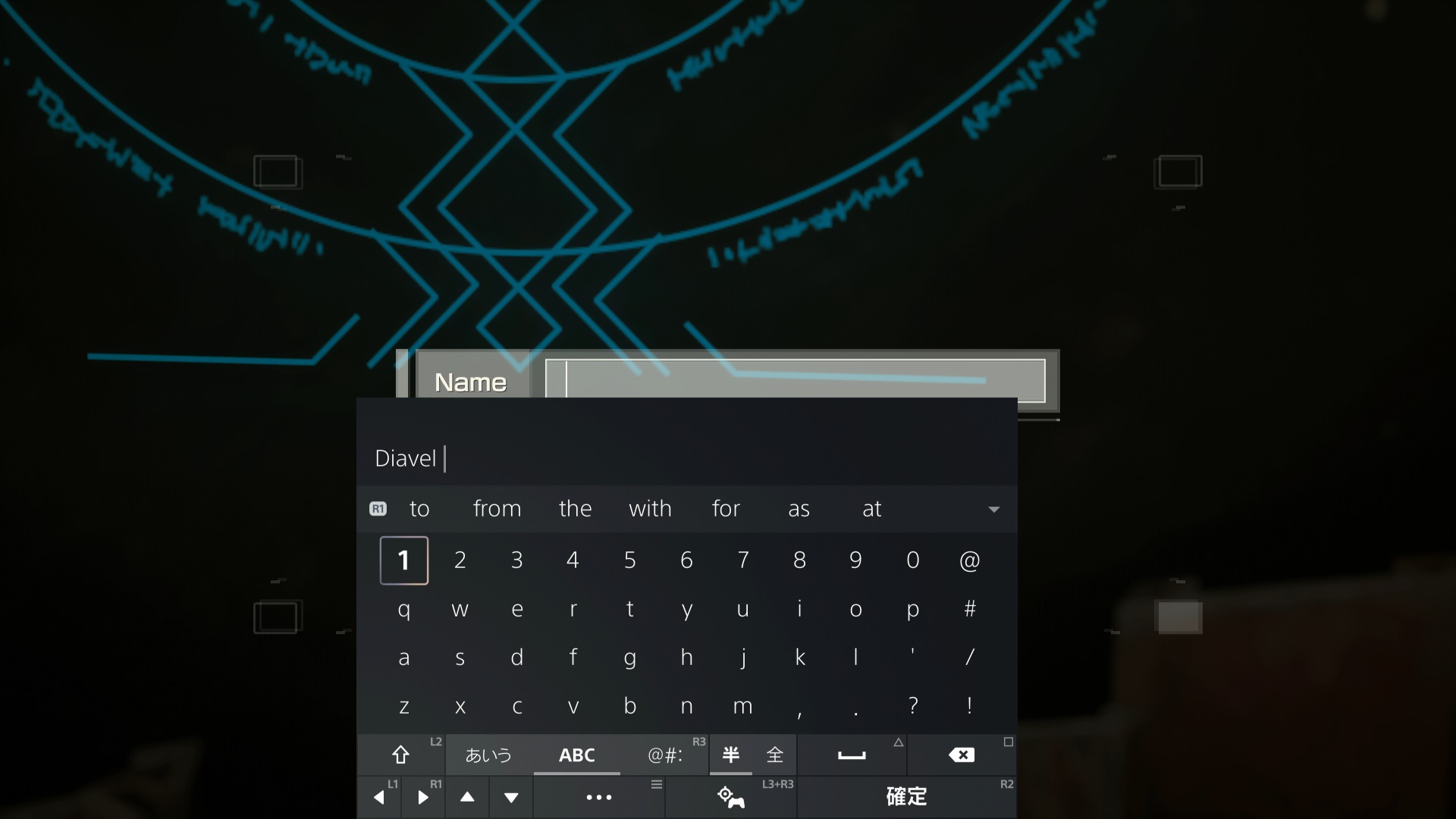
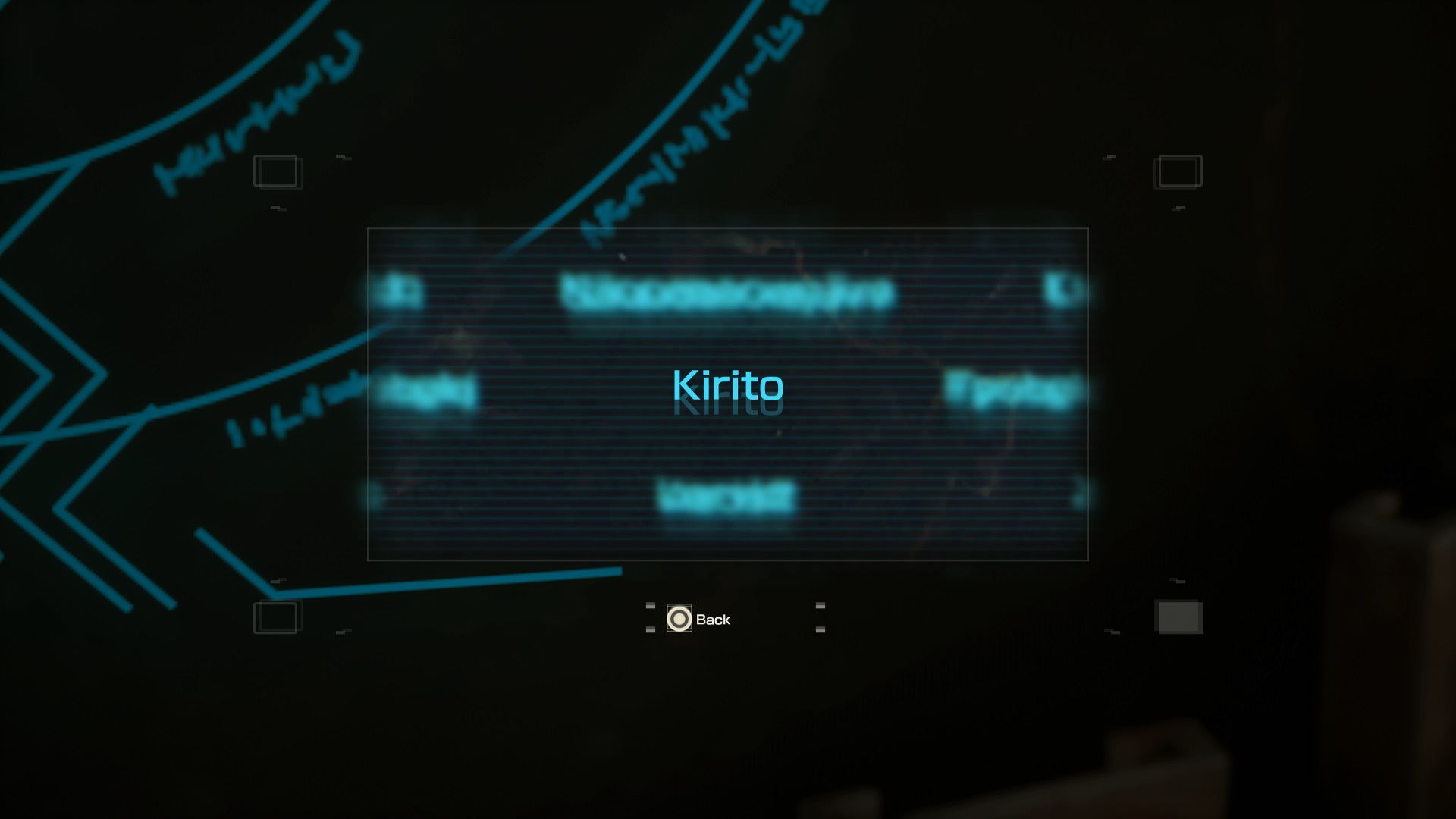
If they are alive, then their name will be shown in normal green color, but if they are dead, then you will see a red line crossing their name with what caused their death. It’s just a good easter egg, where you can check the names of other SAO players you know, like maybe Diavel, Cal, Kirito, Asuna, etc. We just think it’s interesting because you need to enter their names manually in order to get the information.
Graphics & Performances
We got the chance to test this game on 3 PlayStation Devices.
・PlayStation 5
・PlayStation 5 Pro
・PlayStation Portal
The game has 2 different graphics modes that you can choose: Prioritize Quality or Prioritize Performance.
One thing to note regarding this game is that it’s not a PS5 Pro Enhanced title. For a game that is released in July 2026, especially given the recent announcement of PSSR 2.0. It remains a strange omission, particularly since two months have passed without an official PS5 Pro enhancement patch.
But it does benefit from the raw power of the PS5 Pro, as it gives minor enhancements in graphical fidelity and resolution headroom through the PS5 Game Boost.
You can see the official graphics & performance taken from their website.
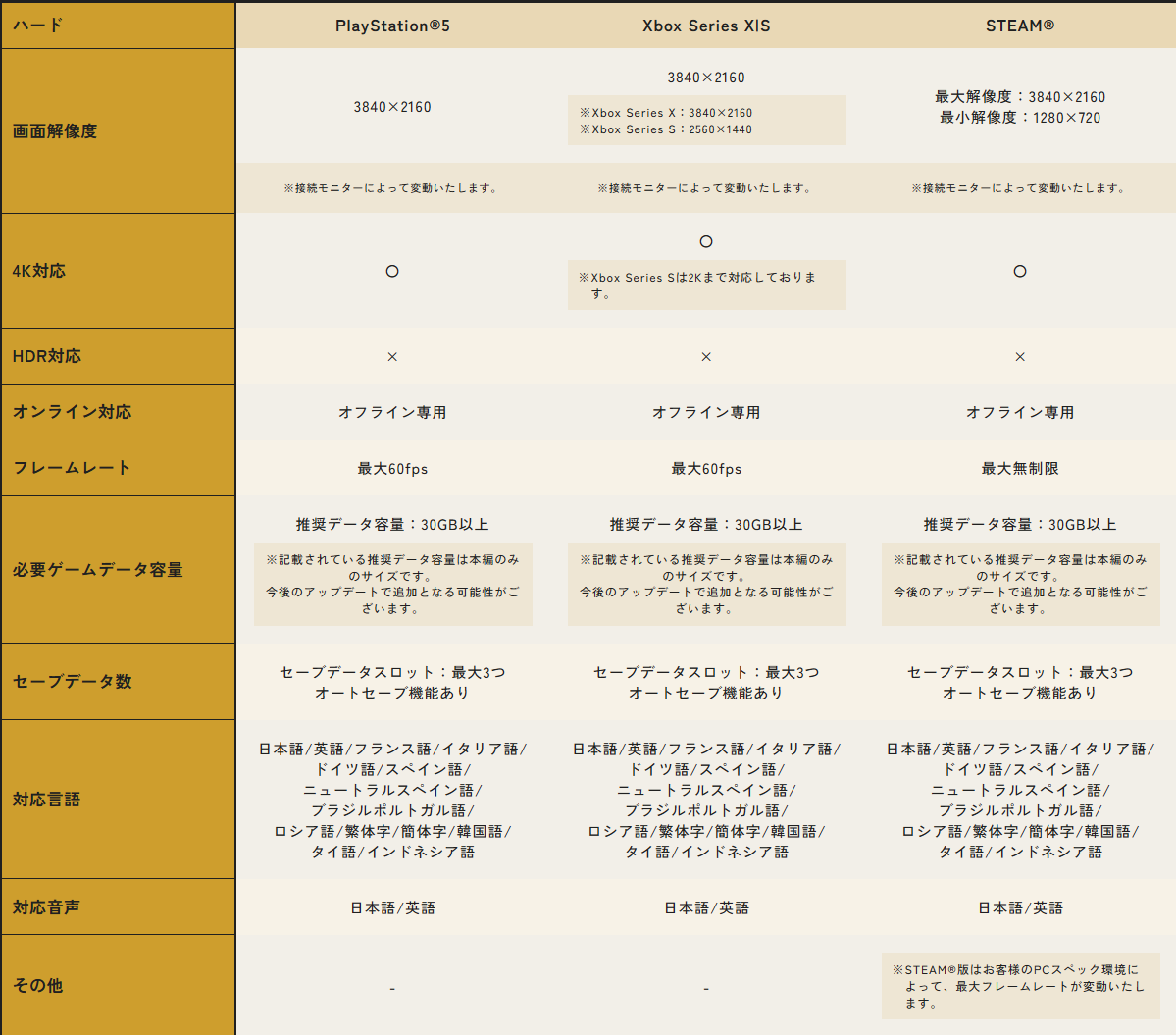
On the base PS5, the game targets a 4K resolution at up to 60 FPS, though frame drops still occur during enemy-dense boss battles across both Quality and Performance modes. The PS5 Pro offers noticeably tighter frame rate stability, though brief dips aren’t entirely eliminated.
Xiphos Gaming took the time to make a comparison between Series X & PS5 Pro on both Quality & Performance modes. To be honest, personally, since both modes are in 4K Resolution, the primary difference lies in environmental texture quality. However, for an anime-styled title, ultra-high texture fidelity isn’t a game-changer. A rock-solid 60 FPS is far more critical for a fast-paced action game.
Lighting consistency is another notable issue. Dungeons and caves suffer from aggressive darkness, while outdoor towns under direct sunlight appear harsh and overexposed. This likely stems from poor HDR calibration or unoptimized Unreal Engine 5 Lumen settings.
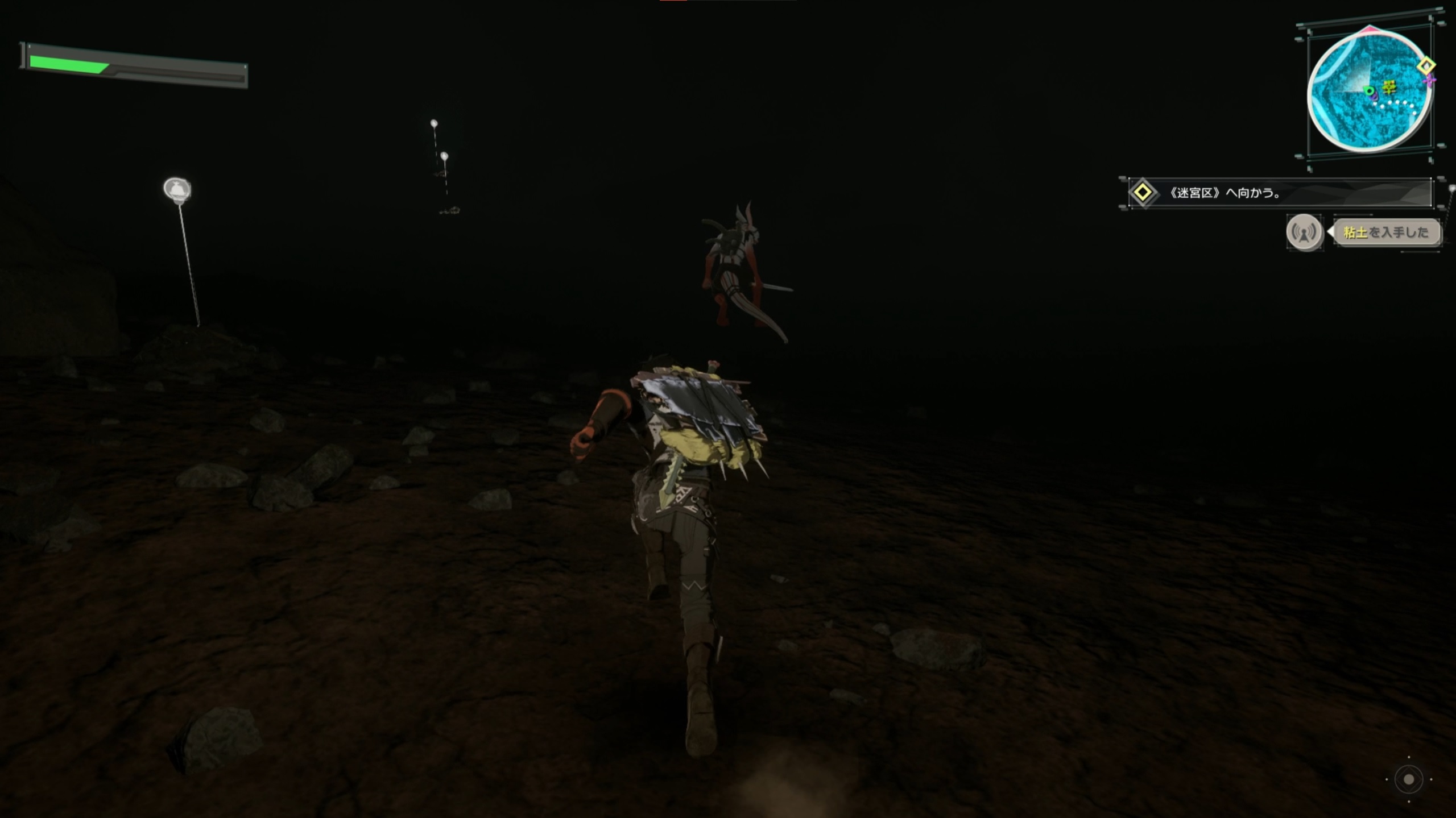
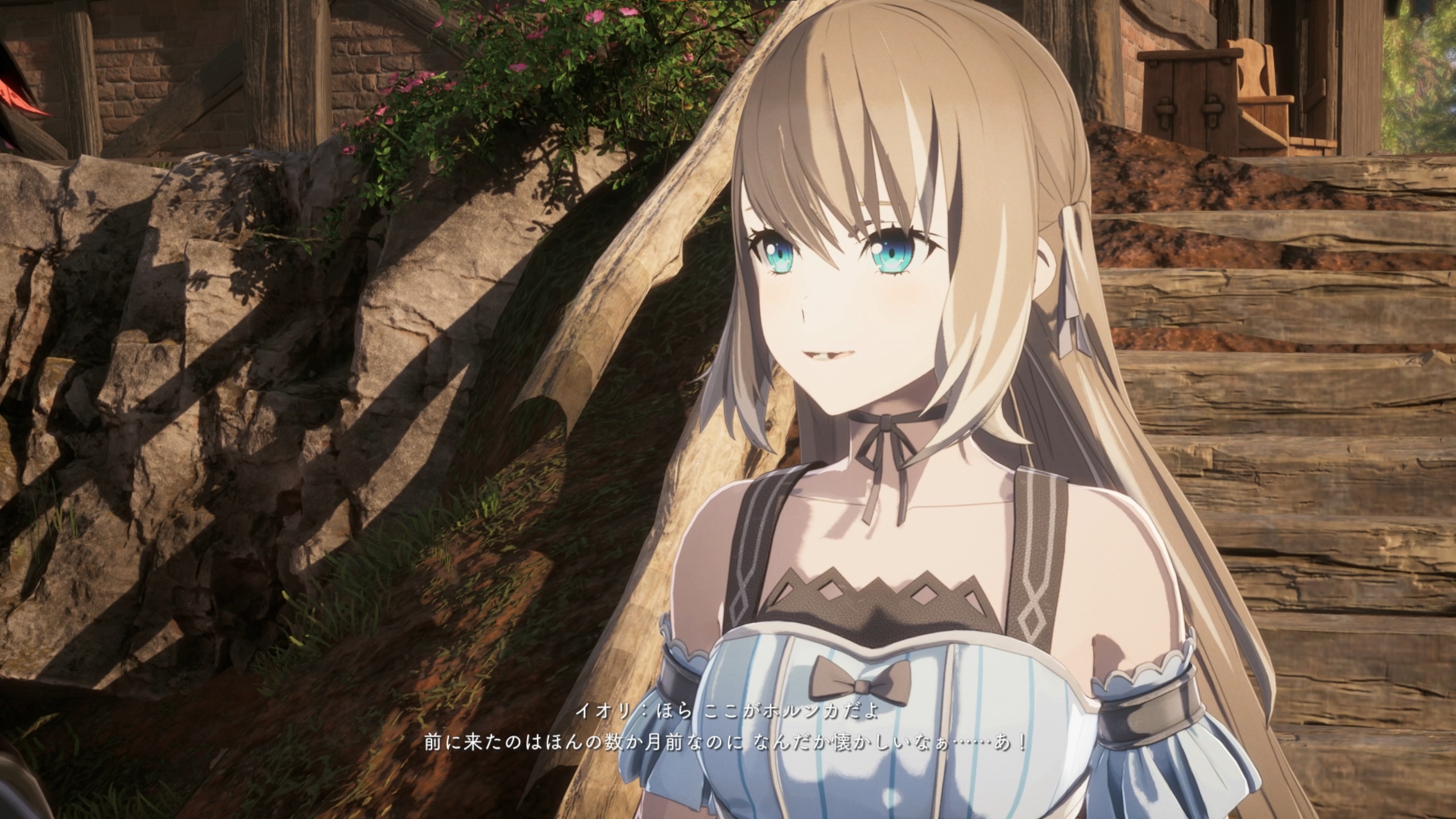
This is what it looks like inside the dungeon, and look at the bright face of Iori. This is on the default brightness setting.
But that aside, one thing that we must praise about this game is how good the original character models are, and their eyes and the face expression. Even during battle, it still looks good.
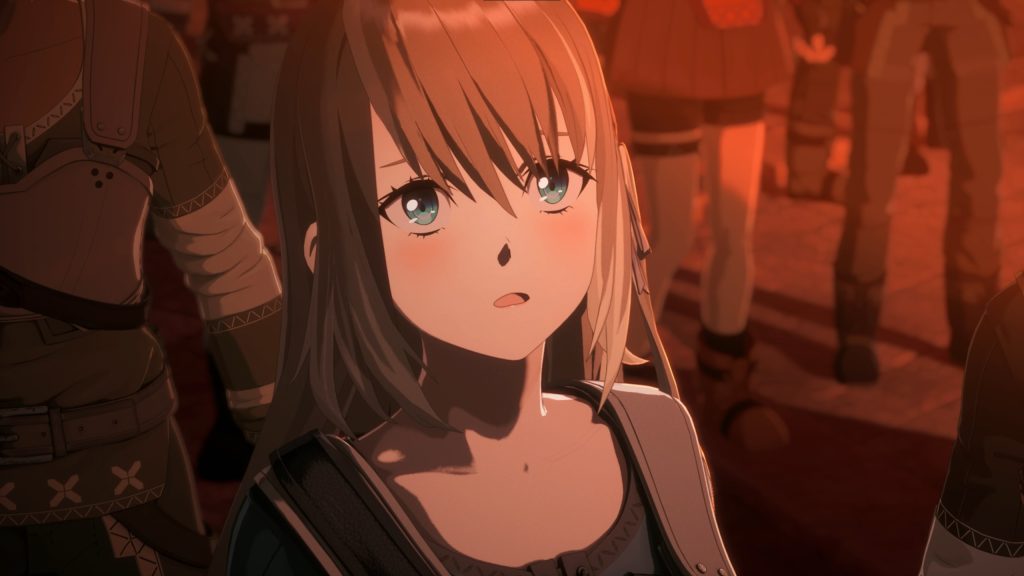
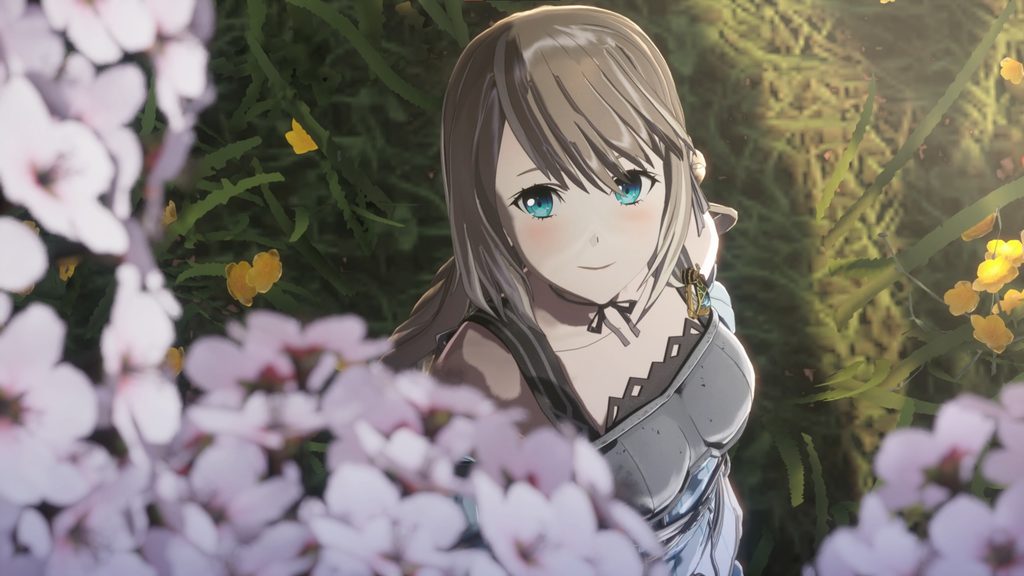
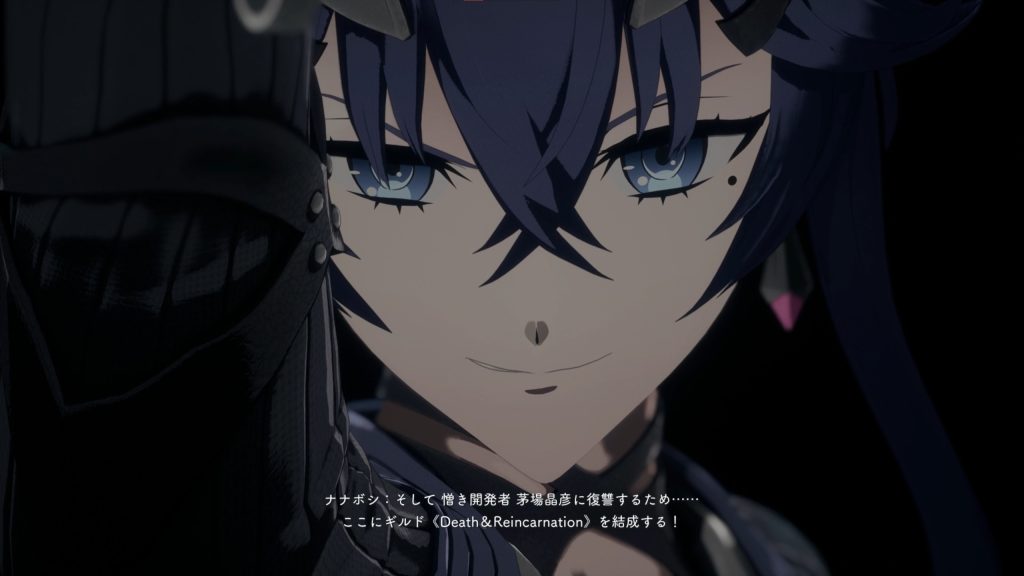
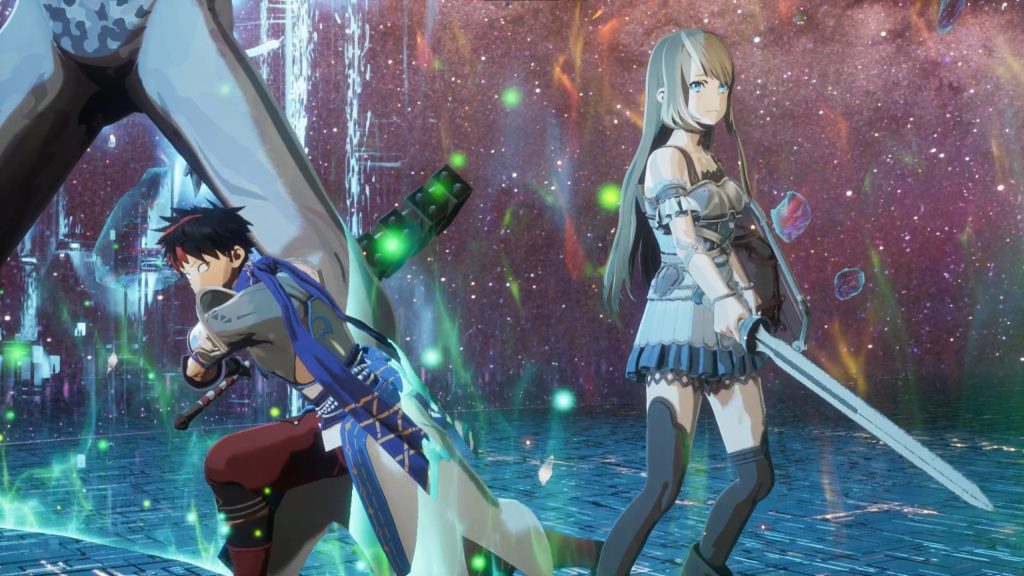
The landscape looks good too, but it just gets stale soon because there’s not so much variation in the fields. It was either Forest / Grassy Fields or Mountains / Valley area; it’s good but nothing to be awed about.
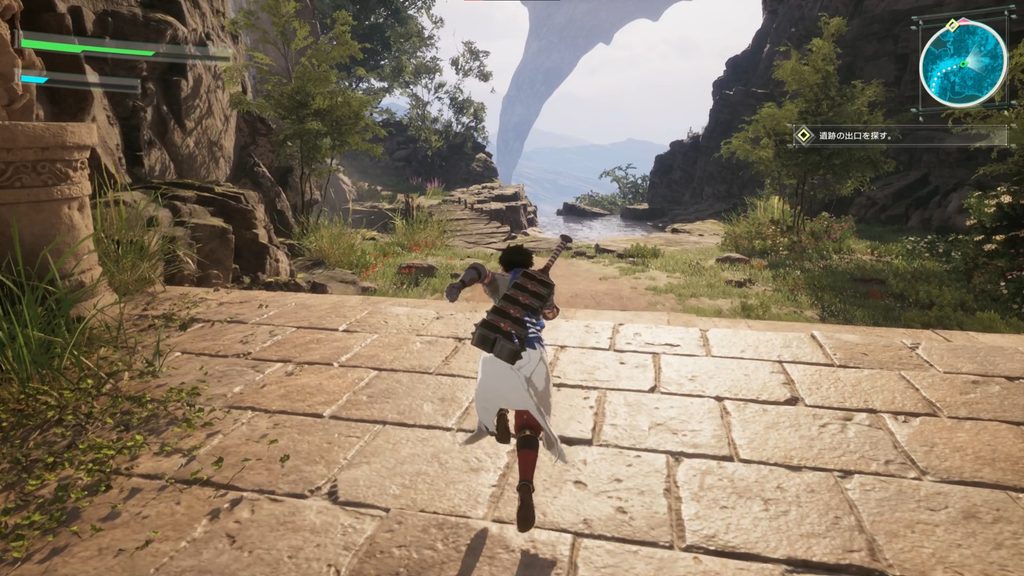
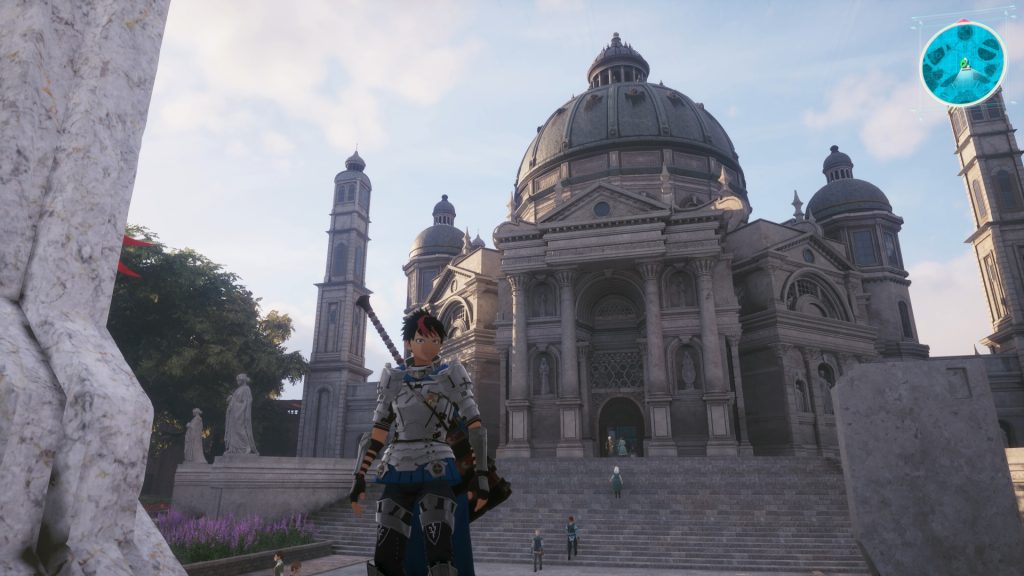
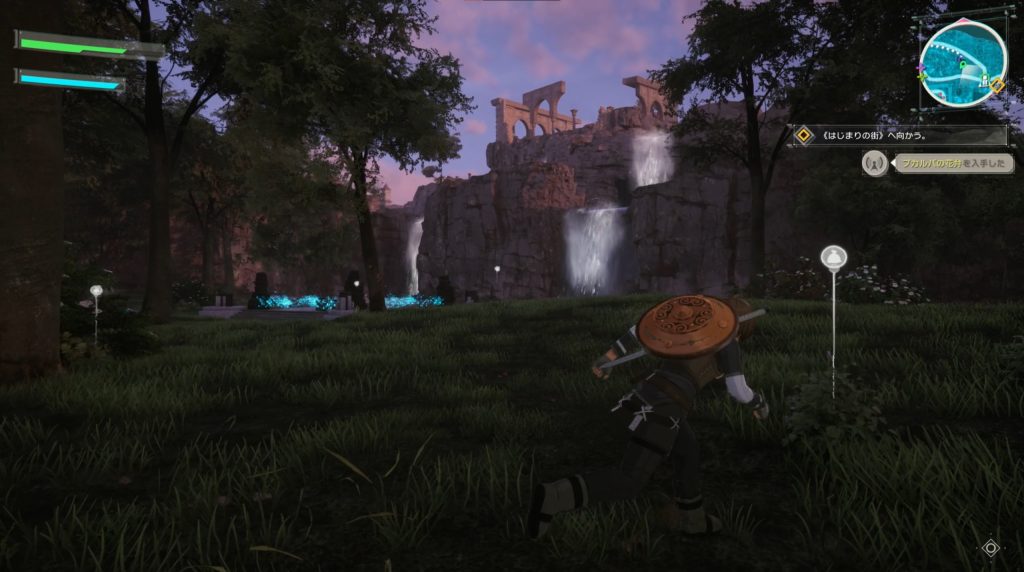
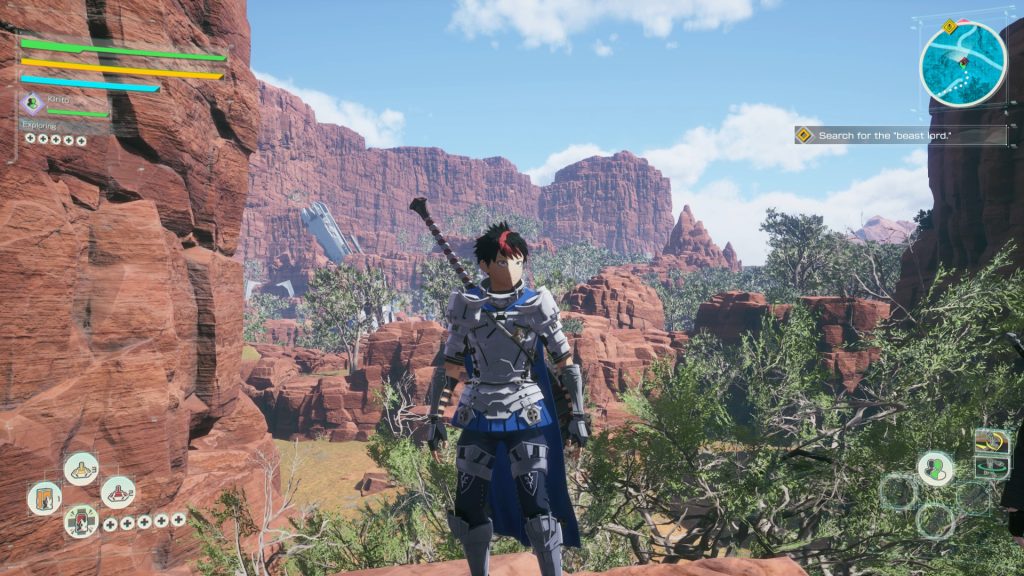
It looks a bit generic, maybe because it’s using Unreal Engine 5.
Sounds
As for the sounds, nothing really worth noting regarding the BGM. Everything sounds so generic, even the Battle. We couldn’t care less, as none of the background tracks truly hook me.
One thing that we can mention is that they were able to get Aimer to sing the theme song「Live to Survive」.
Securing Aimer for the theme song is a standout choice, and playing this track during one of the game’s pivotal boss encounters elevates the battle’s cinematic impact significantly
Additionally, the insert track 「Reach for the Rainbow」 performed by Leia Kato (Iori) and Rina (Lara) adds strong thematic flair. Both songs also feature prominently in the Unanswered//butterfly anime special
The Verdict:
Sword Art Online: Echoes of Aincrad delivers a surprisingly strong core combat loop and a smartly focused early-Aincrad narrative arc, proving that a localized story on Floors 1 and 2 can genuinely work. However, its brilliant action beats and impressive original character models are constantly held back by archaic user experience choices, unoptimized Unreal Engine 5 lighting, and an abrupt cliffhanger that leaves the narrative feeling incomplete.
- Engaging, Fast-Paced Combat: Heavy skill synergy, party combination attacks, and distinct weapon archetypes keep battle encounters dynamic.
- Solid Early-Game Scope: The Knights of Salvation original arc effectively justifies the two-floor structure without feeling like a cheap shortcut.
- Standout Character Models & Visuals: Expressive facial animations and high-tier original character designs shine during cutscenes and combat.
- Cinematic Soundtrack Highlights: Featuring Aimer's theme 『Live to Survive』 and dedicated character insert tracks that elevate key boss battles.
- Inflexible Town-Gated Systems: Restricting stat distribution and equipment swapping strictly to safe-zone chests actively disrupts dungeon momentum and contradicts SAO lore.
- Frustrating Exploration & Navigation: Unnecessarily massive maps, temporary directional line guides, and mandatory utility item limits inflate playtime with tedious backtracking.
- Pacing-Disruptive Dismemberment: Forced slow-motion camera cuts on heavy attack kills quickly become annoying during routine mob encounters.
- Unresolved Ending: Ends on a sharp cliffhanger that leaves core plotlines hanging for future DLC expansions or a full sequel.
If you are a die-hard SAO fan or an action-RPG enthusiast looking for flashy combat and tight companion mechanics, Echoes of Aincrad offers plenty of high-energy fun across its main campaign. Just be prepared to fight through clunky navigation systems, repetitive enemy reskins, and a story that stops right when it starts getting good.
We personally think that this game is still salvageable because they got the basics right (interesting premise, compelling cast of characters); they just need to stop overbloating the game and fix the pacing in upcoming DLC or a sequel.
Erhans finished the game in around 71 hours and already got the Platinum Trophy for the game.
The review code was provided by Bandai Namco Entertainment Asia for review purpose.
